
Plant Nursery Review: What to Look For Locally
A plant nursery review for Long Island homeowners: see how selection, plant care, seasonal color, and landscape expertise shape a better yard at home.
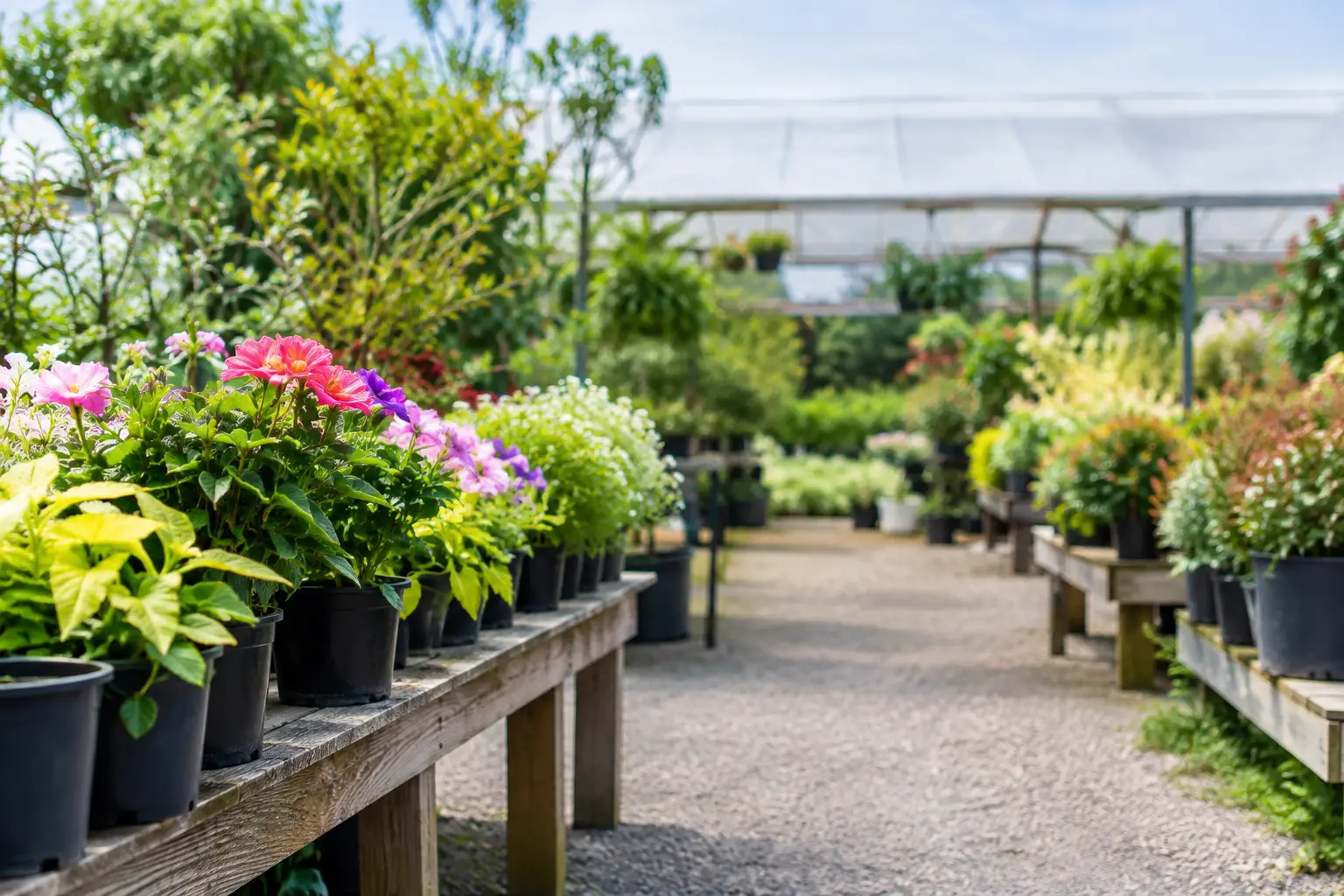
A useful plant nursery review starts before you load a single flat of flowers into the car. For Long Island homeowners, the right garden center should make a weekend planting project feel clear, well supplied, and worth the effort - whether you are refreshing front beds, growing tomatoes, choosing a houseplant, or planning the privacy your yard has been missing.
The best local nursery is not simply a place with plants on display. It is where plant quality, seasonal selection, practical guidance, and project support come together. That matters in Nassau County, where spring arrives in a rush, summer heat can test a new planting, and fall is one of the strongest seasons for trees, shrubs, and garden renewal.
What a Plant Nursery Review Should Really Measure
A nursery can look colorful and busy while still falling short on the things that affect your results at home. When you visit, look beyond the first table of blooms. Pay attention to whether the center offers enough variety for your particular space, how the plants are maintained, and whether the team can help you move from an idea to a planting plan.
Healthy inventory is the first sign. Annuals should be full and well watered, not stretched, wilted, or crowded in their containers. Perennials, shrubs, and trees should have sturdy growth and foliage that looks appropriate for the season. A few buds are welcome, but a plant covered in spent flowers may be closer to the end of its peak show than the beginning.
Selection matters just as much as condition. A homeowner shopping for a sunny mailbox bed needs different choices than someone working with a shaded patio or a poolside container that receives afternoon heat. A well-stocked nursery makes it easier to compare colors, textures, heights, and growth habits in person, rather than trying to guess from a small online image.
For many yards, the project is bigger than color. A strong nursery should also carry the building blocks of a lasting landscape: flowering shrubs, evergreens, specimen trees, privacy materials, and plants suited to borders and foundation beds. That range saves time and helps a property feel coordinated instead of pieced together over several separate shopping trips.
Plant Selection for Every Season and Space
The most helpful garden centers change with the calendar. In early spring, homeowners often come in looking for pansies, flowering bulbs, cool-season herbs, and the first fresh color for containers. As temperatures settle, the focus shifts to annuals, hanging baskets, vegetable plants, tropicals, and patio-ready combinations.
Summer shopping is about keeping the property looking alive when the heat is on. Bright annuals, palms, flowering tropicals, and houseplants can add impact quickly, while herbs and vegetable plants bring something useful to the backyard. If you are planting containers, look for a mix of upright flowers, trailing plants, and foliage with different textures. The result has more depth than a pot filled with one variety alone.
Fall should not be treated as an afterthought. It is a prime time to add mums, ornamental accents, and seasonal decorating touches, but it is also an excellent window for shrubs and trees. Cooler conditions can be easier on new root systems, provided plants receive consistent watering. A nursery that carries seasonal color alongside structural landscape plants gives you options for both immediate curb appeal and long-term growth.
Winter brings a different kind of garden-center visit. Holiday décor, greenery, firewood, propane exchange, and gift-ready floral arrangements make the local nursery useful even when the beds are resting. That year-round relevance is part of what makes a neighborhood center more convenient than a one-season stop.
Privacy Plants Need More Than a Quick Pick
Privacy hedges are one area where selection and guidance have real consequences. Arborvitaes, Green Giants, Leyland cypress, and skip laurels can all create screening, but they are not interchangeable. Mature size, light exposure, spacing, soil drainage, and the amount of room available between properties all influence the right choice.
A fast-growing plant may sound ideal, but it can become a maintenance problem if it outgrows the space. A dense evergreen can provide a strong visual barrier, but it needs enough width to develop without being forced against a fence or walkway. Before buying, measure the planting line and think about the height you want in five to 10 years, not only the height you see on the sales floor.
For larger hedge projects, it helps to work with a nursery that understands both the retail side and the installation side. Westminster Nursery brings decades of local landscape experience to the plant-shopping process, which can make a major property improvement feel more manageable from the first measurement to the finished planting.
A Good Nursery Helps You Buy for Your Conditions
Plants are not decorations that work the same way in every location. Sun exposure is the starting point. Track how many hours of direct sun the site receives, and notice whether that sun is gentle morning light or intense afternoon exposure. Soil that stays wet after rain needs different plant choices than a dry bed beside a driveway.
Bring a few details with you when you shop: photos of the area, rough measurements, and an idea of what you want the space to do. Maybe the goal is a welcoming front entrance, a low-maintenance foundation planting, pollinator color near the patio, or screening between homes. Those details give nursery staff a better starting point than simply asking for something that looks nice.
It also pays to be honest about upkeep. Some homeowners enjoy deadheading, pruning, feeding containers, and switching seasonal displays. Others want plants that hold their shape with fewer regular tasks. Neither approach is wrong, but the purchase should match the time you realistically want to spend outdoors.
Questions Worth Asking Before You Check Out
The most useful questions are specific. Ask how large a plant will get, how far apart it should be planted, and what kind of light it needs. For perennials and shrubs, ask whether the plant returns each year and when it typically blooms. For trees and evergreens, ask about watering through the first growing season and whether deer pressure is a concern in your area.
If you are buying several plants for one bed, ask about the full arrangement rather than evaluating each pot alone. A nursery team can help you avoid putting tall growers in front, crowding plants that need air circulation, or mixing varieties with sharply different water needs. Those small adjustments often make the difference between a planting that fills in beautifully and one that struggles by midsummer.
When Retail Shopping Should Become a Landscape Plan
There is a point where individual plant purchases stop being the best solution. If you are reworking a front yard, installing a privacy border, rebuilding planting beds, or updating a commercial property, a professional design and installation plan can prevent expensive guesswork.
Landscape support is especially valuable when the project involves grading, drainage, mature trees, coordinated hardscape features, or a long planting list. It helps create a plan with proportion, seasonal interest, and enough room for plants to mature. For property owners who want the finished look without managing every detail, ongoing landscape maintenance keeps that investment looking cared for through the changing seasons.
That does not mean every project needs a full redesign. A well-run nursery should work for both types of customer: the homeowner choosing a few herbs for the kitchen garden and the family ready to transform the whole backyard. The advantage is having knowledgeable help available when a simple weekend refresh turns into a larger vision.
Make Your Next Nursery Visit Count
Shop with a purpose, but leave room for inspiration. Start with the space you need to improve, then explore the seasonal displays, houseplants, flowering options, trees, shrubs, and garden essentials that fit it. Check plants carefully, ask direct questions, and choose varieties that suit your yard rather than forcing your yard to suit a plant.
A great local nursery visit should send you home with more than a cart full of color. It should give you the confidence to put each plant in the right place, care for it through the season, and enjoy a property that feels more welcoming every time you pull into the driveway.