
Landscape Design Build Maintenance That Lasts
Landscape design build maintenance for Long Island homes and businesses, with thoughtful planting, lasting materials, and dependable year-round care.
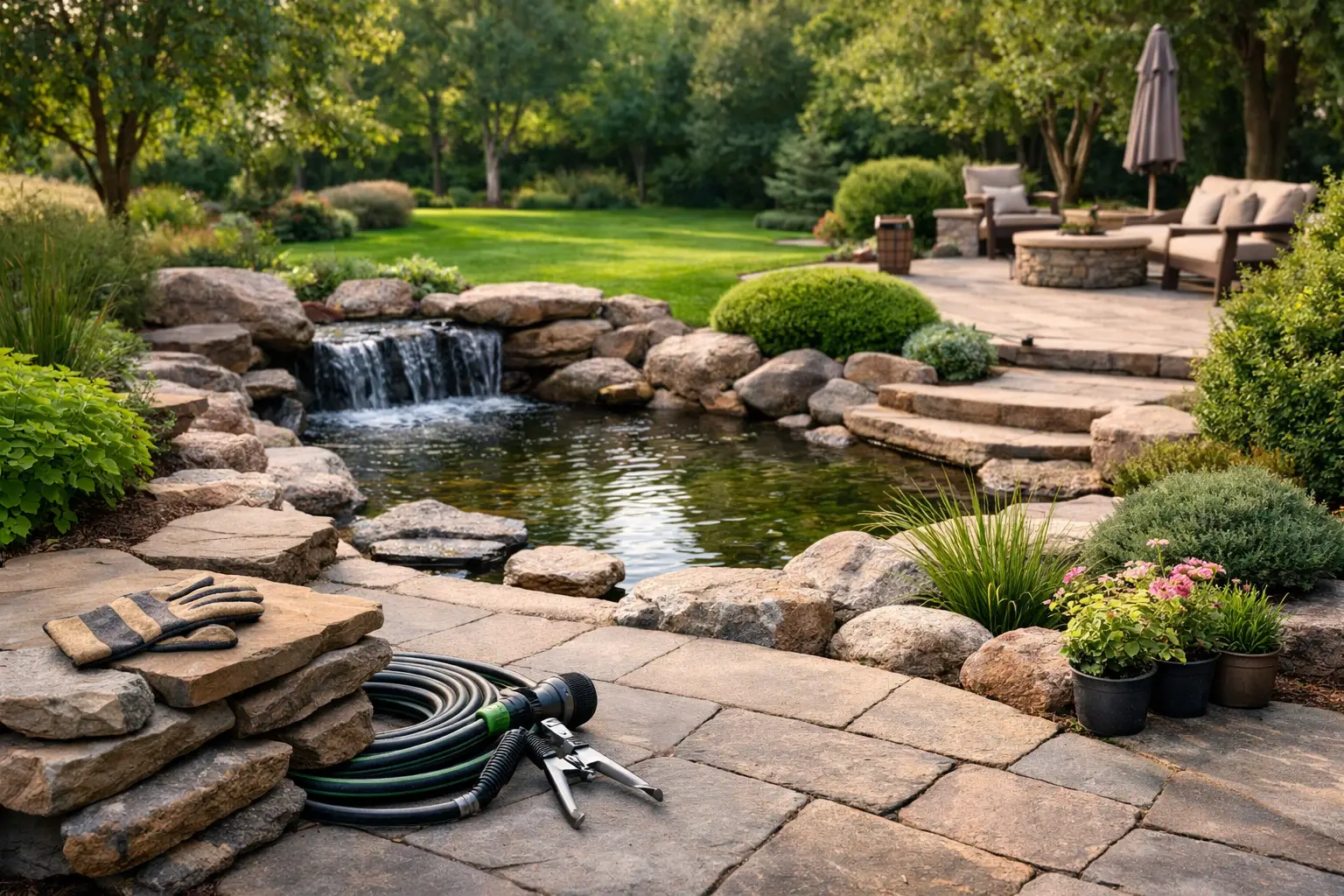
A new front walk can look finished in a day. A privacy screen can fill in beautifully by summer. But the outdoor spaces that keep adding value to a Long Island property are planned for what happens next. Landscape design build maintenance brings the layout, installation, and seasonal care together, so each part of the property has a purpose and the finished work has the attention it needs to mature well.
For homeowners in West Hempstead and across Nassau County, that matters. Our weather asks a lot of plants, lawns, patios, drainage systems, and outdoor living areas. Hot stretches, heavy rain, winter freezes, salt exposure, and shady pockets around mature trees all affect what will perform well. The right plan is not just about making a property look good on installation day. It is about choosing the right materials, plant varieties, and maintenance approach for the seasons ahead.
Landscape Design Build Maintenance Starts With a Real Plan
Every successful landscape begins with a close look at the property. Where does water collect after rain? Which areas receive full sun, and which stay shaded? Is the goal stronger curb appeal, a more private backyard, a welcoming entry, a safer commercial property, or a place to gather outdoors? These questions guide decisions that are difficult and expensive to change later.
A thoughtful design considers circulation as much as color. A walkway should lead naturally from the driveway to the front door. Beds should frame the home without swallowing windows or crowding access. A patio should have enough usable space for the way your family actually entertains, rather than looking oversized or undersized once furniture arrives.
Plant selection deserves the same level of attention. Annual color creates immediate impact near an entry, pool, or outdoor seating area, while perennials, flowering shrubs, evergreens, and ornamental trees give the landscape structure through the year. The strongest designs layer these elements so there is something to enjoy in spring, summer, fall, and winter.
Privacy is often a major priority for Long Island homes. Arborvitaes, Green Giants, Leyland cypress, and skip laurels can create an effective living screen, but they are not interchangeable. Available width, sunlight, soil conditions, mature size, and the desired level of upkeep all influence the right choice. A hedge planted too tightly may look full at first, then struggle as it grows. A plan that allows for mature growth protects the investment.
Build the Foundation Before Adding the Finishing Touches
Landscape construction is where a drawing becomes a usable outdoor space. This can include grading, drainage improvements, walkways, patios, retaining walls, planting beds, sod, specimen trees, privacy hedges, and outdoor features that make the property easier to enjoy. Quality installation is especially important below the surface, where most of the work is not visible once the project is complete.
Hardscape projects depend on proper base preparation, grading, and water management. A beautiful paver patio can shift or settle if the base is not built correctly. Similarly, a planting bed needs well-defined edges, suitable soil preparation, and enough room for roots to establish. Details like these are what separate a quick visual change from a project designed for years of use.
There are trade-offs to consider. Natural stone can offer a distinctive, timeless appearance, while pavers provide a broad range of colors and patterns and can be practical for many applications. A large tree creates instant scale, but it requires a bigger initial commitment and careful placement. Smaller plant material takes patience, yet it can establish well when given proper care. The best answer depends on the property, the budget, and how soon the space needs to be ready.
A professional build also keeps the project coordinated. Rather than selecting plants after surfaces are already in place, the layout, materials, and planting scheme work together from the start. That creates cleaner transitions between lawn, beds, walkways, and gathering areas, while helping prevent crowded planting or awkward unused space.
Maintenance Protects What You Built
Landscapes change quickly. Shrubs grow beyond their original size, seasonal flowers fade, mulch breaks down, lawns respond to weather, and weeds take advantage of any open space. Ongoing maintenance is not an afterthought. It is the service that protects the health, appearance, and function of the landscape after installation.
For a residential property, regular care may focus on lawn cutting, bed cleanup, pruning, mulching, seasonal color, and monitoring the health of trees and shrubs. For commercial properties, consistent maintenance also supports a polished first impression for customers, tenants, employees, and visitors. Entrances, parking areas, foundation beds, and common spaces need to look intentional throughout the season.
Timing makes a difference. Spring is the time to clear winter debris, refresh beds, assess plants, and introduce early color. Summer care focuses on mowing, watering needs, weeding, deadheading, and keeping planting beds tidy during periods of heat. Fall is ideal for cleanup, seasonal plantings, and preparing trees, shrubs, and beds for colder weather. Each season has its own priorities, and skipping them can lead to larger corrections later.
Pruning is a good example of why experience matters. Some shrubs benefit from shaping at specific times, while others can lose flowers or become stressed if cut back at the wrong point in their growth cycle. The goal is not to make every plant look identical. It is to maintain healthy growth, preserve the intended form, and keep plants from blocking windows, paths, or sightlines.
Make Seasonal Color Part of the Property’s Appeal
One of the simplest ways to keep a landscape feeling current is to change the color story through the year. Spring annuals bring fresh energy to front beds and containers. Summer planting can be bolder and more vibrant around patios, pools, and entryways. Fall arrangements, mums, ornamental grasses, and seasonal accents create warmth as the weather changes.
Containers are particularly useful for homeowners who want high-impact color without redesigning an entire bed. They can soften an entry, define a patio, or create a welcoming focal point near a driveway. The key is matching the container planting to the available light and making sure it receives consistent watering and attention during hot weather.
Seasonal updates also make practical sense for businesses. A maintained entry with fresh color signals that the property is cared for before anyone walks through the door. It is a small visual detail with a meaningful effect on curb appeal.
Choose One Team for the Full Outdoor Picture
Working with a single local resource for plants, design, installation, and ongoing care makes outdoor improvements easier to manage. The people planning the beds understand the plant material going into them. The team maintaining the property understands the design intent, the drainage considerations, and the growth expectations established at installation.
Westminster Nursery brings that full-property perspective to homes and businesses throughout the area. From selecting colorful annuals and long-lasting perennials to installing trees, shrubs, privacy material, patios, and planting beds, the goal is to create a landscape that feels right for the property and stays that way with regular care.
Before beginning a project, take a walk around your property and notice what is not working. Maybe the entry lacks definition, the backyard needs privacy, a patio feels disconnected from the rest of the yard, or older shrubs have outgrown their space. Those observations are the start of a better plan. With thoughtful design, skilled building, and dependable maintenance, the next season can be the one your outdoor space finally starts working as hard as it looks.