
Skip Laurel vs Leyland: Which Hedge Fits?
Skip laurel vs leyland comes down to sun, space, speed, and upkeep. Here's how Long Island homeowners can choose the right privacy hedge.
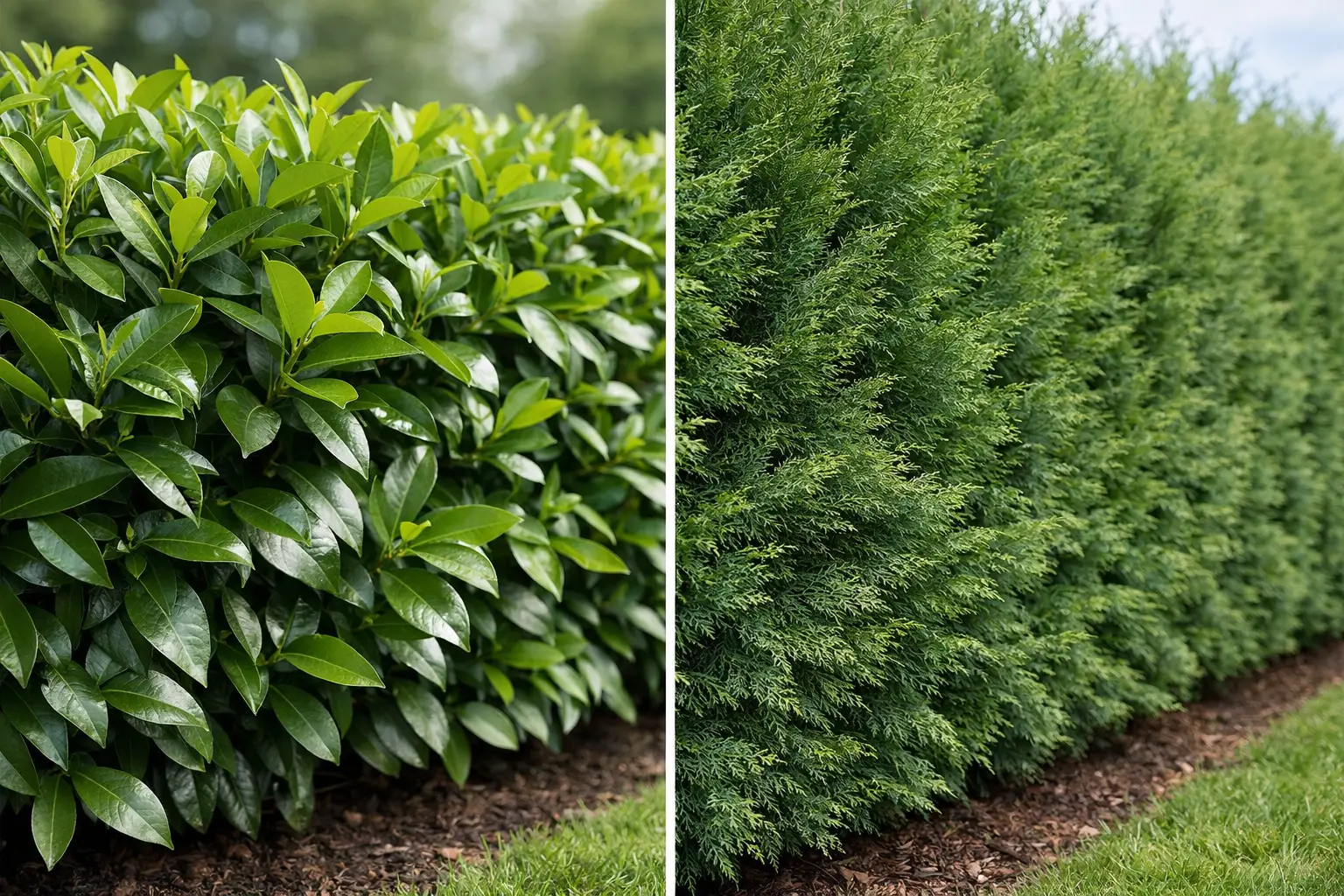
If you want privacy fast, the skip laurel vs leyland question usually comes up right away. Both are popular screening plants, both can create a strong green wall, and both can make a backyard feel more finished. But they do not behave the same way once they are in the ground, especially on Long Island where wind, salt, winter weather, and tight property lines all matter.
For many homeowners, this choice is less about which plant is better and more about which plant fits the space you actually have. A hedge that looks great on planting day can become a headache a few years later if it outgrows the area, struggles with site conditions, or needs more trimming than expected. That is why it helps to compare them in real-world terms, not just by reading a plant tag.
Skip laurel vs leyland at a glance
Skip laurel is a broadleaf evergreen with glossy dark green leaves and a dense, full habit. It tends to look lush and substantial, which is one reason homeowners like it for privacy near patios, pools, and property edges where they want screening that feels refined, not overly formal.
Leyland cypress is a fast-growing evergreen conifer with a softer, feathery texture. It is often chosen when the main goal is quick coverage. If you have a larger yard and need a visual barrier sooner rather than later, Leyland gets attention for good reason.
The biggest difference is the kind of hedge they create. Skip laurel gives you a broadleaf look with heavier foliage and a more traditional shrub feel. Leyland creates a taller, more towering evergreen screen with a lighter texture. Both can work beautifully, but they suit different spaces.
Growth rate and mature size
This is where many planting decisions are won or lost.
Leyland is known for speed. It can put on substantial growth each year, which makes it attractive if you are trying to block a neighboring view quickly. That fast pace, though, comes with a trade-off. It can become very large if you do not stay ahead of pruning, and in smaller suburban lots that matters.
Skip laurel also grows well, but it is typically more moderate and easier to manage long term. It still forms an effective privacy screen, just not with the same race-to-the-sky pace as Leyland. For homeowners who want screening without committing to constant size control, skip laurel often feels more realistic.
On Long Island, where many homes are closer together and outdoor space is valuable, mature width is just as important as height. A Leyland planted too close to a fence, driveway, or house can create future crowding. Skip laurel usually offers more flexibility in tighter spaces.
If you want privacy quickly
Leyland often wins on speed.
If you want easier long-term control
Skip laurel usually has the edge.
Sun, shade, and exposure
Light conditions can point you toward the right plant almost immediately.
Skip laurel handles partial shade better than Leyland. If the planting area gets morning sun but afternoon shade, or sits along a side yard that never feels fully bright, skip laurel is often the safer choice. It is a strong option for homes where mature trees or neighboring structures limit direct sun.
Leyland prefers full sun and tends to perform best when it has plenty of light and room for air movement. In open areas with strong sun exposure, it can establish quickly and build height fast. If your property is wide open and bright, Leyland may fit naturally.
Wind and salt exposure also matter near parts of Nassau County and the broader Long Island area. Protected planting sites are always easier, but if a hedge location gets harsh winter wind or road salt, the exact placement and maintenance plan become important. A great plant in the wrong microclimate can still struggle.
Appearance and overall style
A privacy hedge does a lot of visual work, so texture matters more than people expect.
Skip laurel has a fuller, richer look up close. The broad leaves reflect light well, and the plant tends to feel substantial in foundation beds and backyard borders. It can look polished without feeling stiff. That makes it a good fit for homeowners who want privacy and curb appeal at the same time.
Leyland brings a more classic evergreen screen effect. Its fine texture works well when you want a tall backdrop behind lawn areas, patios, or larger planting beds. From a distance, it can create a strong visual boundary. Up close, though, it reads differently than skip laurel - softer in texture, but less leafy and less shrub-like.
If your landscape includes mixed shrubs, flowering plants, and layered foundation beds, skip laurel often blends more easily. If your goal is a bigger vertical green wall along a rear property line, Leyland may feel more in character.
Maintenance and pruning
Neither plant is maintenance-free, and this is where honest expectations help.
Leyland needs regular attention if you want to keep it within bounds. Because it grows quickly, missing a pruning window can leave you chasing size instead of shaping the plant. In larger properties that may be manageable. In smaller yards, that can turn into more work than expected.
Skip laurel usually responds well to pruning and is easier to keep in a dense, controlled hedge form. It still needs care, especially as it fills in, but it is often more forgiving for homeowners who want a neat screen without aggressive yearly cutbacks.
Watering during establishment matters for both. New hedge plantings need consistent attention early on, and proper spacing matters just as much as the plants themselves. Cramming them too tightly for instant fullness can create problems later with airflow, crowding, and uneven growth.
Which hedge works better for Long Island homes?
In the skip laurel vs leyland debate, local property conditions often decide the answer.
For many Long Island homes, skip laurel makes sense where yards are moderate in size, neighboring homes are close, and homeowners want a dense evergreen screen with a polished look. It is especially appealing when the planting area gets some shade or when a broadleaf texture better suits the rest of the landscape.
Leyland can be a strong choice for larger properties, open sunny sites, and homeowners who want height quickly. It shines when there is enough room to let it develop properly and enough commitment to keep it maintained over time.
This is also where professional layout matters. The same hedge can succeed or struggle depending on spacing, soil preparation, drainage, and how close it is planted to hardscaping. A beautiful privacy row starts with the right match between plant and site, not just the right species name.
When skip laurel is the better pick
Skip laurel is often the better choice if you want a dense screen with a more upscale shrub appearance, if your planting area gets part shade, or if you need a hedge that is easier to manage on a typical residential lot. It is also a smart option when you want privacy near living spaces where the appearance of the foliage really matters.
Homeowners who like a full green backdrop around patios, pool areas, and side-yard buffers often gravitate toward skip laurel for exactly that reason. It feels finished.
When Leyland is the better pick
Leyland is often the better choice if speed is the priority, if the site gets full sun, and if the property has enough room to support a larger evergreen screen. It is especially useful when the goal is to soften a rear property line or build a taller visual barrier across a broader space.
For bigger landscapes, that fast-growing habit can be a real advantage. You simply want to go into it with a plan for future size, not just first-year growth.
The best choice is the one that fits your yard now
A privacy hedge should solve a problem, add value to the property, and still make sense five years from now. That is why the skip laurel vs leyland decision works best when you think beyond speed alone. Sun exposure, available width, desired look, and upkeep all count.
At Westminster Nursery, homeowners across Nassau County and Long Island shop privacy hedge material with those exact concerns in mind. Seeing plant sizes in person and matching them to your space can make the decision much easier.
If you are choosing between these two evergreens, think about how much room you really have, how quickly you want coverage, and how involved you want to be with pruning. The right hedge should feel like a smart fit from day one and an even better one as it grows.