
Annuals vs Perennials Difference Explained
Learn the annuals vs perennials difference, how each grows on Long Island, and which flowers fit your yard, containers, and seasonal color goals.
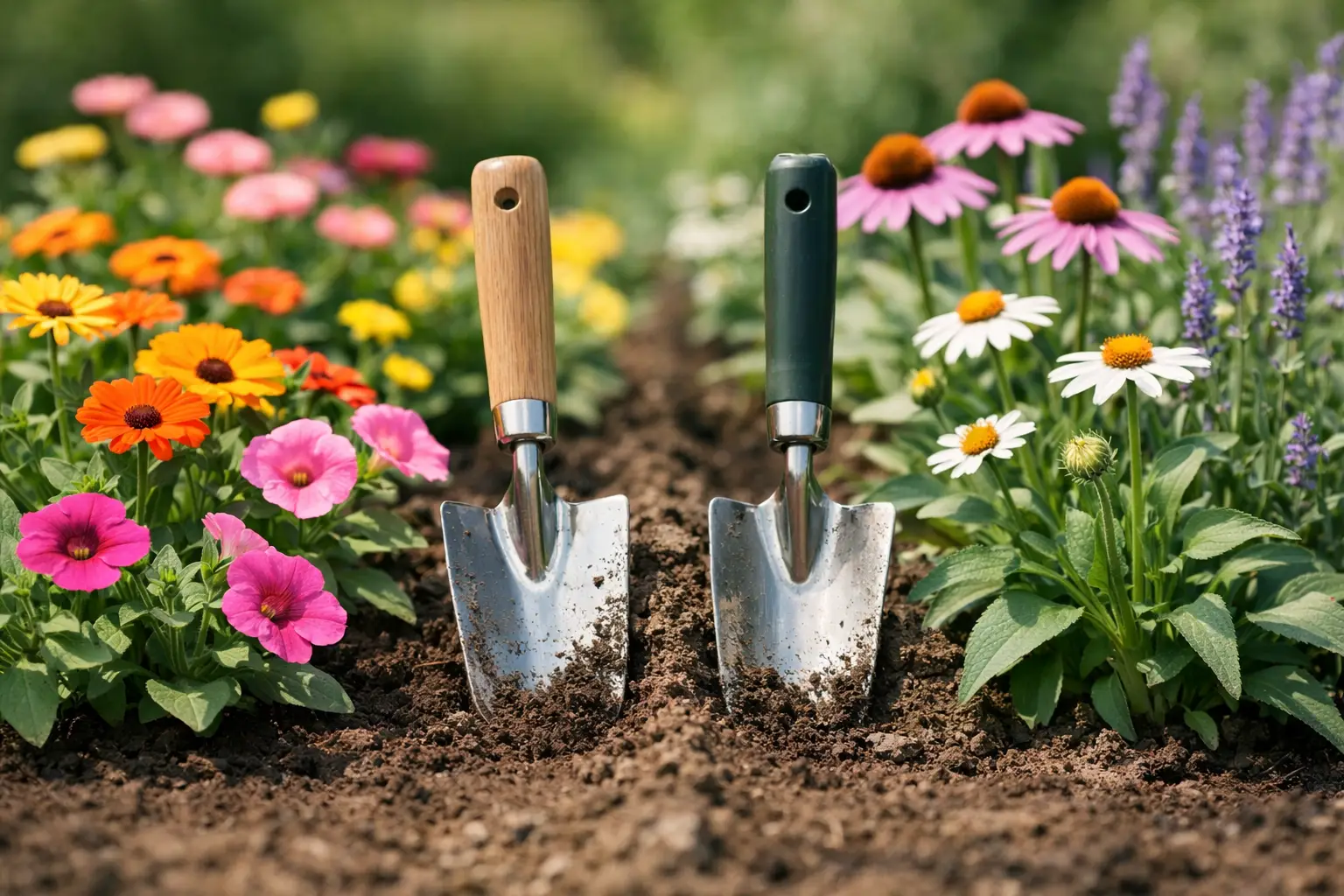
If you have ever stood in front of a bench full of bright flowers and wondered what you are really buying, the annuals vs perennials difference is the first thing to understand. It affects how long your plants last, how much replanting you will do, what your beds look like in July, and how your yard comes back each spring on Long Island.
For many Nassau County homeowners, this is where garden planning gets easier. Once you know which plants are meant for one strong season and which ones return year after year, you can shop smarter, build better curb appeal, and avoid that frustrating feeling of planting something beautiful only to realize it was never meant to last past fall.
What is the annuals vs perennials difference?
The simplest annuals vs perennials difference comes down to life cycle. Annuals complete their full life cycle in one growing season. You plant them, enjoy their color, and when the season ends, they are done. Perennials come back for multiple years, growing again from the same root system when conditions are right.
That sounds simple, but in real gardens it can be a little more nuanced. Some annuals bloom nonstop and put on a bigger color show than many perennials. Some perennials bloom for a shorter window but reward you with long-term structure and return. And on Long Island, weather, winter hardiness, sun exposure, and drainage all play a role in how well either type performs.
Why annuals are so popular in Long Island gardens
Annuals are hard to beat when you want instant impact. If your front porch needs color for spring, your backyard containers look tired, or your foundation beds need a refresh before a graduation party or summer gathering, annuals give you fast results.
They are popular because they bloom heavily and keep going. Impatiens, petunias, marigolds, geraniums, begonias, calibrachoa, lantana, and vinca all bring strong seasonal color. In hanging baskets, patio pots, window boxes, and entrance planters, annuals do a lot of visual work in a short amount of time.
For homeowners who like to switch things up each season, annuals also offer flexibility. You can change your color palette every spring. You can go bold with reds and pinks one year, then soften things with whites, blues, and purples the next. If you treat your garden like part landscaping and part seasonal decorating, annuals make that easy.
The trade-off is maintenance and replacement. Because annuals are meant for one season, you will replant them each year. Many also need regular watering, especially in containers during hot Long Island stretches. Some benefit from deadheading and feeding if you want them to keep blooming at their best.
Why perennials matter for long-term landscape value
Perennials bring staying power. Instead of starting from scratch every season, you build a garden that returns and matures over time. That is a major advantage if you want your landscape to feel established rather than temporary.
Popular perennial choices for this region include coneflower, black-eyed Susan, salvia, coreopsis, daylilies, hosta, lavender, and shasta daisy. These plants can anchor beds, soften walkways, and create dependable garden areas that come back each year with less replanting.
Perennials are especially useful when you are thinking beyond one season of color. They help create the backbone of a landscape. Even when they are not in bloom, many provide texture, foliage contrast, or a clean clumping habit that gives beds a finished look.
That said, perennials are not always the best answer for homeowners who want nonstop flower power from May through October. Many bloom in waves or for a limited period. You may get a strong show in early summer, then mostly foliage. That is not a problem if your landscape is layered well, but it surprises people who expect every perennial to flower like a basket of petunias.
Annuals vs perennials difference in real garden use
This is where the choice becomes practical. If you want a colorful container by the front door right now, annuals usually make more sense. If you want a border that fills in better every year, perennials are often the better investment.
For foundation beds, many homeowners get the best result by combining both. Perennials create the structure, while annuals fill gaps and add fresh seasonal color. That mix gives you a yard that feels stable but never flat.
For small spaces, annuals can do more with less room because they bloom hard and fast. For larger properties, perennials help keep planting costs and labor more manageable over time. If you are landscaping around a patio, pool, mailbox, or front walk, the right blend depends on whether you prioritize immediate impact, long-term growth, or a balance of both.
How climate affects the choice on Long Island
Long Island gardeners deal with hot summer stretches, coastal weather patterns, changing spring temperatures, and winters that can be tough on plants that are not suited for the region. That means plant selection matters just as much as plant type.
An annual is generally grown here for one season, even if that same plant behaves differently in warmer climates. A perennial has to be winter-hardy enough to return reliably in this area. Good drainage matters too. A perennial that dislikes wet winter soil may struggle even if it is technically hardy.
Sun exposure is another big factor. Full-sun annuals like petunias and lantana can perform beautifully in bright spaces, while shade annuals such as impatiens and begonias are better for covered porches or darker beds. Perennials also vary widely. Hosta can thrive in shade, while coneflower and salvia want stronger sun.
So when customers ask whether annuals or perennials are better, the honest answer is that it depends on the spot, the season, and the result you want.
Which is easier to maintain?
There is no one-size-fits-all answer here either. Annuals often need more frequent watering and seasonal replacement, but they are straightforward. You plant them, feed them, keep them watered, and enjoy the show.
Perennials reduce yearly replanting, but they may need dividing, pruning, cleanup, and patience while they establish. Some perennials look modest in year one and get much better in year two or three. If you want the garden to look finished right away, annuals often feel easier. If you are willing to think a little longer term, perennials can be more efficient over time.
For busy homeowners, containers of annuals near entryways and a perennial base in the landscape often create the most manageable mix. You get seasonal color where people notice it most and dependable plantings in the bigger bed spaces.
How to choose the right plants for your property
Start with how you actually use your outdoor space. If your goal is strong curb appeal from spring through early fall, annuals should be part of the plan. If you want your beds to build value over time, perennials should be in the mix.
Then look at your light conditions. A sunny front yard can support a very different planting plan than a shaded backyard. Next, think about how much upkeep you want to handle. There is nothing wrong with wanting low fuss. There is also nothing wrong with loving the ritual of refreshing planters every season.
It also helps to think in layers. Use perennials to establish shape and rhythm. Add annuals where you want bright color, seasonal updates, or a polished finish around entrances, patios, and entertaining areas. That approach gives you flexibility without leaving the whole yard dependent on replanting.
For homeowners planning a larger refresh, this is also where local guidance matters. At Westminster Nursery, many customers come in asking for color, then realize they also want plantings that keep the property looking full beyond one season. Choosing from a broad selection of annuals, perennials, hanging baskets, shrubs, and landscape-ready material makes it easier to build a yard that looks good now and keeps working later.
The best answer is usually both
When people search for the annuals vs perennials difference, they are often expecting a simple winner. In practice, the strongest landscapes rarely choose just one. Annuals give you energy, flexibility, and immediate color. Perennials give you consistency, structure, and long-term return.
A porch full of annuals can make your home feel ready for the season in a single afternoon. A well-planned perennial bed can make the whole property feel more established every year. Put them together, and you get a landscape that feels alive, cared for, and ready for whatever the season brings.
If you are choosing plants this season, think less about which category is better and more about what job each plant needs to do. That shift is usually what turns a nice planting into a yard you enjoy coming home to.