
How to Maintain Garden Beds Every Season
Get tips on how to maintain garden beds on Long Island with practical watering, weeding, mulching, pruning, and seasonal cleanup for lasting outdoor color.
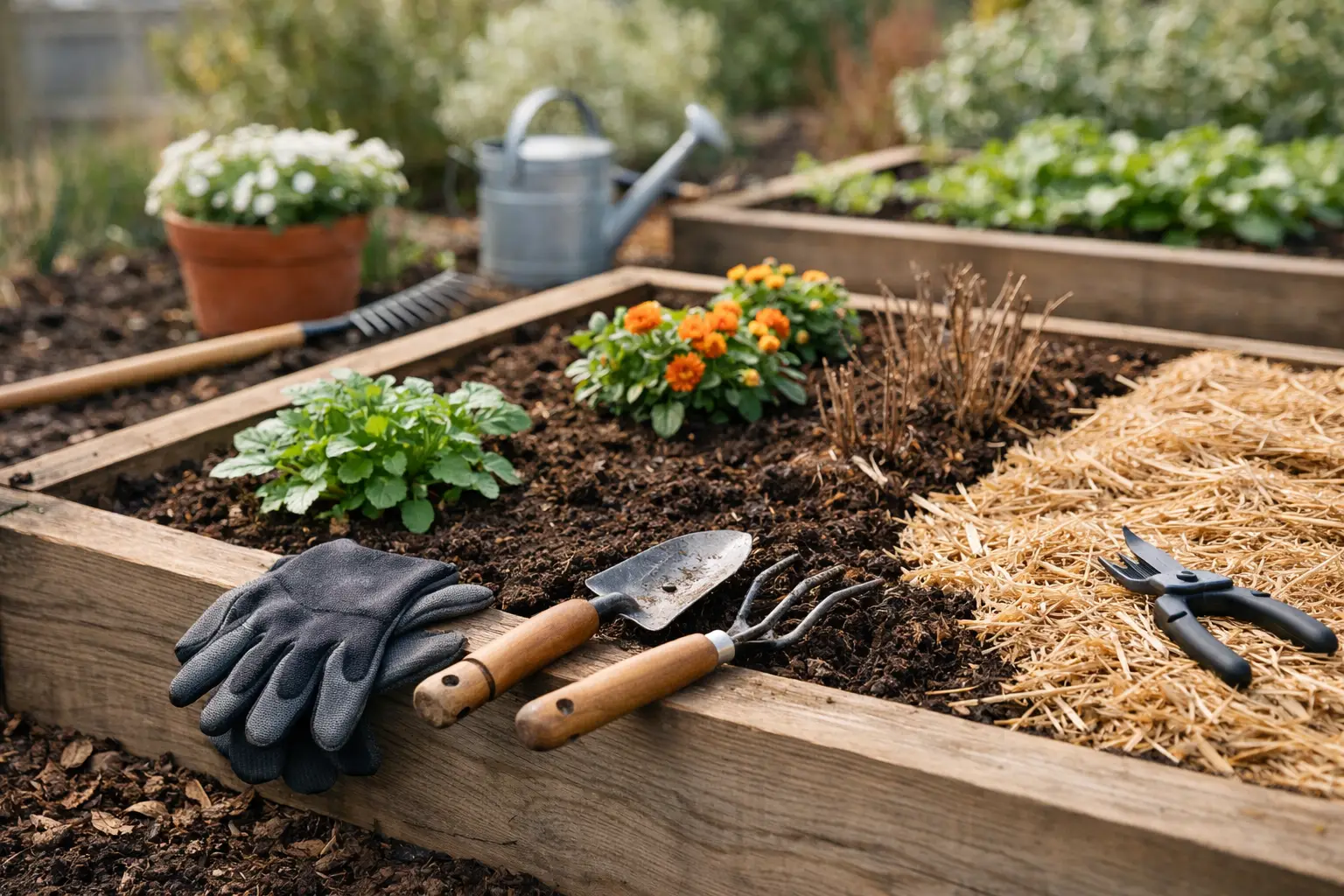
A garden bed rarely falls apart all at once. More often, it slowly loses its edge: mulch thins out, weeds get a foothold, flowering plants become overcrowded, and dry soil leaves leaves looking tired by late July. A little attention at the right times keeps that from happening. Knowing how to maintain garden beds gives Long Island homeowners a more colorful, polished yard without turning every weekend into a major project.
The goal is not to make every bed look rigid or perfectly bare. Healthy beds have room for plants to grow, soil that holds moisture without staying soggy, and a clean enough outline that the planting feels intentional. Your plant choices, sun exposure, soil type, and irrigation setup all affect the routine, but the fundamentals stay the same.
How to Maintain Garden Beds From Spring Through Fall
Garden bed maintenance works best when it is divided into small seasonal jobs. Waiting until weeds are tall, shrubs are overgrown, or mulch has disappeared means more work later. A quick weekly walk-through is usually enough to spot problems before they spread.
Start spring with a clean, open bed
In early spring, remove winter debris, fallen branches, and any matted leaves that are blocking new growth. Cut back dead perennial stems, but take a moment to identify what is emerging before pulling anything out. Many perennials are slow to wake up, especially after an unpredictable Long Island winter.
Check shrubs for winter damage and prune broken, dead, or crossing branches. Avoid giving every shrub a hard haircut at the same time. Spring-flowering favorites such as forsythia, lilac, and azalea generally should be pruned after they bloom, not before, or you may remove this season's flower buds.
Spring is also the right time to edge beds. A crisp edge between lawn and planting space instantly makes the landscape look cared for, and it limits grass from creeping into the bed. Use a spade or edging tool to redefine the line, then remove turf runners and weeds from the perimeter.
Feed the soil before plants need it
Garden beds perform better when the soil is improved gradually rather than heavily fertilized on a fixed schedule. Spread compost around established perennials, shrubs, and trees in spring, keeping it a few inches away from stems and trunks. Compost supports soil structure, encourages beneficial organisms, and helps sandy soil hold water.
Fertilizer has a place, particularly for annual color, vegetables, and plants showing a confirmed nutrient need. But more is not always better. Too much nitrogen can produce lots of green growth with fewer flowers, while excess fertilizer can stress roots and wash away during heavy rain. Choose a product appropriate for what you are growing, and follow the label rate.
If one section of the bed always struggles, do not assume it only needs more fertilizer. It may be getting too much shade, too little drainage, or competition from nearby tree roots. Matching plants to the site is often the most effective maintenance decision you can make.
Water Deeply, Then Protect the Soil
Frequent light watering encourages shallow roots, which leaves plants more vulnerable during hot, dry stretches. Instead, water deeply enough to moisten the root zone, then allow the soil surface to begin drying before watering again. Newly planted annuals, perennials, shrubs, and trees need closer attention while their roots establish. Mature plantings can usually handle longer intervals, depending on rainfall and soil conditions.
Early morning is the best time to water. It gives foliage time to dry and reduces the chance of fungal disease. Soaker hoses and drip irrigation are especially useful in packed beds because they place water near the roots rather than spraying sidewalks, mulch, and leaves.
Use your fingers or a hand trowel to check moisture below the surface. If the top inch looks dry but the soil beneath is cool and damp, wait. If the root zone is dry, water thoroughly. This simple check is more reliable than watering by the calendar.
Mulch with purpose, not volume
A 2- to 3-inch layer of mulch helps conserve moisture, moderate soil temperatures, and suppress weeds. It also gives beds a finished look that highlights plant color and structure. Shredded bark and other natural mulches work well around most ornamentals, while a lighter mulch may be more practical in vegetable or herb gardens.
Keep mulch pulled back from plant crowns, shrub stems, and tree trunks. Mulch piled against wood or stems traps moisture where it does not belong and can invite rot, pests, and disease. The goal is a neat blanket over the soil, not a mound around each plant.
Refresh mulch when it has broken down or become sparse, but do not automatically add a thick new layer every year. Check the depth first. Over-mulching can prevent water and oxygen from reaching the soil.
Stay Ahead of Weeds and Overgrowth
Weeding is easier when it is frequent and brief. Pull young weeds after a rain or watering, when the soil is loose and roots release more easily. Removing weeds before they flower and set seed is one of the most valuable habits for keeping future maintenance manageable.
Pay special attention to bed edges, open areas between new plantings, and spots under large shrubs. These are common places for weeds to establish. If a weed has a deep taproot or spreads through runners, remove as much of the root system as possible rather than simply breaking off the top growth.
As perennials mature, some will benefit from division. Clumps that have a bare center, reduced flowering, or flopping growth may be telling you they need more space. Divide suitable plants during their preferred season, replant healthy sections, and water them consistently while they settle in. Not every perennial needs dividing, so check the needs of the specific plant before digging.
Deadhead, prune, and support plants selectively
Deadheading spent blooms keeps annual containers and bedding plants looking fresh and can encourage more flowers on many varieties. For perennials, it depends. Some respond with another flush of blooms, while others offer attractive seed heads that feed birds or add winter interest. Leave plants that earn their place after flowering, and remove the ones that look untidy or begin setting unwanted seed.
Prune with a purpose. Remove dead, damaged, diseased, or poorly placed branches whenever you see them. Shape hedges and formal shrubs at appropriate times, but avoid cutting into old wood on plants that will not regrow from it. Fast-growing privacy screens such as arborvitae, Green Giant arborvitae, Leyland cypress, and skip laurel also benefit from regular, light shaping before they become too large to manage comfortably.
Tall perennials may need discreet stakes or plant supports before they flop. Installing supports early lets foliage hide them, which looks much better than trying to tie up a plant after it has collapsed in a summer storm.
Watch for Problems Before They Spread
During your weekly garden walk, look under leaves as well as on top of them. Yellowing foliage, chewed edges, spots, distorted new growth, and sudden wilting can signal a pest, disease, watering issue, or root problem. A diagnosis matters because the wrong treatment wastes time and can make the issue worse.
Start with the least disruptive fix. Improve air circulation by thinning crowded growth, remove diseased leaves, adjust watering practices, or hand-pick visible pests when practical. If treatment is needed, identify the plant and problem first so you can select the right option.
Keep an eye on deer activity as well. Deer browsing often appears as neatly clipped stems or missing buds, especially on tender new growth. Plant selection, physical protection, and timely deterrence can all be part of a practical strategy, depending on your property and local pressure.
Finish the Season Without Stripping the Bed Bare
Fall cleanup should make beds healthier, not sterile. Remove diseased foliage, heavily weeded material, fallen fruit, and annuals that have finished their display. Cut back plants that are prone to disease or that turn mushy over winter.
At the same time, consider leaving sturdy ornamental grasses, coneflower seed heads, sedum, and other plants with winter structure. They can add texture to a quiet landscape and provide habitat for beneficial wildlife. The best approach is a balance: clean enough to reduce disease and keep curb appeal strong, while leaving selected plants that still bring value after frost.
For homeowners who want a stronger seasonal refresh, Westminster Nursery can help with the plants, mulch, shrubs, and landscape guidance needed to keep beds looking full from early spring through fall. Bring in a photo of the area and note how many hours of sun it receives - a few details can make the next round of maintenance much easier.