
Indoor Plants That Make Every Room Feel Better
Find indoor plants for bright windows, low-light corners, desks, and gifts, plus practical care tips from a trusted Long Island garden center. Near You
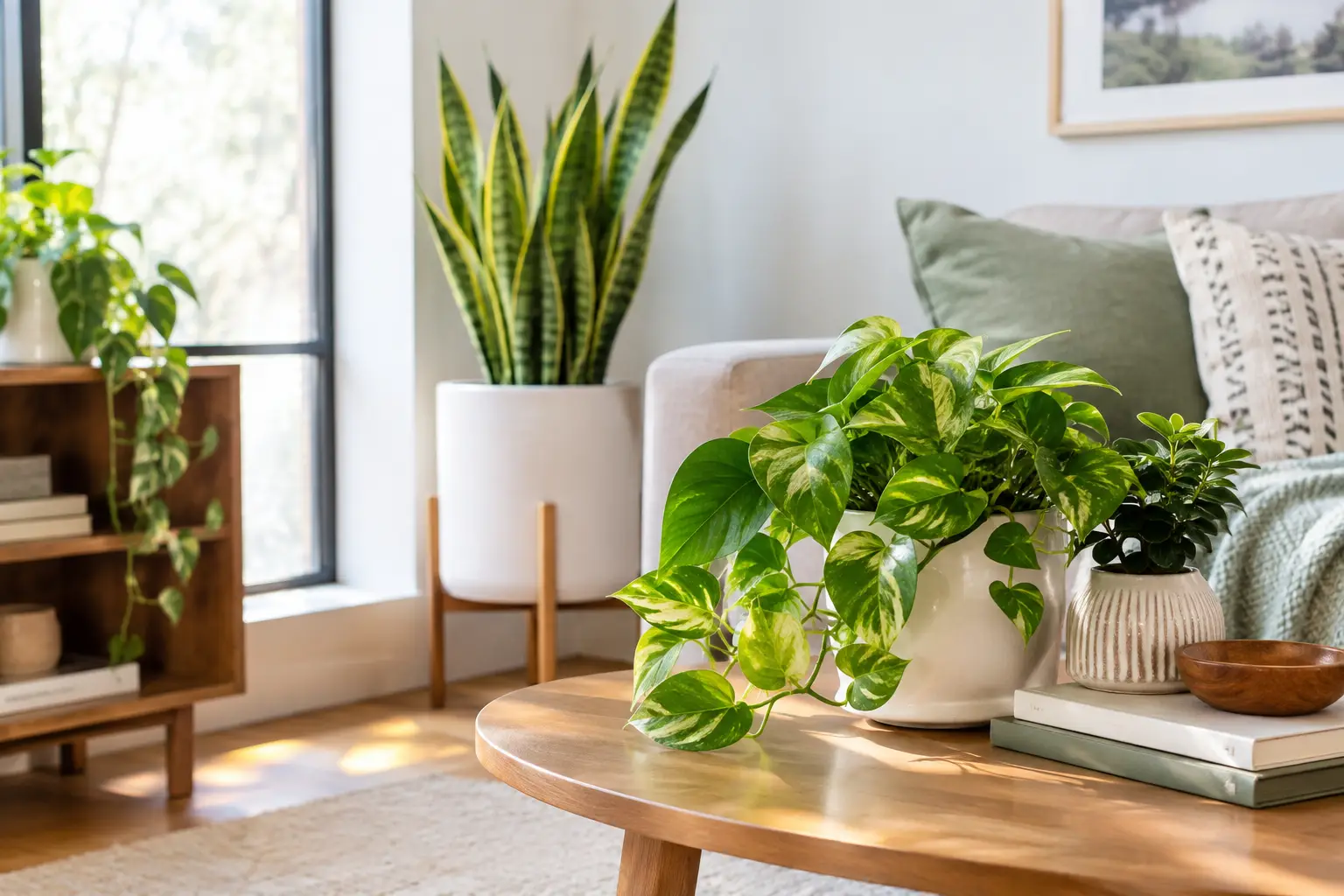
A bare corner beside the sofa, a sunny kitchen window, or a desk that needs a little life can change quickly with the right indoor plants. The best houseplants do more than fill space. They bring color, texture, and a sense of warmth to the rooms where Long Island families gather, work, cook, and relax.
At Westminster Nursery, choosing a plant is about finding the right fit for your home and your routine. Some plants thrive with bright morning sun and regular watering. Others are happy in a lower-light hallway and prefer a little neglect between waterings. Knowing the difference makes plant shopping easier and helps your new addition look great long after it comes home.
Indoor Plants Start With the Room
Before falling in love with a plant's leaves, take a close look at where it will live. Light is the first consideration. A bright room is not always a sunny room, and a window that looks sunny in summer may receive far less direct light in winter.
South- and west-facing windows generally provide the strongest light, making them a natural home for many tropicals, palms, and flowering houseplants. East-facing windows offer gentler morning light that works well for a broad range of foliage plants. North-facing rooms can still support greenery, but they call for varieties that tolerate lower light levels.
Also consider how close the plant will sit to the glass. A plant directly against a cold winter window or beside a heating vent can struggle, even if the light is right. Homes across Nassau County often have dry indoor air once the heat is running, so keep plants away from strong blasts of warm air whenever possible.
Match the Plant to Your Schedule
A beautiful plant should suit your lifestyle, not create another demanding chore. If you are often away on weekends, choose varieties with thicker leaves or stems that hold moisture well. Snake plants, ZZ plants, pothos, and many dracaenas are dependable choices for homeowners who want greenery without constant attention.
If you enjoy checking your plants regularly and have a sunny spot, tropical foliage and flowering plants can offer a more dramatic look. Peace lilies, anthuriums, orchids, and colorful crotons bring personality to a room, but they may ask for more consistent light, watering, or humidity.
For busy family spaces, look for sturdy plants with a strong upright form. A floor plant can anchor a living room, while a trailing pothos or philodendron can soften the edge of a bookshelf. Small plants in decorative containers make an easy finishing touch for a bathroom vanity, kitchen counter, or home office.
Choosing Indoor Plants by Light Level
There is no single “best” houseplant. The best option depends on the location, the look you want, and how much care you want to provide. Start with your light conditions, then choose a plant that gives you the shape and color you want.
Bright Light and Sunny Windows
Bright rooms open the door to bold plant choices. Bird of paradise, fiddle leaf fig, croton, hibiscus, and many palms make a strong statement near sunny windows. These varieties can become focal points in a dining room, entryway, or living space with good natural light.
Bright light can be intense, especially during the afternoon. Watch for scorched leaf edges or faded color, which may mean a plant needs to be pulled back from direct sun or softened by a sheer curtain. A little adjustment is often all it takes.
Medium and Indirect Light
Many of the most popular houseplants are comfortable in medium, indirect light. Philodendrons, pothos, monsteras, peace lilies, and dracaenas offer an easy mix of leafy texture and dependable performance. They work beautifully in rooms that receive daylight but do not get hours of direct sun.
This category is especially useful for homes with large windows set back from the main seating area. Place a plant several feet from the glass, then monitor how it responds over a few weeks. New growth is usually a good sign that the location is working.
Low-Light Corners
Low light does not mean no light. A room with a window, even one that receives limited sun, can support the right plants. Snake plants, ZZ plants, cast iron plants, and certain dracaenas are practical choices for hallways, bedrooms, offices, and corners that need a little green.
Plants in lower light grow more slowly and use water more slowly, too. That means overwatering is often a bigger issue than underwatering. Let the soil dry appropriately before watering again rather than following a fixed calendar.
How to Keep Houseplants Looking Their Best
Most indoor plant problems come down to water, light, and drainage. The good news is that all three are easy to manage once you know what to look for.
Water thoroughly enough that moisture reaches the root ball, then let excess water drain away. A decorative pot without drainage can be attractive, but it requires extra care. Keep the plant in a nursery pot with drainage inside the decorative container, and empty any standing water after watering. Roots sitting in water can lead to yellow leaves and decline.
Rather than watering every Sunday, test the soil with your finger. For many common houseplants, watering is appropriate when the top inch or two feels dry. Succulent-type plants and snake plants prefer to dry more deeply. Plants with thinner leaves often appreciate more regular moisture, though the exact schedule changes with light, room temperature, and season.
Dust is another small detail that makes a visible difference. Wipe broad leaves gently with a damp cloth or give suitable plants a light rinse. Clean leaves look better and can take in light more effectively. Turn plants every week or two if they lean toward a window, helping them grow more evenly.
When to Repot
A plant that dries out unusually fast, sends roots through the drainage holes, or seems crowded in its container may be ready for a larger pot. Move up only one pot size at a time. A container that is too large holds extra soil moisture around the roots, which can create problems for plants that prefer a tighter root zone.
Spring and early summer are often ideal times to repot because many plants are actively growing. Use a quality potting mix suited to the plant type, and avoid fertilizing immediately after a major repotting. Give the roots time to settle into their new space.
Make Indoor Greenery Part of Your Home Style
Houseplants work best when they feel intentional. A tall palm or bird of paradise can frame a sunny sliding door. A cluster of small foliage plants adds character to a console table. A hanging basket can bring greenery upward when floor space is limited.
Think about containers as part of the design. Clean white ceramic gives a fresh, modern look, while woven baskets add softness to family rooms and bedrooms. Dark containers can make variegated leaves stand out, and colorful pots bring seasonal energy to kitchens and sunrooms.
For gifting, indoor plants offer something lasting and personal. A flowering orchid, polished peace lily, or easy-care foliage plant can suit birthdays, housewarmings, thank-yous, and everyday celebrations. Pairing a plant with a container that matches the recipient's space makes the gift feel even more considered.
Find the Right Plant With Local Help
Photos can be useful for inspiration, but seeing a plant in person makes selection much easier. You can compare leaf color, plant size, fullness, and overall shape, then picture it in the room you have in mind. It is also the best time to ask practical questions about light, watering, pets, and placement.
Bring a photo of your space, note which direction the nearest window faces, and consider how much room the plant will have as it grows. With the right match, a simple plant purchase can become the detail that makes your home feel more finished, more welcoming, and more like your own.