
12 Best Indoor Plants for Low-Light Homes
Find the best indoor plants low light rooms can support, with easy care tips for healthy greenery in Long Island homes, apartments, and offices all year.
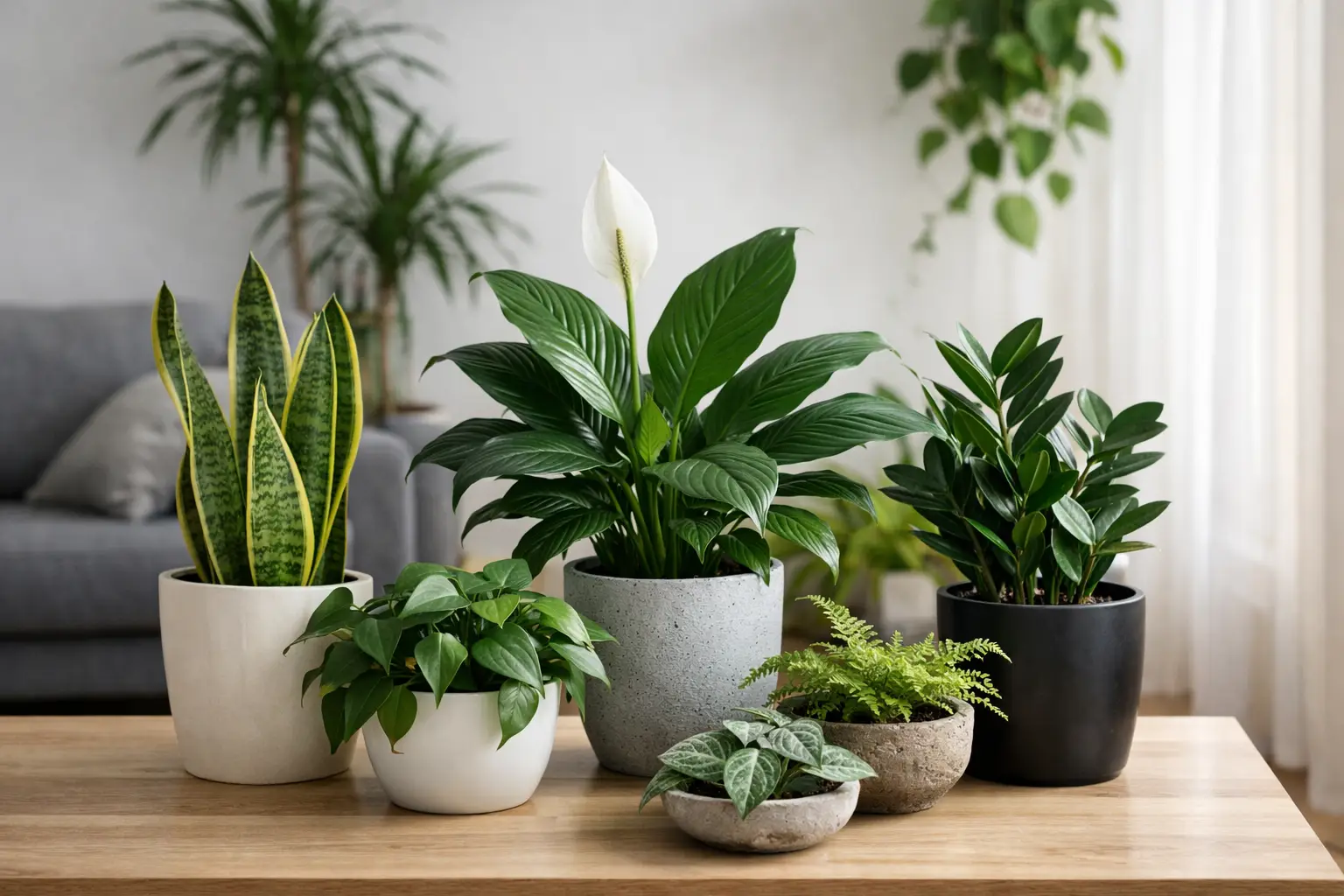
A bright window is not a requirement for a home filled with healthy greenery. The best indoor plants for low light can bring color, texture, and life to a hallway, office, bedroom, or apartment corner that gets little direct sun. For Long Island homeowners, they are also a practical way to enjoy tropical foliage through every season, even when winter days are short and skies stay gray.
Low light does not mean no light. Every plant needs some natural or artificial light to grow. It simply means the plant can tolerate a spot several feet from a window, a room with filtered light, or an area that receives indirect light for part of the day. Choosing the right plant for that setting makes care much easier.
The Best Indoor Plants for Low Light Rooms
Snake Plant
Snake plants are a favorite for busy households because their upright, architectural leaves make a statement without demanding constant attention. They handle low light well, although brighter indirect light will encourage quicker growth and stronger variegation.
Let the soil dry thoroughly between waterings. Overwatering is the most common reason snake plants struggle, especially in cooler rooms during fall and winter. Their narrow footprint also makes them a smart choice beside an entryway bench, in a bedroom corner, or on either side of a media console.
ZZ Plant
The ZZ plant is built for rooms where other plants may hesitate. Its glossy, deep green leaflets reflect available light beautifully, giving shaded spaces a polished, finished look. It tolerates low light, occasional missed waterings, and the dry indoor air that can come with heating systems.
Water only when the potting mix is mostly dry. The plant stores moisture in thick underground stems, so it is better to wait a little longer than to water too often. Place it in a decorative floor pot for an easy upgrade to a living room, home office, or reception area.
Pothos
Pothos earns its place in almost every houseplant collection. Its trailing vines work in hanging baskets, on high shelves, or trained along a bookcase, and green varieties are especially forgiving in lower-light locations. Golden or white-variegated types can still grow in lower light, but their leaf pattern may become less pronounced.
Check the soil weekly and water once the top inch feels dry. If vines become long and sparse, trim them just above a leaf node to encourage fuller growth. Pothos is an excellent choice for homeowners who want a plant that looks generous and full without taking up floor space.
Heartleaf Philodendron
Heartleaf philodendron offers a similar easygoing habit with soft, heart-shaped leaves and graceful trailing stems. It grows comfortably in medium to low indirect light, making it ideal for a shelf or tabletop away from a sunny window.
This plant appreciates evenly moist but never soggy soil. Rotate the pot every few weeks so growth stays balanced. It is a particularly good fit for bedrooms and smaller apartments, where a cascading plant can add warmth without requiring a large container.
Cast Iron Plant
The name says plenty about this dependable houseplant. Cast iron plants have broad, dark green leaves that tolerate low light, temperature changes, and a less-than-perfect watering schedule. They are a classic option for a dim foyer or a room with north-facing windows.
Their slow growth is a trade-off if you want a plant that fills a large space quickly. But that same slow pace means less pruning and less frequent repotting. A mature cast iron plant in a substantial ceramic pot can give a shaded room a grounded, established feel.
Chinese Evergreen
Chinese evergreens are valued for lush leaves that often feature silver, cream, or green patterns. They are among the best indoor plants for low light when you want more visual color than solid green foliage provides. Darker-leaved varieties generally tolerate lower light best.
Keep the soil lightly moist, allowing the top layer to dry before watering again. Avoid cold drafts near exterior doors or windows in winter. With the right conditions, Chinese evergreens are reliable, attractive plants for offices, dining rooms, and low-light living areas.
Dracaena
Many dracaena varieties offer tall, narrow growth that suits homes with limited floor space. Their striped or pointed leaves add height and movement to a room, and they perform well in indirect light. A dracaena can be the answer when a bare corner needs a plant with presence but the nearest window is not especially bright.
Let the soil dry somewhat between waterings and avoid leaving the pot in standing water. Brown tips can result from inconsistent watering, very dry air, or mineral buildup. If you notice them, adjust your routine and trim the affected tips with clean scissors.
Peace Lily
Peace lilies are known for rich green leaves and elegant white blooms. They adapt to lower light, though they tend to flower more readily in brighter indirect conditions. Even without frequent blooms, their foliage gives a room a fresh, leafy look.
A peace lily is helpful for anyone who likes a clear watering signal: its leaves may droop when it is thirsty. Water it thoroughly, let excess water drain away, and it should perk back up. Do not make drooping a routine, however, since repeated stress can weaken the plant over time.
Parlor Palm
For a softer, more tropical look, consider a parlor palm. Its feathery fronds tolerate low to medium light and bring a relaxed, layered feel to family rooms and bedrooms. It has been a popular indoor choice for generations because it stays manageable and adapts well to typical home conditions.
Keep its soil lightly moist but not saturated, and do not place it directly over a heat vent. Palms can show brown leaf tips in dry indoor air, so regular watering and occasional attention to humidity will keep the foliage looking its best.
Spider Plant
Spider plants are cheerful, adaptable, and easy to share around the home. They prefer bright indirect light but can handle lower-light spaces, particularly solid green varieties. Their arching leaves look great in a hanging basket or elevated planter, where the plantlets can drape naturally.
Water when the top of the soil begins to dry. A spider plant in very low light may grow more slowly and produce fewer plantlets, so move it closer to a window if you want a fuller display. It is a simple, rewarding option for kitchens, bathrooms with windows, and home offices.
Lucky Bamboo
Lucky bamboo offers a clean, contemporary look for tabletops and desks. Despite its name, it is actually a dracaena, and it does well in low to medium indirect light. Its compact size makes it useful where a full pot of foliage would feel too large.
It can grow in water or potting mix. If it is kept in water, refresh the water regularly and keep the roots covered. Keep it out of direct sun, which can scorch the leaves.
Bird's Nest Fern
Bird's nest ferns have wide, wavy fronds that add a different texture to a collection of upright plants. They favor low to medium indirect light and appreciate more humidity than snake plants or ZZ plants. A bright bathroom with indirect light can be an excellent location.
Keep the mix consistently damp but not wet, and water around the base of the plant rather than directly into its center. This is not the most hands-off choice on the list, but it is well worth considering if you enjoy a lush, tropical look.
How to Make Low-Light Houseplants Thrive
Start by reading your room honestly. A plant placed across the room from a window receives far less light than one sitting beside it. North-facing windows, covered porches, nearby buildings, mature trees, and heavy window treatments can all reduce light levels. If a room has no natural light at all, use a plant light rather than expecting even the toughest houseplant to thrive indefinitely.
Match watering to the season, not just the calendar. Indoor plants generally use less water during shorter winter days, so a schedule that worked in July may be too frequent in January. Feel the soil before watering, make sure every pot has drainage, and empty saucers after a thorough drink.
Dust also matters more than many plant owners realize. A layer of dust limits the light a leaf can use. Wipe broad leaves gently with a damp cloth every few weeks, and turn plants occasionally so all sides receive available light. Small habits like these help plants stay full and healthy.
If you are choosing plants for a household with curious pets or young children, ask about placement and plant safety before bringing them home. The right plant is not only one that suits the light. It should also suit the way your family uses the room.
A visit to Westminster Nursery makes it easy to compare foliage, pot sizes, and growth habits in person. Bring a photo of the room or describe how far the plant will sit from the nearest window, and choose greenery that will look at home from the day it arrives. The best low-light plant is the one that fits your space, your routine, and the corner that has been waiting for a little life.