
10 Best Houseplants for Beginners
Find the best houseplants for beginners, with low-maintenance picks, simple care tips, and easy options for bright or low-light rooms.
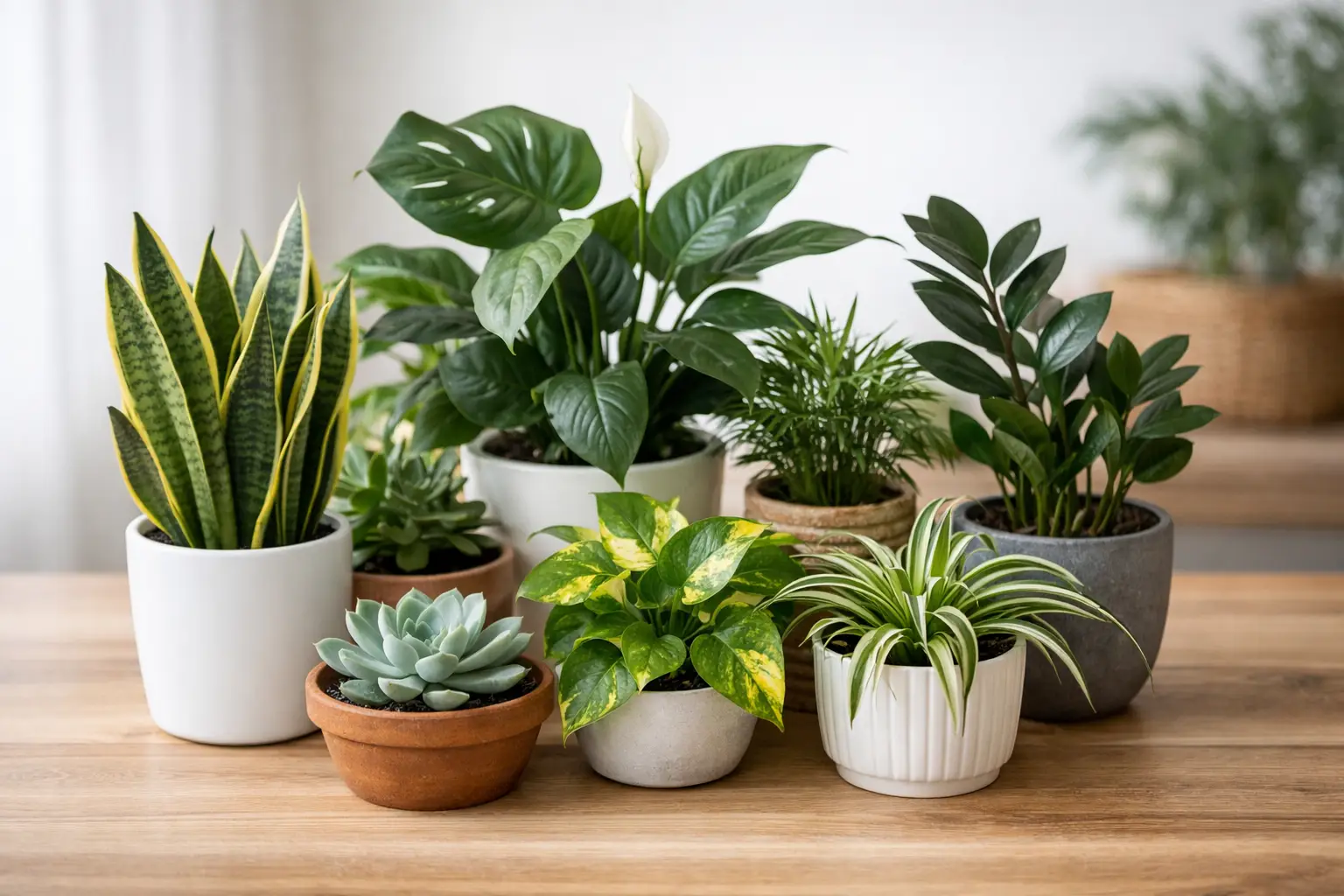
If you have ever brought home a plant, set it near a window, and hoped for the best, you are not alone. The best houseplants for beginners are the ones that look great, handle a little inconsistency, and do not punish you for missing a watering day when life gets busy.
That is why smart plant shopping matters. For Long Island homeowners and families looking to add fresh color and life indoors, the goal is not to buy the trendiest plant in the room. It is to choose varieties that fit your light, your schedule, and the way you actually live. A good beginner plant should be forgiving first and impressive second.
What makes the best houseplants for beginners?
A beginner-friendly houseplant usually checks a few simple boxes. It can tolerate some variation in watering, it does not need constant pruning or feeding, and it adapts well to average indoor temperatures. That matters in real homes, where one room may get strong afternoon sun while another stays dim for most of the day.
The other factor is pace. Some plants grow slowly and stay tidy, which is great if you want something easy to manage. Others grow fast and give you that satisfying sense that you are doing something right. Neither is better across the board. It depends on whether you want a low-effort accent plant or something that becomes a bigger part of the room over time.
10 best houseplants for beginners
Snake plant
Snake plant is one of the easiest starting points for almost anyone. It handles low light better than many houseplants, tolerates dry indoor air, and prefers to dry out between waterings. If you tend to overcare for plants, this one actually does better when you leave it alone a bit.
Its upright shape also makes it easy to place in entryways, bedrooms, offices, or corners that need structure. The trade-off is that it grows fairly slowly indoors, so if you want quick, dramatic change, it may feel a little patient.
Pothos
Pothos earns its reputation. It is adaptable, fast-growing, and forgiving if you miss a watering or two. The trailing vines soften shelves, mantels, and kitchen corners, and the plant can handle a range of light conditions, though it looks best in bright, indirect light.
For beginners, pothos is rewarding because it gives visible results quickly. The main thing to watch is soggy soil. Like many easy-care plants, it is more likely to struggle from too much water than too little.
ZZ plant
If your home has lower light and you want a polished, modern look, ZZ plant is a strong choice. Its glossy leaves stay attractive with very little attention, and it stores water in its rhizomes, which helps it handle occasional neglect.
This is a great fit for busy households, workspaces, and rooms where other plants may seem fussy. The one caution is patience. ZZ plants are hardy, but they are not known for rapid growth.
Spider plant
Spider plants have been popular for decades for a reason. They are easy to grow, adaptable, and cheerful without being high maintenance. Their arching leaves bring movement to a room, and mature plants often produce baby plantlets that hang from long stems.
For a beginner, that is part of the appeal. You get a plant that not only survives but also shows you when it is happy. Spider plants prefer bright, indirect light, but they can adjust to average household conditions.
Peace lily
Peace lilies bring a softer, fuller look than some of the more architectural beginner plants. Their dark foliage and white blooms make them feel a little more finished, almost like living decor. They also do a nice job signaling thirst, since their leaves droop noticeably when they need water.
That said, peace lilies are slightly less forgiving than snake plants or ZZ plants. They do not want to sit bone dry for too long, and direct sun can scorch the leaves. If you want something easy but a little more lush, this is a solid middle ground.
Philodendron
Many philodendron varieties are excellent for first-time plant owners, especially heartleaf philodendron. It has a relaxed trailing habit, tolerates average indoor conditions, and usually bounces back well from small care mistakes.
It is often compared with pothos, and the two play a similar role in the home. If your space gets medium to bright indirect light and you want an easy vine with a classic look, philodendron is hard to go wrong with.
Aloe vera
Aloe vera works especially well for sunny kitchens, home offices, and windowsills. It has a clean, sculptural shape and prefers the kind of bright light that many other beginner plants cannot handle as easily.
The trade-off is simple. If your home does not have a bright spot, aloe may not stay at its best. But in the right window, it is one of the best houseplants for beginners who tend to underwater rather than overwater.
Cast iron plant
The name tells you a lot. Cast iron plant is known for handling less-than-ideal conditions, including lower light and some missed care. It has deep green foliage and a sturdy, no-nonsense look that fits well in traditional and contemporary spaces alike.
It does not deliver flashy blooms or dramatic trailing growth, but that is also why many beginners love it. It stays dependable, neat, and easy to live with.
Dracaena
Dracaena brings height and texture indoors without demanding constant maintenance. Many varieties have bold striped foliage, which makes them useful when you want a plant that acts as a visual anchor in the room.
Most dracaenas like bright, indirect light, though some tolerate lower light reasonably well. They prefer moderate watering, so the best approach is to let the top layer of soil dry before watering again.
Chinese evergreen
Chinese evergreen is a strong option if you want foliage color without a lot of effort. Depending on the variety, you can find green, silver, pink, or red tones, which makes it easier to match your plant to the room instead of settling for whatever is easiest.
It adapts well to indoor conditions and does not require constant attention. For beginners who want low maintenance but still want some decorative impact, this plant strikes a nice balance.
How to choose the right beginner plant for your home
The biggest mistake new plant owners make is choosing based on looks alone. A sun-loving succulent in a dim den is going to be frustrating, even if it looked perfect at the store. Start with your space first.
If you have bright windows, aloe, pothos, spider plant, and many philodendrons can do very well. If your rooms are more moderate or low light, snake plant, ZZ plant, cast iron plant, and Chinese evergreen are usually safer bets. If you want something with flowers, peace lily adds that extra touch, but it does ask for more consistent moisture.
There is also the question of pace and placement. Trailing plants like pothos and philodendron are ideal for shelves and plant stands. Upright plants like snake plant and dracaena work better on the floor or in corners where you want vertical shape.
Simple care tips for beginner houseplants
Most easy houseplants fail for one reason: too much attention in the form of overwatering. Before you water, check the soil with your finger. If the top inch feels dry, that is usually a better time to water than following a rigid calendar.
Drainage matters too. A decorative pot without drainage can look great, but it also makes it easier for roots to sit in excess moisture. If you are using a cachepot, keep the plant in a nursery pot inside it so watering is easier to manage.
Light should be matched, not guessed. Bright, indirect light means a well-lit room without harsh sun beating directly on the leaves for hours. Low light does not mean no light. Even the toughest houseplants still need some natural or supplemental light to stay healthy.
A little patience helps. New plants often need a few weeks to adjust to a new home, especially after being moved from a greenhouse or garden center into air conditioning, heat, and everyday household conditions. A dropped leaf or two is not always a sign that something is seriously wrong.
When it makes sense to ask for help
Beginner plants are easier, not automatic. If leaves are yellowing, stems are stretching, or the plant just is not looking right, the issue is often light or watering, but sometimes it is the combination of pot, soil, and placement.
That is where shopping local makes a difference. At Westminster Nursery, customers can see a broad indoor plant selection in person and get practical guidance based on the room they are shopping for, whether that is a sunny kitchen, a low-light office, or a front entry that needs a clean, finished look.
The right plant should feel like an easy win, not a project. Start with one that fits your space, let it settle in, and enjoy the small shift it brings to the room. A good houseplant does more than survive on a windowsill. It makes home feel a little more alive.