
How to Start an Herb Garden on Long Island
Learn how to start an herb garden with smart choices for sun, soil, containers, and flavorful plants suited to Long Island seasons from spring to fall.
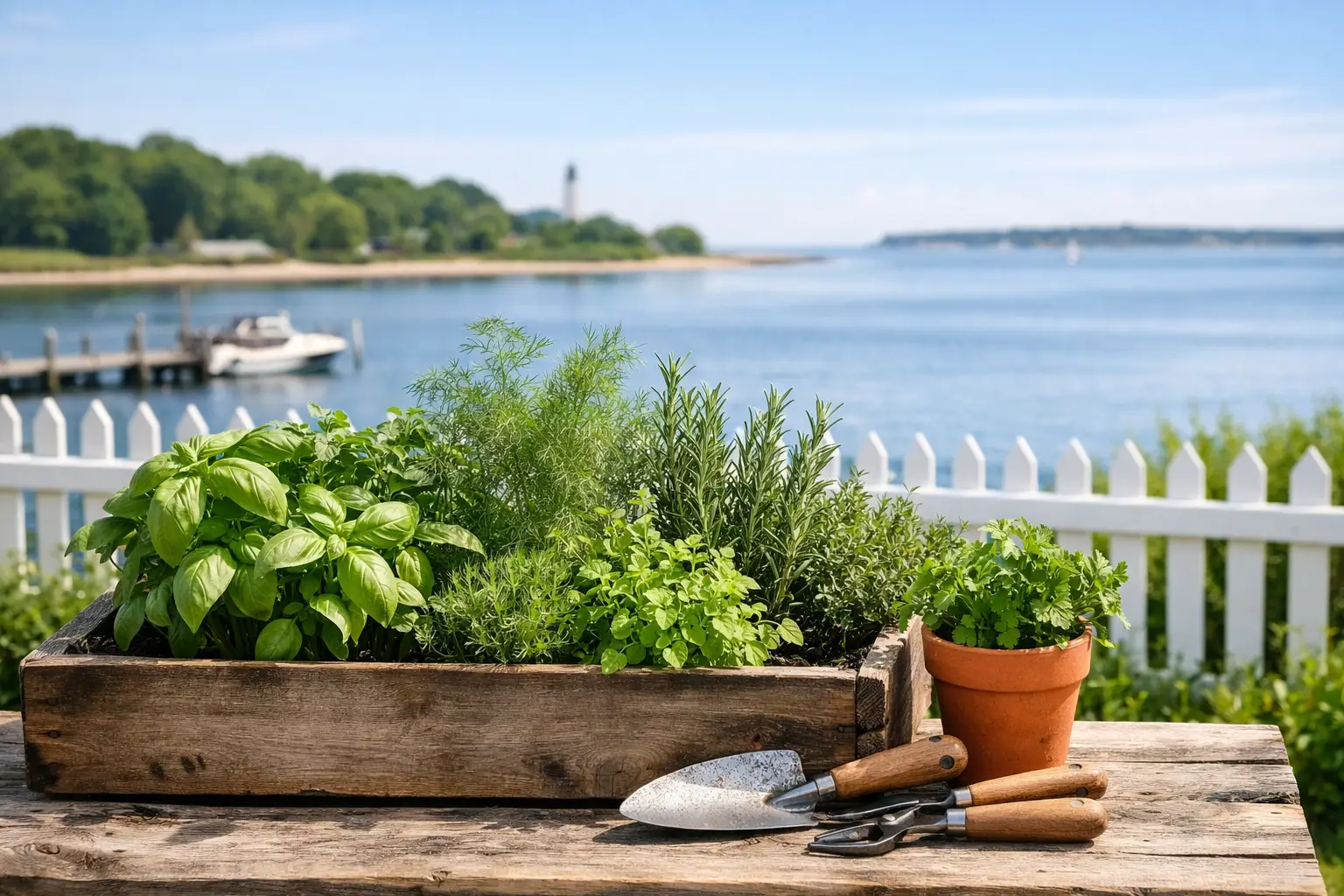
Fresh basil for a summer tomato salad, mint clipped for iced tea, rosemary ready beside the grill - an herb garden makes everyday cooking feel more personal. Learning how to start an herb garden is also one of the most satisfying ways to begin gardening because a few well-chosen plants can provide useful harvests all season long.
For Nassau County homeowners, the best herb garden is rarely the largest one. It is the one placed where you will water it, pick from it, and enjoy it often. A sunny patio container, a raised bed near the kitchen, or a bright strip along a walkway can all become productive growing spaces.
Start Your Herb Garden With the Right Location
Most culinary herbs want plenty of direct sun. Aim for a spot that receives at least six hours of sunlight each day, especially for basil, thyme, rosemary, oregano, sage, and lavender. More sun generally means fuller plants and stronger flavor.
Before planting, watch the area for a day rather than guessing. A spot that looks sunny at breakfast may be shaded by a mature tree or the side of the house by early afternoon. If your yard has limited direct light, grow parsley, cilantro, chives, or mint where they receive morning sun and some afternoon shade.
Convenience matters just as much as sunlight. Herbs are harvested in small amounts, often at the last minute. Put them close to the kitchen door, outdoor dining area, or grill so they become part of your routine rather than another chore across the yard.
Choose a Garden Bed, Raised Bed, or Containers
There is no single correct way to start an herb garden. The best setup depends on your available space, sunlight, and how much maintenance you want to take on.
An in-ground garden bed gives perennial herbs room to settle in and return year after year. It works especially well for oregano, thyme, sage, chives, and winter-hardy varieties of rosemary. The trade-off is that Long Island soil can vary widely, and poorly drained ground may need compost and soil improvement before planting.
Raised beds offer more control over drainage and soil quality. They also make harvesting easier and give a small garden a clean, intentional look. This is a strong option if your existing soil is compacted, if you are creating a garden near a patio, or if you want to keep herbs separate from larger vegetables.
Containers are ideal for patios, decks, front steps, and anyone starting small. Use pots with drainage holes and choose a container large enough to hold moisture between waterings. A 12-inch pot can work for one basil plant or a small combination planting, while larger containers are better for rosemary, sage, and vigorous mint.
Keep mint in its own pot. It spreads enthusiastically through garden beds and can quickly crowd out neighboring herbs. Container growing lets you enjoy all its fragrance without giving it control of the whole garden.
Pick Herbs You Will Actually Use
The most successful herb gardens are built around meals your household already enjoys. If you cook Italian dishes, start with basil, parsley, oregano, and rosemary. For grilling, include thyme, sage, rosemary, and chives. If you make tacos, salsas, or bright summer salads, cilantro and basil are useful choices.
For a dependable first planting, consider these garden favorites:
- Basil: A warm-season annual with big flavor for sauces, salads, and sandwiches.
- Parsley: A versatile herb that handles cooler weather and works well in beds or containers.
- Chives: Easy, attractive, and perennial, with mild onion flavor.
- Thyme: A low-growing, sun-loving herb that prefers excellent drainage.
- Oregano: Productive and hardy, with a spreading growth habit.
- Rosemary: Fragrant and useful for roasting and grilling, but sensitive to wet soil and hard winter cold.
- Cilantro: Best in spring and fall, since summer heat encourages it to flower quickly.
A small herb garden does not need one of everything. Three or four plants that match your cooking habits will be more rewarding than a crowded collection that goes unused.
Annuals and Perennials Need Different Planning
Basil and cilantro are annual herbs, meaning they complete their growing cycle in one season. You can plant them each spring and enjoy them until cold weather arrives. Basil dislikes chilly temperatures, so wait until nights are reliably mild before setting it outdoors.
Chives, oregano, thyme, and sage are perennials that may return each year when planted in a suitable spot. Their long-term value is excellent, but give them spacing from the start. Perennials often look small at the garden center and then expand considerably after a season or two.
Rosemary is a special case on Long Island. It can thrive outdoors through the warm months, but many varieties do not reliably survive winter conditions. Treat it as a seasonal plant, protect it in a sheltered location, or grow it in a container that can be moved indoors before hard frost.
Give Herbs the Soil They Prefer
Herbs do not need overly rich soil, but they do need drainage. Heavy, soggy soil is one of the fastest ways to lose rosemary, thyme, and other Mediterranean herbs. For an in-ground bed, loosen the soil and blend in compost to improve its texture. For containers and raised beds, use a quality potting mix or garden soil designed for containers rather than filling pots with dense soil from the yard.
Avoid the urge to overfertilize. Too much nitrogen can create lots of soft green growth with less concentrated flavor. A modest amount of compost at planting time is often enough, followed by a light, balanced feeding only if plants appear pale or stalled.
Space plants so air can move around them. Crowding holds moisture on leaves and makes harvesting difficult. Basil typically needs more room than thyme, while oregano and mint will spread outward as they grow.
Plant, Water, and Harvest for Strong Growth
When planting, set each herb at the same depth it was growing in its nursery pot. Press soil gently around the root ball, then water thoroughly to settle the roots. Add a light mulch around in-ground plants, but keep it away from the stems so moisture does not collect where it should not.
Water newly planted herbs consistently while they establish. After that, let the soil guide you. Basil, parsley, and container-grown plants usually need regular watering, particularly during hot, windy stretches. Thyme, rosemary, sage, and oregano prefer the soil to dry somewhat between drinks. Check with a finger an inch below the surface instead of watering by the calendar.
Harvesting encourages many herbs to grow fuller. Pinch basil tips just above a set of leaves once the plant is established, and remove flower buds if your goal is leafy harvests. Snip parsley and chives from the outside of the plant first. With woody herbs such as rosemary and thyme, take small cuttings and avoid removing more than about one-third of the plant at a time.
If basil begins to produce flowers, do not panic. The plant is responding to heat and maturity. Pinching the flower stems early will keep it focused on leaf production longer, but a flowering basil plant can still be used in the kitchen.
Plan for Long Island Weather
Spring weather can shift quickly across Nassau County, which is why timing matters. Cool-tolerant herbs such as parsley, cilantro, chives, and thyme can handle the earlier part of the season better than basil. Wait to plant warm-weather basil until the danger of cold nights has passed and the soil has warmed.
Summer heat can dry container gardens surprisingly fast. Pots on blacktop, patios, or sunny decks may need daily attention during a heat wave. Moving containers slightly away from reflected afternoon heat can help, provided the plants still receive adequate sun.
As fall approaches, continue harvesting before the first frost. Parsley, chives, thyme, and sage often keep going through cool weather, while basil will decline quickly once temperatures turn cold. Bringing a healthy potted rosemary or basil plant indoors is possible, though lower indoor light can slow growth.
A well-stocked local garden center makes the process easier, from selecting seasonal herb plants to finding containers, potting mixes, and the practical advice that helps plants settle in. Westminster Nursery can help Long Island gardeners choose varieties that fit their space, their cooking, and the season ahead.
Start with one sunny spot and a few herbs you genuinely love to eat. By the time you make your first meal with leaves clipped just outside the door, that small garden will feel like one of the best additions to your home.