
12 Best Vegetables for Raised Beds on Long Island
Find the best vegetables for raised beds in Nassau County, with planting tips for sun, spacing, soil, and reliable harvests from spring through fall.
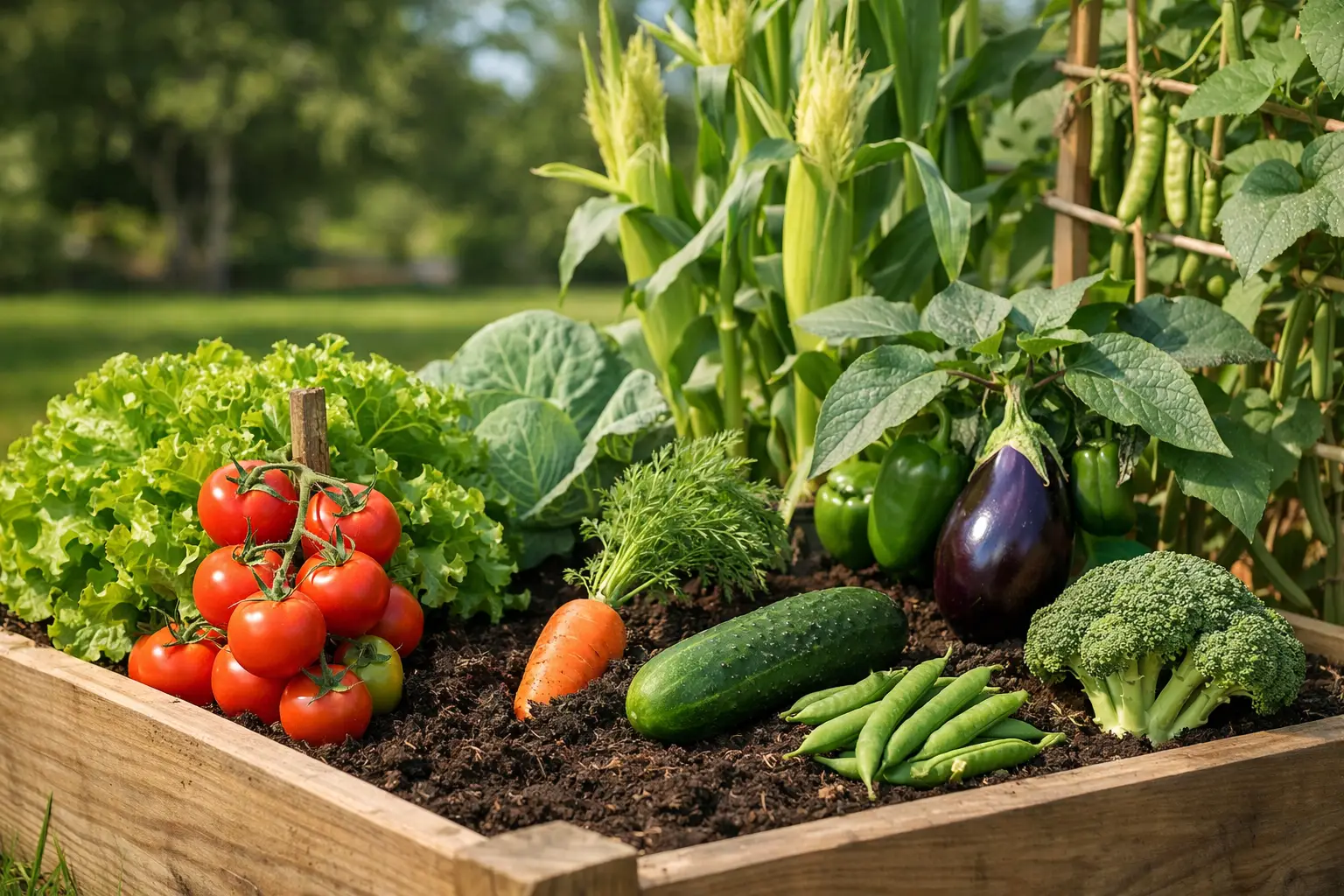
A raised bed can turn a small sunny corner of a Nassau County yard into a productive vegetable garden. The best vegetables for raised beds are the ones that make smart use of rich, well-drained soil, stay manageable in a defined space, and reward you with a steady harvest. For Long Island gardeners, that also means choosing crops that match our spring-to-fall growing season and giving warm-weather plants enough time to mature.
Raised beds warm up sooner than in-ground soil, drain well after heavy rain, and make it easier to control soil quality. They are ideal for first-time gardeners, but they also help experienced growers fit more fresh vegetables into a compact backyard. Start with a bed that receives at least six to eight hours of direct sun, then select vegetables based on the space you have and the way your family likes to eat.
Best Vegetables for Raised Beds: Start With These Favorites
Tomatoes
Tomatoes earn their place in nearly every raised-bed garden. Cherry and grape tomatoes are especially productive, while slicers and paste tomatoes offer a bigger harvest for sandwiches, salads, and sauce. Because tomato roots appreciate loose, fertile soil, raised beds give them a strong start.
Give each plant room to grow and install a sturdy cage, stake, or trellis at planting time. Indeterminate varieties keep growing and producing through the season, but they need more vertical support. Determinate varieties stay more compact, which can be helpful in a smaller bed. Wait until nights are reliably mild before planting tomatoes outdoors, usually after the risk of frost has passed in spring.
Peppers
Sweet bell peppers, snack peppers, jalapeños, and other hot peppers all perform well in sunny raised beds. They like the same warm conditions as tomatoes but generally stay more compact, making them easy to place along the front or center of a bed.
Peppers are not in a hurry early in the season. Plant them when the soil has warmed, keep moisture consistent, and avoid crowding them with fast-growing neighbors. A row of pepper plants offers plenty of color as fruit ripens from green to red, orange, yellow, or purple, depending on the variety.
Cucumbers
Cucumbers grow fast once summer heat arrives, and raised beds make it easy to keep them tidy. Bush varieties work well when space is limited, while vining cucumbers can climb a trellis along the back of the bed. Growing upward improves air circulation and keeps fruit easier to spot at harvest time.
Choose slicing cucumbers for fresh eating or pickling types for smaller, more uniform fruit. Cucumber plants need regular watering, particularly when they begin flowering and setting fruit. Harvest often to encourage continued production.
Beans
Beans are one of the most satisfying vegetables for newer gardeners because the seeds sprout quickly and the plants produce steadily. Bush beans form compact plants that can be planted in blocks, while pole beans climb high and are excellent for a trellis, fence, or garden arch.
Plant bean seeds after the soil has warmed in late spring. For a longer season of picking, sow a small new section every couple of weeks into early summer. Pole beans take longer to begin producing, but their vertical habit can make them a better choice when bed space is at a premium.
Lettuce and Salad Greens
Lettuce, arugula, spinach, kale, and Swiss chard are among the best choices for early spring and fall. They do not need summer heat, and several can tolerate light chilly weather. Their quick growth makes them perfect for filling open spots before tomatoes, peppers, and cucumbers need the space.
For the longest salad season, plant leaf lettuce rather than a single large head. Pick a few outer leaves at a time and let the plants continue growing. In summer, greens may bolt, or send up flower stalks, as temperatures rise. A bit of afternoon shade can help, but it is usually best to switch that space to heat-loving crops during the hottest part of the season.
Carrots
Carrots benefit from the deep, loose soil a raised bed can provide. Choose shorter varieties if your bed is shallow, and make sure the soil is free of rocks, roots, and large clumps that can cause forked roots. Carrot seeds are small and slow to germinate, so keep the surface evenly moist until seedlings appear.
Thin young carrots so the remaining plants have space to size up. This small task makes a noticeable difference. Carrots can be planted in spring and again in late summer for a crisp fall harvest.
Radishes
Radishes are quick, colorful, and well suited to filling gaps between slower crops. Many varieties are ready within a month, giving gardeners an early reward while the rest of the bed gets established. They are also a smart companion for carrots because radishes mature before carrots need the room.
Cool weather produces the best flavor and texture. Plant radishes in early spring and again when late-summer temperatures begin to ease. If they sit in the ground too long, roots can become woody or overly sharp, so harvest promptly.
Zucchini and Summer Squash
A single zucchini plant can be remarkably productive, so give it a generous share of the bed. Compact bush varieties are best for raised beds, although a large container placed nearby can also work. The broad leaves create shade, which helps conserve soil moisture but can overwhelm smaller vegetables planted too close.
Check plants every day or two once fruit begins forming. Zucchini is best picked young and tender, before it becomes oversized. Good air circulation and watering at the base of the plant help keep foliage healthier through humid Long Island summers.
Eggplant
Eggplant brings a bold, polished look to an edible garden, with purple flowers and glossy fruit. It needs warmth, full sun, and rich soil, so it settles happily into a raised bed after late-spring planting. Smaller-fruited Asian and Italian varieties are often especially productive in home gardens.
Use a stake or small cage if plants begin leaning under the weight of fruit. Like peppers, eggplants dislike cool soil and chilly nights, so patience at planting time pays off.
Broccoli and Cabbage Family Crops
Broccoli, cauliflower, cabbage, and Brussels sprouts are excellent cool-season choices for gardeners who want to extend the raised-bed season. Plant them early in spring or in late summer for fall harvest. Broccoli is often the easiest starting point, particularly when you choose compact varieties suited to home gardens.
These plants need consistent water and enough room for their broad leaves. Their trade-off is space: one mature broccoli plant occupies more area than a row of radishes or lettuce. If your bed is small, plant just a few and use the remaining room for quick crops.
Beets
Beets offer two harvests in one plant: tender roots and edible greens. They grow well in the cooler parts of the season and are easy to tuck into a raised bed after spring lettuce or before fall greens. Sow seeds directly, then thin seedlings to allow each root to develop.
The greens can be harvested sparingly while roots continue to grow. For the best texture, pick beets when they are medium-sized rather than waiting for very large roots.
Onions and Garlic
Onions and garlic suit raised beds because they need dependable drainage and loose soil around the bulbs. Onion sets or young plants make spring planting simple. Garlic is planted in fall, spends winter in the bed, and is harvested the following summer.
They are not high-drama crops, but they are useful ones. Place them along bed edges where they will not shade shorter vegetables, and plan ahead so you do not disturb them while replanting nearby areas.
Plan the Bed Around Sun, Height, and Timing
The best layout is not simply a collection of favorite vegetables. Put tall plants such as trellised cucumbers, pole beans, and tomatoes on the north side of the bed so they do not shade shorter crops. Place peppers, eggplants, carrots, lettuce, and radishes where they can receive open light.
Timing matters just as much. Use spring for lettuce, spinach, radishes, carrots, beets, and broccoli. As those crops finish, plant tomatoes, peppers, beans, cucumbers, zucchini, and eggplant for summer. In late summer, open spaces can be replanted with greens, radishes, carrots, and broccoli for fall.
Avoid planting every crop at once if your household cannot keep up with the harvest. Two tomato plants may be plenty for one family, while a small row of lettuce planted every couple of weeks can provide a more useful supply. A raised bed is productive because it is managed closely, not because it is packed as tightly as possible.
Give Raised-Bed Vegetables the Soil They Need
Fill beds with quality garden soil blended with compost, rather than using heavy native soil alone. The goal is soil that holds moisture but drains well, with enough organic matter to support active roots. Top off beds with compost each season, since growing vegetables gradually uses up nutrients and settles the soil level.
Water deeply at the base of plants, especially during dry spells. Raised beds can dry out faster than ground-level gardens, particularly in July and August. A layer of straw or other clean mulch around larger plants helps moderate soil temperature, reduce splashing during rain, and keep moisture from disappearing too quickly.
Westminster Nursery can help local gardeners choose vegetable plants, herbs, soil, and seasonal garden essentials that fit the sun exposure and size of their space. Bring a quick photo or measurements of your raised bed when you shop, and it becomes much easier to select varieties that will grow well together.
A well-planted raised bed should feel useful, not overwhelming. Start with a few vegetables your family will genuinely harvest and enjoy, then add a new crop each season as your confidence grows. Fresh lettuce in spring, tomatoes in summer, and carrots in fall can make one small bed feel like a garden worth tending.