
10 Best Herbs for Patio Pots on Long Island
Find the best herbs for patio pots, plus simple planting and care tips for flavorful, productive containers in Nassau County and across Long Island today.
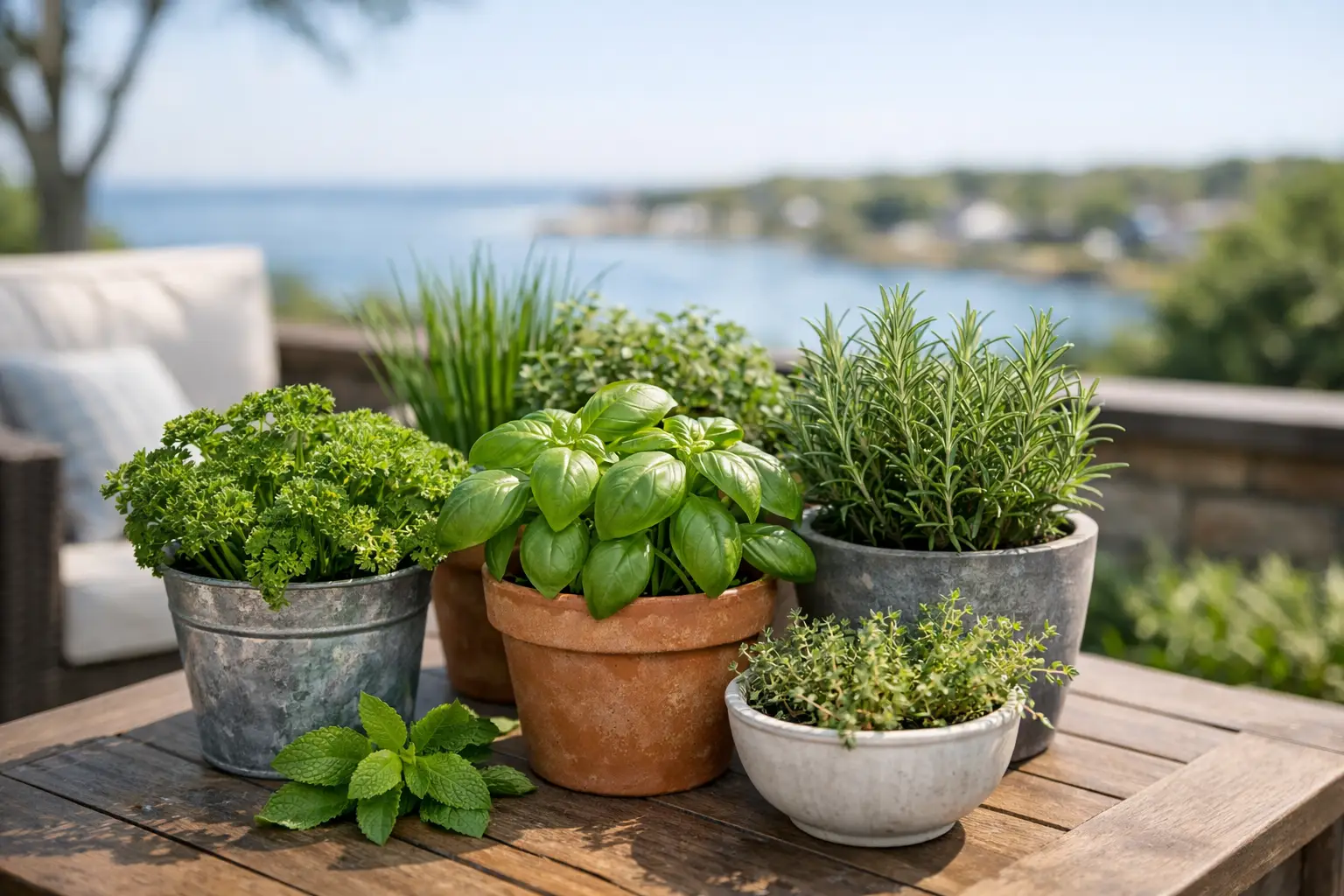
A patio can smell like dinner before you ever turn on the grill. A sunny corner with basil, rosemary, and mint puts fresh flavor just steps from the kitchen, while giving even a small outdoor space the look of a well-tended garden. The best herbs for patio pots are productive, attractive, and easy to snip as needed - especially when they are matched to the sun and container space you have.
For Long Island homeowners, container herbs also solve a common garden problem: you can grow plenty of fresh ingredients without committing a section of the yard to a dedicated herb bed. A few well-chosen pots by the back door, on a deck, or along a patio edge can keep your summer meals supplied with fresh leaves, stems, and fragrance.
Best Herbs for Patio Pots: Start With Sun
Most culinary herbs want at least six hours of direct sun daily. A south- or west-facing patio is usually ideal for basil, thyme, oregano, rosemary, sage, and lavender. If your patio gets gentler morning light or bright shade, parsley, cilantro, chives, and mint are better choices.
Before choosing plants, pay attention to how the sun moves across the space. A patio that looks sunny at noon may be shaded by the house by midafternoon. This does not mean you cannot grow herbs there. It simply means your plant selection should favor herbs that tolerate less intense light.
Drainage matters just as much as sunlight. Herbs dislike sitting in soggy soil, particularly after a stretch of humid or rainy Long Island weather. Choose pots with drainage holes and use a quality potting mix rather than heavy garden soil. Garden soil compacts in containers, limiting airflow around the roots.
10 Herbs That Thrive in Containers
Basil
Basil is the summer patio favorite for good reason. It grows quickly in warmth, fills out beautifully in a container, and rewards regular harvesting with more leaves. Classic sweet basil is perfect for tomato salads, pesto, and pasta, while purple basil and compact varieties add standout color to a mixed pot.
Give basil a roomy container, consistent moisture, and full sun. Pinch the growing tips often, and remove flower buds as they appear if your goal is a long season of leafy growth. Basil is sensitive to cold, so wait until nighttime temperatures are reliably mild before leaving it outdoors.
Parsley
Parsley brings a fresh, clean flavor to almost everything from grilled vegetables to potatoes and marinades. Curly parsley offers a tidy, textured look, while flat-leaf Italian parsley is often the pick for cooking. Both are excellent choices for containers near a kitchen entrance.
Unlike many Mediterranean herbs, parsley appreciates steady moisture and can handle partial sun. It is also a useful companion in a larger pot with chives or compact flowers, provided each plant has enough room to develop.
Rosemary
Rosemary gives patio containers structure. Its upright, needle-like foliage looks polished all season, and its woodsy aroma makes it especially welcome near outdoor dining areas. Use sprigs with chicken, potatoes, grilled meats, and roasted vegetables.
This herb needs bright sun and sharp drainage. Let the top inch or so of potting mix dry before watering again. Overwatering is the most common reason rosemary struggles in pots, so avoid placing a rosemary container where it catches runoff from a roof or irrigation system.
Thyme
Low-growing thyme is one of the best herbs for patio pots with a warm, sunny location. Common thyme is a kitchen staple, while lemon thyme brings a bright citrus scent to fish, vegetables, and summer drinks. Creeping varieties can spill gently over a pot edge for a softer, layered look.
Thyme prefers leaner, drier conditions than parsley or basil. It works well in a shared container with rosemary, sage, or oregano because their watering needs are similar.
Oregano
Oregano is generous, fragrant, and nearly effortless in a sunny pot. Its trailing habit makes it a natural fit for containers, window boxes, and raised planters. Snip stems for pizza, sauces, roasted vegetables, and salad dressings.
Keep oregano trimmed rather than letting it become long and woody. A regular harvest keeps the plant fuller and more useful. Like thyme, it prefers soil that dries slightly between waterings.
Chives
Chives are a compact, practical choice when space is limited. Their slender leaves can be cut repeatedly for eggs, dips, baked potatoes, and salads. In spring, the round purple flowers add an unexpected ornamental touch to a patio container.
Chives grow in sun or partial sun and appreciate more regular watering than rosemary or thyme. Cut leaves with clean scissors, leaving a few inches above the soil so the plant can quickly regrow.
Mint
Mint is wonderfully useful and wonderfully determined. That is exactly why it belongs in its own pot. Spearmint, peppermint, chocolate mint, and mojito mint all make refreshing additions to tea, fruit, desserts, and cold drinks, but mint spreads aggressively when planted in the ground or combined with other herbs.
Give mint a container of its own, sun to partial sun, and consistently moist soil. Harvest often, and trim it back if it begins to look leggy. A single healthy mint plant can provide plenty all summer.
Sage
Sage has soft, silvery-green leaves that bring a handsome contrast to containers filled with darker foliage. Common culinary sage is useful for sauces, stuffing, browned butter, and grilled dishes. It is also a smart choice for a patio that gets strong afternoon sun.
Like rosemary, sage prefers excellent drainage and does not need constant watering. Choose a pot that gives it room to mature, since a small plant can become a substantial, shrub-like presence over time.
Cilantro
Cilantro is ideal for cooks who reach for fresh flavor in salsa, tacos, rice dishes, and salads. It is a cool-season herb, which makes it especially useful in spring and again as temperatures ease toward fall. Hot weather encourages cilantro to flower and set seed quickly.
Plant cilantro in a deeper pot, because it develops a taproot. Sow or plant fresh batches every few weeks during its best seasons for a more consistent harvest. Once it flowers, the seeds can be allowed to dry and used as coriander.
Lemon Balm
Lemon balm has a bright, lemony fragrance that makes a patio feel welcoming. The leaves are lovely in tea, simple syrups, fruit salads, and infused water. It tolerates partial shade better than rosemary or basil, making it a good option for patios with filtered light.
Like mint, lemon balm can spread enthusiastically, so a dedicated container is the easiest way to keep it contained. Pinch the tips to encourage bushier growth and remove flower stalks if you want to focus on leaves.
How to Arrange Herb Pots for Better Growth
Grouping herbs by water needs makes care easier and plants happier. Put rosemary, thyme, oregano, and sage together in a sunny, fast-draining arrangement. Keep basil, parsley, chives, and cilantro in containers that receive regular watering. Mint and lemon balm deserve pots of their own.
Container size affects how often you will water. Small pots dry quickly during July and August, especially on paved patios that radiate heat. A container at least 10 to 12 inches wide gives one herb a more stable root zone, while a larger planter can hold several compatible plants. Make sure a mixed pot is not overcrowded. A full-looking container at planting time may become cramped within a few weeks.
Terra-cotta pots have a classic garden-center look and allow soil to dry faster, which suits Mediterranean herbs. Glazed ceramic and resin containers hold moisture longer and can be helpful for basil and parsley. Whatever style fits your patio, prioritize drainage, enough soil volume, and a sturdy placement where pots will not tip in summer storms.
Simple Patio Herb Care Through the Season
Water early in the day when possible, soaking the soil until moisture runs through the drainage hole. Then check before watering again. Basil and parsley may need water frequently in hot spells, while rosemary and thyme should not be treated the same way. The fastest route to better container gardening is learning the weight of a watered pot versus a dry one.
Harvesting is maintenance, not just a reward. Pinching basil, trimming oregano, and cutting chives encourages new growth. Avoid taking more than about one-third of a plant at once, particularly when it is young or stressed by heat.
A light, occasional feeding with a balanced container fertilizer can support vigorous growth, but do not overdo it. Excess fertilizer can produce soft growth with less concentrated flavor. Fresh potting mix, adequate sun, and attentive watering usually do more for patio herbs than a heavy feeding schedule.
If you are planning a patio herb garden, Westminster Nursery can help you choose fresh herb plants, containers, potting materials, and seasonal combinations suited to your space. Bring a quick photo of your patio or note how many hours of sun it receives, then build a collection that makes stepping outside for dinner ingredients part of the routine.