
How to Overwinter Potted Tropicals Indoors
Learn how to overwinter potted tropicals with practical indoor care tips for Long Island homes, from timing and pruning to light, water, and pests, too.
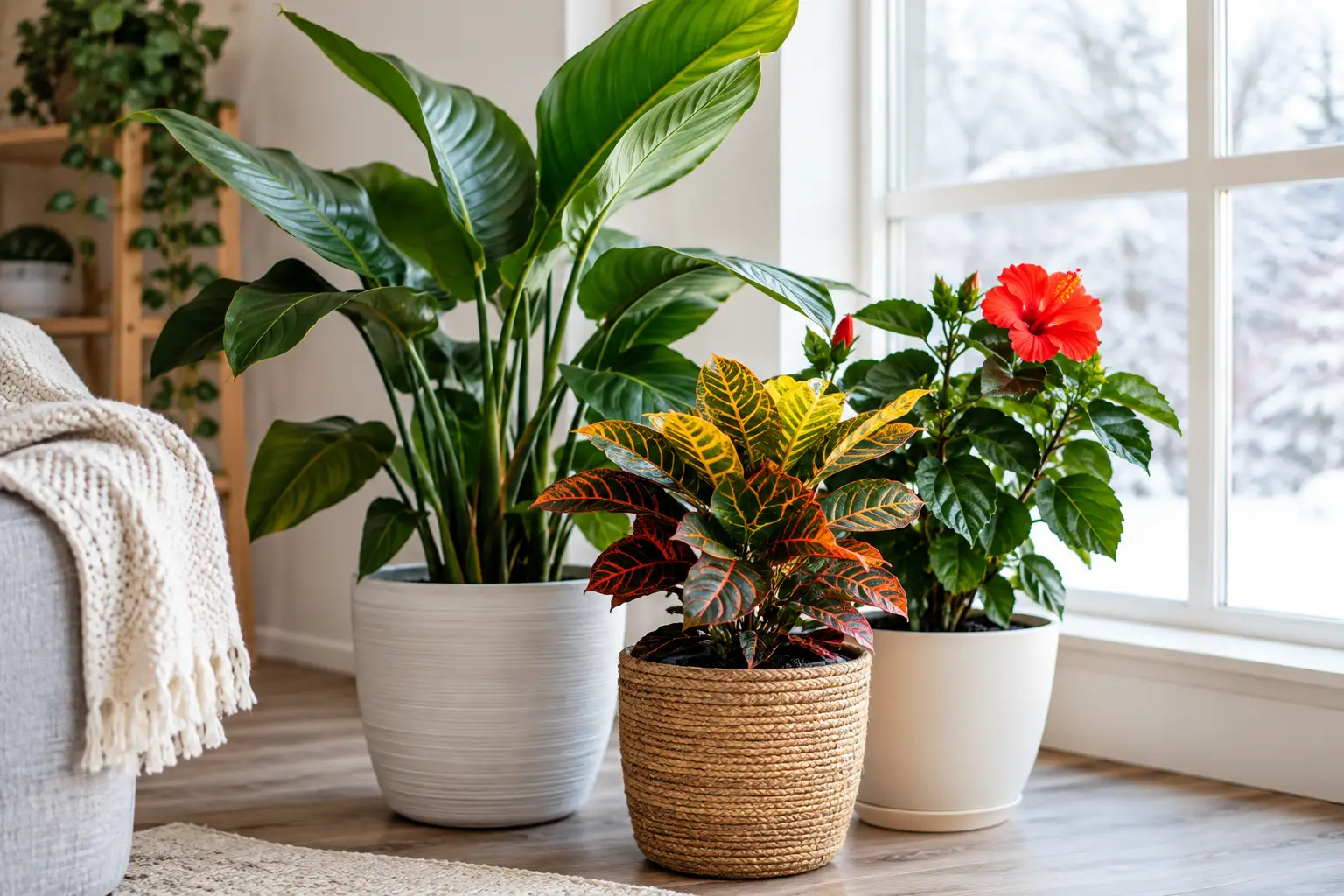
The first chilly night on Long Island can turn a thriving patio collection into a scramble. Knowing how to overwinter potted tropicals means moving before cold damage appears, then adjusting your care routine for a very different indoor season. Your hibiscus, mandevilla, palms, elephant ears, dipladenia, and other warm-weather favorites are not failing when growth slows indoors. They are responding to less light, cooler air, and shorter days.
For Nassau County gardeners, the goal is simple: bring healthy plants inside before frost, keep them stable through winter, and return them outdoors gradually when spring warmth is reliable. A little preparation now can save you from replacing favorite statement plants next season.
Start Before the Temperature Drops
Most tropical plants should come indoors when overnight temperatures consistently approach 50°F. Some plants, especially tender foliage plants and tropical flowering varieties, can show stress before a true frost arrives. Do not wait for a weather forecast that calls for freezing temperatures. One cold night can blacken leaves, weaken roots, and make indoor recovery much harder.
Begin by deciding which plants are worth carrying through winter. A mature palm, a favorite hibiscus, a large bougainvillea, or a well-shaped mandevilla is often worth the indoor space and attention. Smaller annual tropicals may be easier to replace in spring, particularly if your home has limited bright windows.
A few days before moving plants, inspect every pot closely. Look under leaves, along stems, and at the soil line for aphids, spider mites, scale, mealybugs, whiteflies, or slugs. Rinse foliage with a gentle stream of water, remove dead leaves, and isolate any plant with visible pests from the rest of your collection. Bringing pests indoors is one of the quickest ways to create a winter-long problem for houseplants.
How to Overwinter Potted Tropicals: Choose the Right Method
Not every tropical wants the same winter treatment. The best approach depends on the plant, the amount of light in your home, and how much space you have available.
Keep actively growing plants in bright light
Tropical foliage plants, palms, croton, hibiscus, and many flowering tropicals generally do best indoors as growing houseplants. Put them near your brightest available window, ideally one with several hours of direct sun. South- and west-facing exposures are often strongest, although a bright east-facing window can work well for plants that prefer gentler morning light.
Window light in a Long Island home is much weaker in December than patio light in July. If a plant begins dropping leaves or stretching toward the glass, supplemental grow lights can make a noticeable difference. Position lights close enough to be effective without touching foliage, and run them long enough to mimic a full day of light.
Keep pots away from cold windowpanes, exterior doors, and forced-air heating vents. A plant can be in a sunny spot and still struggle if cold drafts hit its leaves every time the door opens. Grouping plants together also helps create a slightly more humid pocket of air.
Let certain plants rest in a cool, protected space
Some tropicals can overwinter in a less active state. Elephant ears, canna lilies, bananas, and certain tuberous or bulb-forming plants may tolerate a cooler, dimmer location after their foliage dies back or is cut back. A basement, garage, or enclosed porch may work if it stays above freezing and does not become excessively dry.
This method saves space and reduces watering, but it is not a one-size-fits-all solution. A true tropical palm or hibiscus should not be stored in a dark, cold garage. When in doubt, identify the plant before choosing dormancy. The experienced plant team at Westminster Nursery can help match a winter plan to the plant you bring in or describe.
Prepare Plants for Their Indoor Move
A clean transition makes a major difference. Start by pruning only what needs pruning. Remove yellow leaves, damaged branches, spent blooms, and any long stems that make the plant difficult to place indoors. Avoid severe pruning of plants that are already stressed by the move, unless that species benefits from a hard cutback before dormancy.
Check whether the plant is badly root-bound. If roots are circling the bottom of the pot, it may need repotting, but fall is usually not the ideal time for a major upgrade. Repotting encourages new growth just as indoor light is declining. Unless the plant is drying out immediately after watering or roots are pushing it out of the container, wait until late winter or spring.
Before bringing a pot inside, clean its exterior and saucer. This keeps outdoor soil, insects, and debris from ending up on floors and windowsills. Place large containers on rolling plant caddies or protective trays so you can rotate them for even light and move them easily during cleaning.
Water Less Than You Did Outside
Overwatering is the most common winter mistake with potted tropicals. Outdoors in summer, heat, sun, wind, and vigorous growth can make daily watering necessary. Indoors, the same pot may take a week or much longer to dry.
Check soil with your finger before watering. For many tropicals, water when the top inch or two is dry, then water thoroughly until excess drains from the bottom. Empty the saucer after the pot has drained so roots are not sitting in standing water. Plants with thicker roots, bulbs, or fleshy stems generally need even less water during winter rest.
Do not follow a calendar alone. A plant near a radiator dries differently from one in a cool sunroom. Smaller pots dry faster than large pots, and low-light conditions slow water use. Let the soil, plant type, and room conditions guide you.
Humidity can also be a challenge once indoor heat is running. Brown leaf edges, curling foliage, and frequent spider mite activity can signal dry air. Keep plants grouped together, use a humidifier nearby when practical, or place pots on pebble trays with water below the pot base. Misting may offer a brief boost, but it does not replace steady humidity.
Pause Fertilizer Until Growth Returns
Most potted tropicals do not need regular fertilizer during the darkest months. Fertilizing a plant that is barely growing can lead to salt buildup in the soil and soft, weak growth. Hold off from late fall through midwinter, then resume a balanced fertilizer when you see clear signs of active new growth and longer spring days.
There are exceptions. Plants growing under strong supplemental lights in a warm room may continue to grow steadily and can use a light feeding. Even then, use a reduced rate rather than treating them as if they were outside in peak summer.
Watch for Pests Every Week
Indoor conditions can make pest populations rise quickly, especially on plants packed closely together. Check the undersides of leaves each week, along with new shoots and stem joints. Sticky residue, fine webbing, pale speckling, cottony clusters, or distorted new leaves all deserve attention.
At the first sign of trouble, separate the plant from others if possible. Wipe larger pests away by hand or rinse foliage, then use an appropriate indoor plant treatment according to its label directions. Repeat checks are essential because eggs and young insects can appear after the first treatment.
Good airflow helps, but avoid placing tropicals directly in the path of dry heated air. Rotate plants occasionally so all sides receive light and you can inspect them thoroughly.
Bring Them Back Outside Slowly in Spring
When spring arrives, do not move tropicals from the living room straight into full sun. Indoor-grown leaves can scorch quickly in outdoor light, even on a mild day. Wait until nighttime temperatures are reliably warm, usually after the danger of frost has passed, then begin a gradual hardening-off period.
Start with a sheltered, shady outdoor spot for a few hours a day. Over seven to 10 days, increase outdoor time and introduce brighter light slowly. Check the forecast, because late spring cold snaps still happen on Long Island. Once plants are fully acclimated, refresh the top layer of potting mix, resume regular feeding, and enjoy the growth surge that comes with real sun and warm air.
A bright windowsill, a careful watering routine, and a little patience can carry your favorite tropicals through winter beautifully. When it is time to refresh your indoor plant setup or plan next season's containers, stop by your local garden center with questions and photos - the right advice now makes spring feel much closer.