
10 Best Tropical Plants for Patio Spaces
Find the best tropical plants for patio spaces on Long Island, with bold color, easy care tips, and smart choices for sun, shade, and containers all summer.
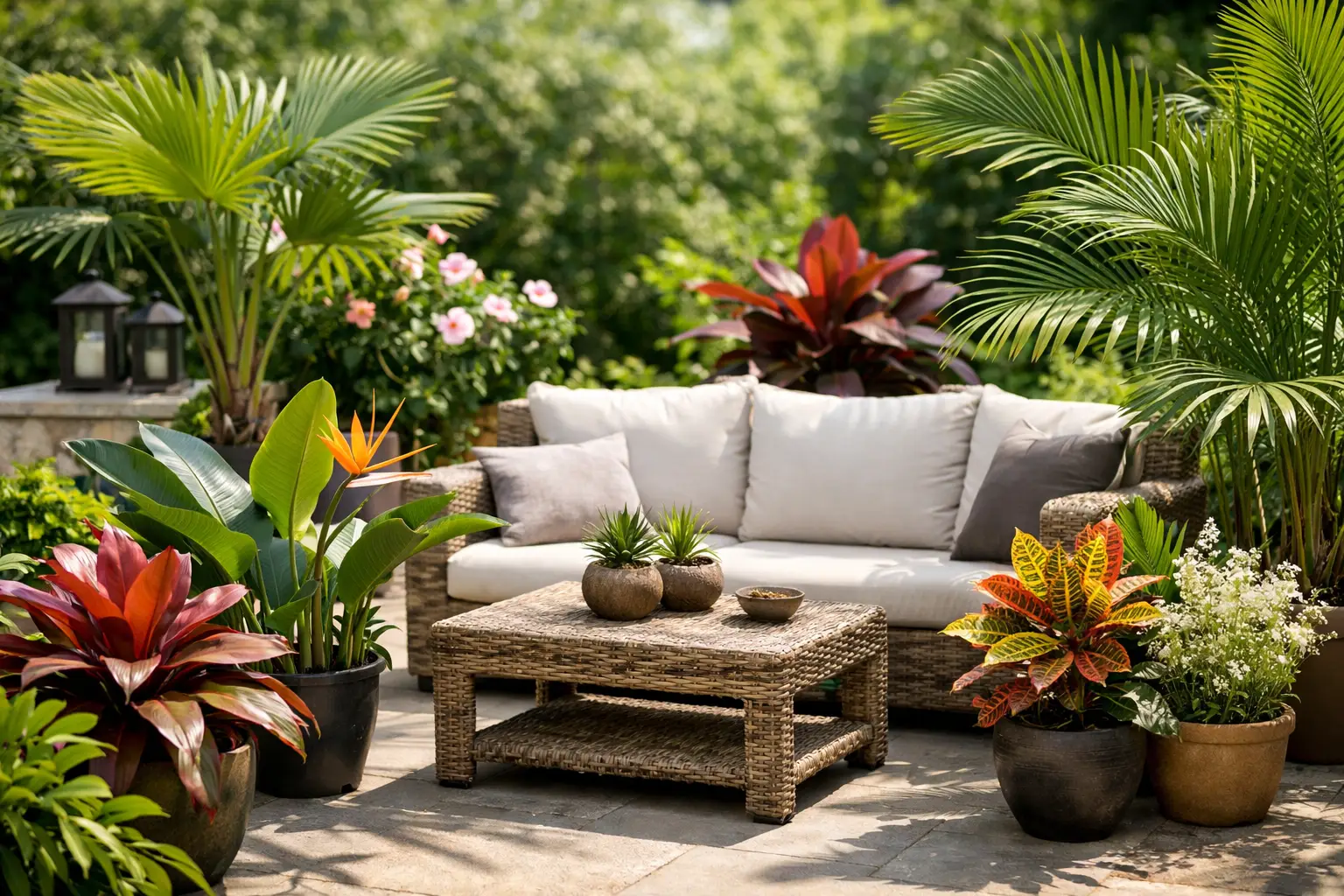
A patio can feel like a vacation spot without leaving Nassau County. The best tropical plants for patio spaces bring oversized leaves, bright flowers, and the lush, layered look that makes an ordinary seating area feel special. Whether you have a sunny poolside deck, a compact paver patio, or a covered porch with morning light, containers let you build that tropical feeling right where you spend summer.
For Long Island gardeners, the secret is choosing plants that suit your light, watering routine, and available room. Most tropical favorites shine outdoors from late spring into early fall, then need to come indoors or be replaced once cooler weather arrives. That seasonal flexibility is part of the fun: every year is a chance to create a new color story.
How to Choose the Best Tropical Plants for Patio Areas
Start with the sun. Flowering tropicals such as hibiscus, mandevilla, and bougainvillea want plenty of direct light to produce their best show. If your patio gets six or more hours of sun, these are natural candidates for large pots near a railing, entry, or seating area.
Shadier patios can still look dramatic. Elephant ears, palms, caladiums, and many leafy tropicals bring strong texture without asking for intense afternoon sun. A site with bright indirect light or several hours of gentle morning sun is often enough to keep foliage looking full and colorful.
Container size matters more than many gardeners expect. Small nursery pots dry quickly and restrict roots, especially in July and August. Give larger plants a substantial container with drainage holes, using fresh potting mix rather than garden soil. A pot that is a little too large is usually easier to manage than one that needs watering twice a day.
Think about scale, too. A patio arrangement looks more intentional when it includes height, fullness, and a trailing edge. One tall palm or bird of paradise can anchor a corner; mounding foliage fills the middle; and a spill of sweet potato vine or trailing annuals softens the rim. You do not need to crowd every inch to get that resort-style effect.
10 Tropical Patio Plants Worth Making Room For
1. Tropical Hibiscus
Tropical hibiscus is the plant to choose when flowers are the main event. Its large blooms come in hot pink, red, orange, yellow, peach, and softer shades, often with a contrasting center that draws attention from across the yard. Place it in full sun, water when the top layer of soil feels dry, and feed it regularly during active growth.
Hibiscus is ideal near a patio entrance or beside outdoor furniture where the flowers can be appreciated up close. It does need warmth, so wait until nights are reliably mild before leaving it outside full-time. If you have a sunny indoor space, it can be brought inside before autumn temperatures drop.
2. Mandevilla
For vertical color, mandevilla earns its place. This vining tropical produces trumpet-shaped blooms over a long summer season and looks especially good climbing a trellis, obelisk, or railing support. Red, pink, and white varieties can set the tone for the whole patio.
Mandevilla appreciates sun and consistent moisture, but it should not sit in waterlogged soil. Use a sturdy container because it gains height quickly. It is a smart choice for homeowners who want to frame a view or add privacy to one side of a patio without planting a permanent screen.
3. Majesty Palm and Other Patio Palms
Nothing says tropical quite like a palm. Majesty palms offer graceful, arching fronds that work beautifully in large floor containers, while other palm varieties can bring a more compact or structured look. Their foliage pairs easily with almost any flower color, making them a useful foundation plant for seasonal displays.
Most palms prefer bright light and evenly moist soil. On a very hot, exposed patio, check them often because wind can dry containers faster than expected. Palms are best used as statement plants rather than squeezed into a crowded grouping where their fronds have no room to spread.
4. Elephant Ears
Elephant ears deliver instant drama. Their broad, heart-shaped leaves can be green, nearly black, burgundy, chartreuse, or marked with vivid veins, depending on the variety. One well-grown plant can make a simple patio corner feel lush in a matter of weeks.
They thrive with regular water and rich potting mix. Some varieties take full sun with enough moisture, while others are happier with afternoon protection, so match the selection to your site. Keep their eventual size in mind - elephant ears are magnificent in large containers and can overwhelm a small bistro patio.
5. Bird of Paradise
Bird of paradise has bold, paddle-like leaves that give a patio a clean, architectural tropical look. Mature plants may produce unusual orange-and-blue blooms, but even without flowers, the foliage has plenty of presence. It works particularly well beside modern outdoor furniture, dark planters, and clean-lined hardscaping.
Give it bright light, warmth, and a container with excellent drainage. Bird of paradise grows more slowly than some summer tropicals, which can be a benefit if you prefer a polished, less unruly display. It can also transition indoors if you have a bright enough room.
6. Canna Lily
Canna lilies combine the scale of tropical foliage with showy flowers in red, yellow, orange, pink, and multicolor combinations. Their leaves may be solid green, bronze, striped, or burgundy, so they provide interest before the first bloom opens. They are especially effective in sunny patio containers where a little height is welcome.
Cannas enjoy warmth, sun, and regular watering. Deadheading spent blooms keeps the planting tidy, though the foliage alone remains attractive. Use them at the back of a large mixed planter or as a pair flanking steps for a strong, welcoming look.
7. Cordyline
Cordyline brings color without relying on flowers. Its sword-like leaves often come in deep burgundy, purple, bronze, pink, or green, making it a favorite for adding contrast to flower-filled containers. The upright shape makes it useful as the center "thriller" in a mixed planter.
It handles sunny locations well and looks sharp with lime-green sweet potato vine, orange lantana, or pink petunias. Cordyline is also a practical answer for patios that need a tropical mood but do not have room for a large palm.
8. Bougainvillea
Bougainvillea is made for the hottest, brightest patio spots. Its papery bracts in magenta, purple, red, orange, or white create a brilliant display that feels right at home against brick, stone, or a sunny stucco-colored wall. It can be trained on a support or allowed to form a colorful, loose mound.
The trade-off is that bougainvillea is not a plant for constant fussing. It prefers strong sun, good drainage, and a slightly drier rhythm between waterings once established. Handle it carefully, as many varieties have thorns, and choose a spot where its branches will not reach into a busy walkway.
9. Caladium
Caladium is a top choice for shade and part-shade patios. Its thin, heart-shaped leaves appear in combinations of white, green, pink, red, and rose, brightening corners where sun-loving flowers struggle. A collection of caladiums in matching pots can look just as striking as a flowering display.
Because the leaves are the feature, caladium works well with ferns, begonias, and dark-leaved colocasia. Keep the soil consistently moist but not saturated, and shelter plants from harsh afternoon sun that can scorch delicate foliage.
10. Bromeliads
Bromeliads offer a distinctive, tropical look with rosettes of glossy leaves and long-lasting colorful centers. Their red, orange, yellow, or pink color can hold for weeks, providing a polished focal point in an entry container or on a covered patio table. They are also compact enough for smaller spaces.
Most bromeliads prefer bright, filtered light rather than relentless sun. They are a good fit for gardeners who want an unusual accent plant with less sprawling growth. Pair one with leafy green plants in a decorative container and let its form do the talking.
Keep Your Patio Display Looking Full Through Summer
Tropical containers are thirsty during warm weather, particularly those in dark pots, windy spots, or full afternoon sun. Check soil moisture frequently and water deeply until it drains from the bottom of the container. A quick splash on the surface is rarely enough to reach the root ball.
Regular feeding helps flowering plants keep producing and foliage plants maintain rich color. Follow the directions for a balanced container fertilizer, and remove yellow leaves or faded flowers as needed. Rotating pots every week or two can also prevent plants from leaning toward the strongest light.
When nights begin turning cool, decide which favorites are worth bringing indoors. Healthy hibiscus, palms, bird of paradise, and select foliage plants can become part of your indoor plant collection with the right light and care. Treat outdoor tropicals as seasonal stars, and you can be more adventurous with your combinations each spring.
For a patio that feels personal rather than prepackaged, begin with one plant that makes you stop and look, then build around its color, size, and light needs. Westminster Nursery can help you choose tropicals, containers, and companion plants that suit the way you actually use your Long Island outdoor space.