
How to Diagnose Plant Pests Before Damage Spreads
Learn how to diagnose plant pests by reading leaf damage, checking undersides, and spotting early warning signs in Long Island gardens and houseplants.
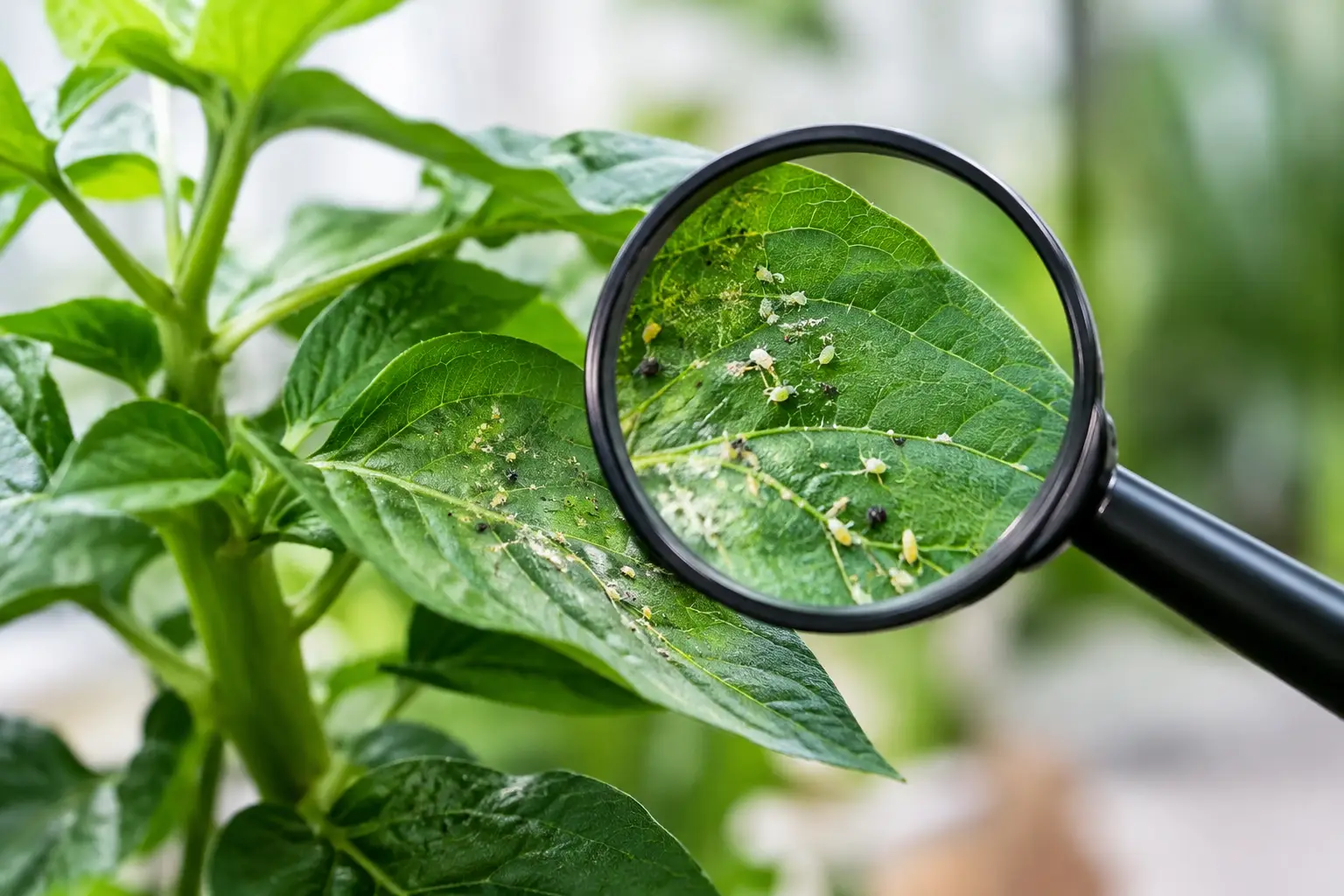
A pepper plant with holes in its leaves, a boxwood turning bronze, or a houseplant covered in sticky residue can make any gardener worry. Knowing how to diagnose plant pests starts with slowing down before you spray, prune, or move the plant. The pattern of damage often tells a clearer story than the first insect you happen to see.
For Long Island homeowners, timing matters too. Many pest problems show up as spring growth begins, during humid summer stretches, or when plants are stressed by heat, dry soil, poor drainage, or transplanting. A careful inspection can help you choose the right response and avoid treating a problem the plant does not actually have.
Start With the Damage, Not the Diagnosis
Pests leave clues. Before looking for a culprit, study what has changed and where it appears on the plant. Is the damage on new growth, older leaves, stems, roots, or fruit? Is it scattered across the plant or concentrated in one area? A few missing leaves on a healthy perennial call for a different response than widespread yellowing on a newly planted hedge.
Chewed leaves usually point to a feeding pest such as caterpillars, beetles, slugs, snails, or larger visitors. Look for irregular holes, leaf edges that appear scalloped, or foliage reduced to a lace-like skeleton. Caterpillars may leave dark pellet-like droppings, while slugs and snails often leave a silvery trail and do most of their feeding overnight.
Piercing and sucking pests create a different look. Aphids, spider mites, whiteflies, scale, and leafhoppers draw sap from plant tissue. Their feeding can cause leaves to curl, yellow, stipple with tiny pale dots, become distorted, or drop early. Some also leave behind sticky honeydew, which can attract ants and support a black, soot-like coating on leaves.
Do not assume every brown spot, curled leaf, or yellow branch is caused by an insect. Drought stress, overwatering, nutrient issues, salt exposure, fungal disease, herbicide drift, and winter injury can all mimic pest damage. The goal is to find evidence, not guess from one symptom.
How to Diagnose Plant Pests With a Close Inspection
Most pests hide where gardeners do not initially look. Bring the plant into good light if possible, or inspect it in the morning when foliage is dry. A pair of garden gloves, a hand lens, and a plain sheet of white paper can make the job much easier.
Check leaf undersides first. Aphids often cluster around tender new shoots and flower buds. Whiteflies may flutter up in a small cloud when you disturb the foliage. Spider mites are tiny, but their fine webbing and pale stippling are easier to spot beneath leaves, especially on indoor plants and sun-stressed shrubs.
Examine stems, branch joints, and the base of the plant. Scale insects can resemble small brown, gray, or white bumps attached to stems. Mealybugs look like bits of white cotton tucked into leaf joints. Borers may leave entry holes, sawdust-like material, or oozing sap on trunks and branches. On trees and shrubs, inspect the transition where trunk meets soil as well, since damage there can be especially serious.
For small, active insects, hold a white sheet of paper under a branch and tap the foliage sharply. Tiny pests that fall onto the paper are easier to see against a light background. This is particularly useful for spider mites, thrips, and small beetles.
Look at the whole plant, not only the worst leaf. A pest that prefers fresh growth may leave mature foliage looking normal. A root-related problem may show up as general wilting even when you cannot find insects above ground. If the plant is in a container, check drainage holes and gently slide it from the pot if roots, moisture, or soil insects seem suspicious.
Read the Most Common Pest Clues
Aphids are soft-bodied insects, usually green, black, yellow, brown, or pink, that gather in groups on fresh growth. Curled new leaves, distorted buds, honeydew, and ants traveling up stems are common clues. They can multiply quickly, but light infestations are often manageable with a strong stream of water and regular monitoring.
Spider mites thrive in hot, dry conditions and can become a problem on roses, evergreens, vegetables, and many houseplants. Their damage begins as fine pale stippling, then leaves may look dull, bronze, or dusty. Webbing confirms the diagnosis, though it may not appear until populations are heavier. Because mites are not insects, a product labeled only for insect pests may not be the right choice.
Scale can be easy to overlook because adults barely move. The small shells or bumps may blend into bark and stems, especially on houseplants, hollies, euonymus, and other woody ornamentals. If a suspected bump scrapes off with a fingernail and reveals plant tissue underneath, it may be scale. Sticky leaves and dark coating below an affected branch are additional signs.
Japanese beetles are easier to identify by sight. Adults have shiny green bodies with coppery wing covers and chew leaves between the veins, leaving a skeletonized appearance. They also feed on flowers and fruit. Their activity is most noticeable in summer, and individual plants can be targeted heavily while nearby plants are barely touched.
Caterpillars, bagworms, and similar leaf-eating larvae are often found by looking for the feeding damage first, then inspecting nearby foliage. Bagworms carry distinctive spindle-shaped cases made of silk and plant material, often hanging from arborvitae, juniper, spruce, and other evergreens. On privacy hedges, finding them early is much easier than dealing with a larger population later in the season.
Slugs and snails favor damp, sheltered spaces. They chew smooth-edged holes through tender leaves and are especially common around hostas, herbs, seedlings, and low-growing annuals. Inspect at dusk, after rain, or early in the morning rather than relying only on a daytime search.
Separate Pest Damage From Plant Stress
Pests rarely follow perfectly uniform patterns. If every leaf on one side of a shrub is browned in the same direction, wind, winter burn, road salt, or heat reflection may be involved. If an entire planting is pale or slow-growing, consider soil moisture, drainage, planting depth, and nutrition before blaming insects.
Root rot can look like a pest issue because plants wilt and decline even when soil is wet. A plant that wilts during the hottest part of the day but recovers at night may simply need more consistent moisture. Yellow leaves on the oldest growth can be a normal adjustment or a watering issue, depending on the plant and season.
Disease and pests can also occur together. A stressed plant is more attractive to some pests, while insect feeding can create wounds that allow disease to enter. This is why a quick treatment without a diagnosis can miss the larger issue.
Choose a Response That Fits the Pest and Plant
Once you have identified the likely pest, consider how much damage is actually occurring. A few chewed leaves on an established plant may be cosmetic. Heavy feeding on a young vegetable plant, newly installed shrub, or valued houseplant deserves faster attention.
Start with the least disruptive option that makes sense. Hand-remove visible caterpillars or beetles. Prune out heavily infested tips when practical. Rinse aphids from sturdy plants with water. Improve air circulation, correct watering habits, and remove fallen debris where pests may shelter. For indoor plants, isolate affected specimens while you inspect nearby plants.
If a treatment is needed, match it to the pest and read the product label closely. Timing, temperature, pollinator safety, and the plant itself all affect what is appropriate. Avoid applying products to a plant that is heat-stressed, wilted, or in direct hot sun unless the label specifically allows it. Broad treatments can also affect beneficial insects that help keep aphids, caterpillars, and mites in check.
For larger landscape concerns, especially mature trees, privacy screens, recurring lawn and shrub damage, or a pest you cannot confidently identify, professional guidance can prevent expensive trial and error. Westminster Nursery can help local gardeners evaluate plant symptoms and make a practical plan for the plants growing in their yard.
Keep a Simple Pest Watch Through the Season
The easiest pest problem to manage is the one caught early. Take a quick walk through vegetable beds, containers, foundation shrubs, and privacy hedges once a week. Check new growth, leaf undersides, and plants that have struggled before. After a hot spell, heavy rain, or a new planting, give those areas an extra look.
Take a clear photo before removing damaged leaves or applying anything. Comparing photos over several days helps reveal whether the problem is spreading, stabilizing, or improving. That small habit turns plant care from guesswork into observation, and it gives every garden a better chance to stay full, healthy, and ready to enjoy.