
7 Examples of Backyard Landscape Transformations
See examples of backyard landscape transformations for privacy, color, gathering space and lasting value at Long Island homes throughout every season.
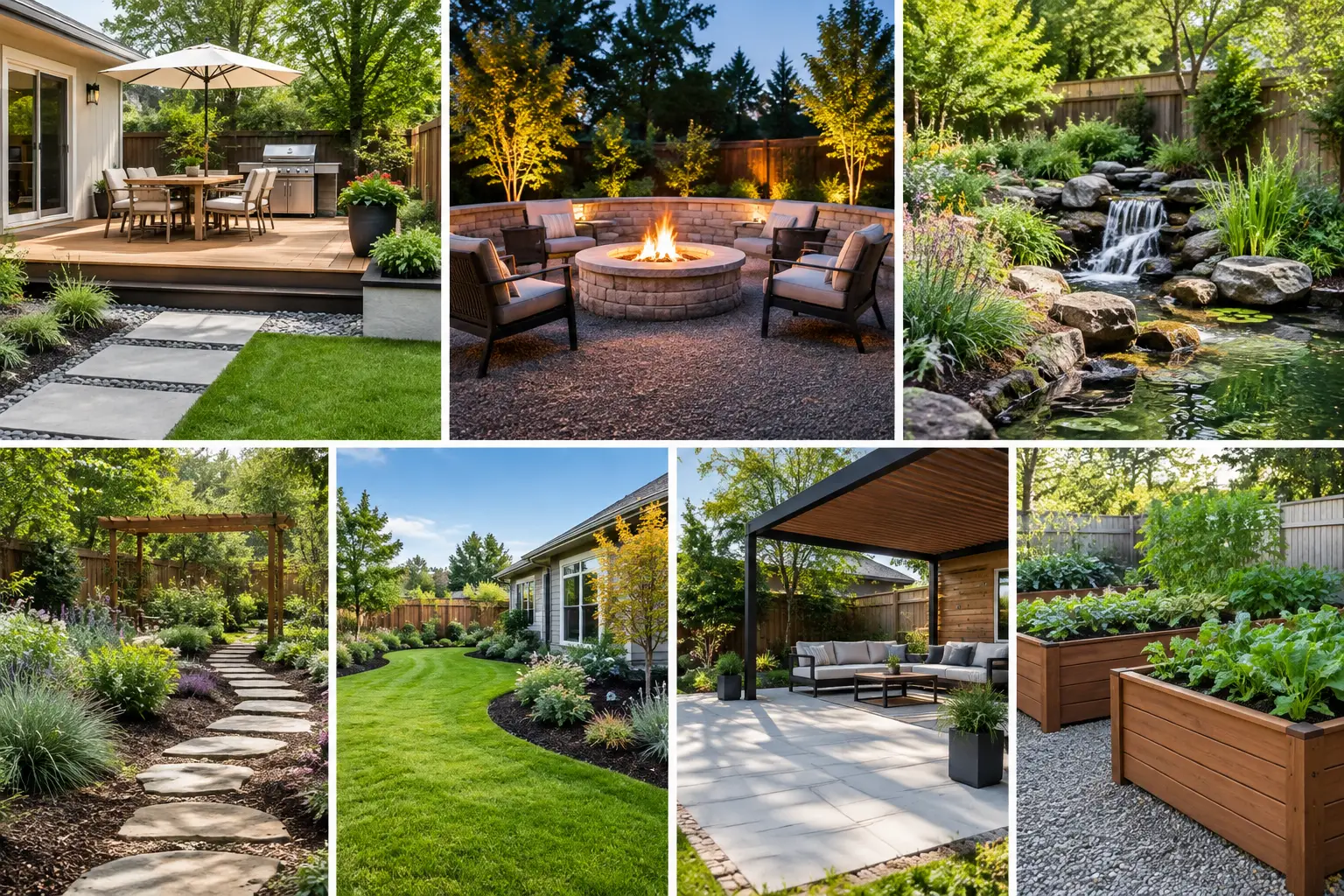
A backyard does not need a complete rebuild to feel completely different. Often, the biggest change comes from solving the one issue that keeps the space from being enjoyed: too little privacy, no place to sit, a soggy lawn, an empty view from the kitchen, or planting beds that disappear after May. These examples of backyard landscape transformations show how Nassau County homeowners can turn underused space into an outdoor area that looks polished, works harder, and feels personal.
1. From Exposed Yard to a Private Garden Retreat
Many Long Island backyards sit close to neighboring properties. A plain fence may define the lot, but it does not always create the sense of separation homeowners want when they are having dinner outside or relaxing with family.
A privacy-focused transformation begins with layered planting instead of a single row of shrubs. Green Giant arborvitae, skip laurels, Leyland cypress, and other evergreen screening plants can establish a strong living backdrop. In front of them, flowering shrubs, ornamental grasses, and perennials soften the look and give the yard dimension.
The trade-off is patience and proper spacing. Fast-growing privacy material is appealing, but crowding plants to get instant coverage can lead to poor air circulation and future pruning problems. A professional plan considers mature size, sun exposure, drainage, and access for maintenance, so the screen fills in beautifully without overwhelming the yard.
2. From Empty Lawn to an Outdoor Room
A large stretch of grass can look neat but still offer very little reason to spend time outdoors. One of the most rewarding backyard landscape transformations is creating a destination within that lawn: a patio, dining area, fire feature, or comfortable seating zone surrounded by plantings.
The layout matters as much as the materials. A patio placed directly off the house makes daily use easy, while a separate sitting area toward the back of the property can create a true escape. Paths, low walls, planting beds, and containers help define each zone without making the yard feel divided.
Think about how the area will actually be used. A family that hosts summer barbecues may need generous circulation around a dining table. A quieter household may prefer a smaller patio with room for a pair of lounge chairs, fragrant plants, and soft evening lighting. The best outdoor rooms are designed around real habits, not just a picture-perfect plan.
3. From Bare Borders to Four-Season Color
A backyard can feel unfinished when its planting beds provide a quick burst of spring color and then turn green and flat. Transforming those borders means building a sequence of interest, with something to notice from early spring through winter.
Spring bulbs and flowering shrubs can start the season, followed by dependable perennials and annual color for summer. Fall is the time for mums, ornamental grasses, and foliage that holds its color. Evergreens, berries, textured bark, and well-placed containers carry the garden through the colder months.
Annuals are especially useful near patios, pools, entry points, and outdoor entertaining areas because they give homeowners the flexibility to refresh color each season. Perennials and shrubs provide the structure. Combining both gives a garden the abundance of a seasonal display without requiring every bed to be replanted from scratch.
4. From a Wet, Patchy Corner to a Purposeful Planting Area
Not every backyard challenge is visible from the street. Low spots, compacted soil, shade beneath mature trees, and runoff from roofs can make certain areas frustrating to mow or plant. Instead of fighting that condition with more lawn seed, a smart transformation works with the site.
A damp area may benefit from grading adjustments, drainage solutions, or plants selected for consistently moist soil. A shady corner can become a calm woodland-style bed with shade-tolerant shrubs, foliage plants, and a winding path. Areas where turf repeatedly struggles may be better suited to mulched planting beds than another round of lawn repairs.
This is where a site evaluation pays off. What appears to be a plant problem may really be a drainage, soil, or light issue. Addressing the cause first helps protect the investment in new trees, shrubs, and flowers.
5. From One-Dimensional to Layered and Inviting
Some yards have healthy plants but still look flat. The usual reason is that everything is nearly the same height, planted in a straight line, or concentrated along the fence. A layered design changes the view from every angle.
Start with taller trees or screening shrubs to establish a backdrop. Add medium-height flowering shrubs and ornamental grasses through the middle, then use lower perennials, groundcovers, and seasonal flowers toward the front. Curved bed lines can guide the eye toward a focal point such as a specimen tree, a water feature, or a seating area.
Texture is just as important as bloom. Broad leaves, fine grasses, evergreen needles, and colorful foliage create contrast even when nothing is flowering. In a smaller backyard, this approach can make the property feel deeper because the eye moves through layers rather than stopping at a fence.
6. From Weekend Project Pile to Productive Kitchen Garden
A neglected sunny area can become one of the most satisfying parts of the landscape. Raised beds, edged garden plots, or attractive containers make it easy to grow tomatoes, peppers, herbs, lettuce, cucumbers, and seasonal favorites close to the kitchen.
A productive garden needs more than good intentions. It should receive adequate sun, have easy access to water, and be placed where harvesting feels convenient. A bed at the far end of the yard may look charming, but a few containers near the patio may get used more often.
This type of transformation is ideal for households that want the backyard to be both beautiful and useful. Herbs can share space with flowering annuals, while pollinator-friendly plants add color nearby. The result is a garden that earns its place in the landscape all season long.
7. From Maintenance Burden to a More Manageable Backyard
A beautiful landscape should fit the homeowner's available time. For some families, the right transformation is not adding more beds or more lawn. It is simplifying an overgrown space into clear planting areas with durable shrubs, mulch, edging, and a manageable lawn footprint.
Replacing high-maintenance sections with evergreen structure and dependable perennials can reduce the need for constant seasonal replacement. Thoughtful spacing makes pruning easier. Defined bed edges prevent mulch from spilling into grass and give the entire yard a cleaner appearance.
Low-maintenance does not mean lifeless. It means selecting plants and materials that make sense for the property, then maintaining them consistently. A professional maintenance program can keep beds groomed, shrubs shaped, and seasonal color refreshed without leaving homeowners to manage every detail.
Planning Your Backyard Transformation on Long Island
Before choosing plants or hardscape materials, look at the backyard from inside the house. Identify the views that matter most, the areas that receive strong afternoon sun, and the spots where water tends to collect. Then consider the practical questions: Do you need privacy? More room to entertain? A safer play area? Better curb-to-backyard continuity? A garden that supports vegetable growing?
It also helps to plan in phases. Privacy planting may come first, followed by a patio or new beds in a later season. A phased approach can make a larger vision feel more manageable while ensuring every new element works with what comes next.
For homeowners who want plant selection, seasonal color, and professional landscape support in one local place, Westminster Nursery brings more than 30 years of Long Island experience to the process. Whether the goal is a few fresh planting beds or a complete outdoor redesign, start with the problem you want the backyard to solve. The right combination of plants, layout, and ongoing care can make stepping outside the best part of coming home.