
10 Easy Herbs to Grow at Home on Long Island
Find easy herbs to grow at home for Long Island kitchens and patios, with practical tips on sun, watering, harvests, and choosing healthy starts locally.
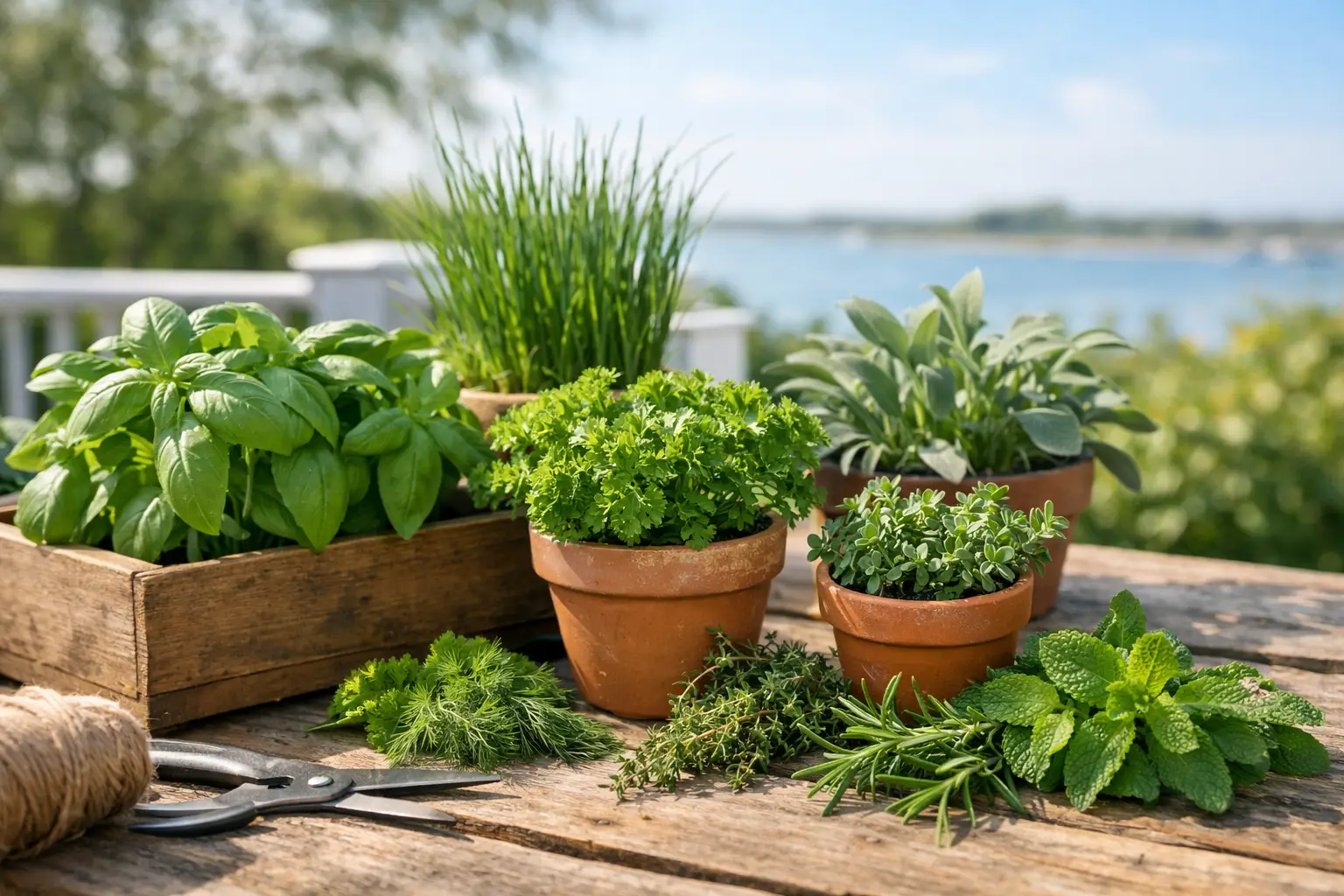
A container of fresh basil beside the grill, mint ready for iced tea, and rosemary clipped for weeknight chicken can make a patio feel more useful all season long. The best easy herbs to grow at home are not fussy plants reserved for expert gardeners. With the right spot, a few healthy starter plants, and regular harvesting, Long Island homeowners can grow a productive herb garden from spring through fall.
For most new herb gardeners, starting with established plants is the fast track to better results. You can see what you are bringing home, plant it right away, and begin harvesting sooner. A sunny deck, front stoop, kitchen window, or small corner of a raised bed can hold more flavor than you might expect.
Easy Herbs to Grow at Home: The Best Choices
Some herbs earn their place in nearly every home garden because they grow quickly, handle container life well, and are useful in everyday cooking. Start with the herbs your household actually uses. A beautiful plant that never makes it into dinner is still a plant, but a few leaves of fresh basil or chives can turn a simple meal into something special.
Basil
Basil is a summer favorite for good reason. It grows fast in warm weather, looks full and attractive in containers, and keeps producing when you harvest it regularly. Choose a spot with at least six hours of direct sun and wait until nights are consistently mild before planting outdoors.
Pinch stems just above a pair of leaves instead of taking only the largest leaves. That simple habit encourages branching, which means a bushier plant and a bigger harvest. If flower buds appear, remove them promptly to keep the leaves tender and flavorful. Basil dislikes cold, so it is one of the first herbs to struggle when fall temperatures begin to drop.
Parsley
Parsley is one of the most practical herbs for Long Island gardens. It handles cooler spring and early fall weather better than basil and works well in a container or garden bed. Flat-leaf parsley is especially easy to chop for sauces, salads, soups, and marinades, while curly parsley brings a more decorative texture.
Give parsley sun to partial sun and soil that stays lightly moist rather than soggy. Harvest outer stems first, cutting them close to the base of the plant. Avoid removing the small new growth at the center all at once. With steady picking, parsley can remain productive for months.
Chives
Chives are a dependable choice for gardeners who want flavor without much effort. Their slender leaves add a mild onion taste to eggs, baked potatoes, dips, and grilled dishes. They grow neatly in pots, return in the garden year after year, and produce round purple blooms that are also attractive in the landscape.
Place chives in sun or partial sun, water when the top of the soil begins to feel dry, and snip leaves as needed. Cut individual leaves or take a small handful about two inches above the soil line. Do not cut the entire plant down repeatedly if you want a continuous harvest.
Mint
Mint has a deserved reputation for enthusiasm. It is easy to grow, fragrant, and ideal for tea, fruit salads, mojitos, and summer drinks. It also spreads aggressively in garden beds, which is why a pot is usually the smarter choice.
Mint appreciates consistent moisture and can tolerate partial sun, making it useful for a patio that does not receive all-day light. Pick stems often to keep plants compact. If mint begins to look stretched or leggy, trim it back and let fresh growth fill in.
Rosemary
Rosemary brings a bold, savory flavor to roasted vegetables, potatoes, lamb, chicken, and grilled meals. Its upright, needle-like foliage also gives mixed containers structure, so it looks good even before harvest time. Rosemary wants the sunniest spot you have and soil that drains quickly.
The main mistake with rosemary is too much water. Let the upper layer of soil dry before watering again, especially in a pot without excellent drainage. In Nassau County, rosemary may need protection indoors once cool weather arrives, depending on the variety and winter conditions.
Thyme and Oregano
Thyme and oregano are excellent herbs for gardeners who tend to forget a watering now and then. Both enjoy sun, lean toward drier soil, and work beautifully along the edge of a raised bed or in a broad container. Thyme stays low and tidy, while oregano can spread and trail over the side of a pot.
Use thyme in roasted dishes, stuffing, soups, and marinades. Oregano is a natural fit for pizza, tomato sauces, grilled vegetables, and Italian-style cooking. Harvest before either plant flowers for the strongest flavor, though a few flowers are not a problem if pollinators are visiting your garden.
Match the Herb to Your Light
The location matters more than buying a complicated collection of supplies. Most culinary herbs want six or more hours of direct sun, particularly basil, rosemary, thyme, and oregano. A bright south- or west-facing patio is often ideal. If your space gets morning sun and afternoon shade, parsley, mint, and chives are more forgiving choices.
A sunny windowsill can support herbs, but indoor growing is a different challenge. Light through a window may be weaker than it appears, especially during winter. Keep indoor herbs close to the brightest window available, rotate pots every few days, and avoid placing foliage against cold glass. If plants become pale, sparse, or stretched toward the light, they need brighter conditions.
Containers should have drainage holes. A decorative pot without drainage can hold excess water around roots, and herbs rarely recover well from constantly wet soil. Use a quality potting mix rather than dense garden soil, which can become compacted in containers.
Planting an Herb Container That Keeps Producing
A large pot is easier to manage than several tiny ones because it holds moisture more evenly. Choose a container that gives each plant room to grow, especially for basil and parsley. Group herbs with similar needs together: basil, parsley, and chives can share a container; rosemary, thyme, and oregano are better companions in a drier mix.
After planting, water thoroughly so the soil settles around the roots. Then let the soil guide the next watering. Push a finger about an inch below the surface. If it feels dry, water slowly until moisture drains from the bottom. If it still feels damp, check again later. Hot, windy July days can dry pots quickly, while a rainy stretch may mean watering much less often.
Herbs benefit from a light feeding during the growing season, but heavy fertilizer can produce lots of soft growth with less concentrated flavor. If your potting mix includes plant food, there may be no need to feed immediately. Follow product directions and keep it simple.
Harvest Often, but Never All at Once
Herbs grow best when harvesting becomes part of the routine. Morning is a great time to snip leaves after dew has dried and before afternoon heat takes over. Use clean scissors or pruners, and take no more than about one-third of a healthy plant at a time.
Regular harvesting prevents basil, mint, oregano, and thyme from becoming woody or overgrown. It also gives you a reason to use your garden. Add chopped herbs to butter, salad dressing, grilled vegetables, lemonade, sauces, and marinades. If you have more than you can use at once, rinse and dry the leaves thoroughly, then freeze chopped herbs in small portions with a little water or olive oil.
A quick shopping plan
For a sunny patio, begin with basil, rosemary, thyme, and oregano. For a spot with gentler light, choose parsley, chives, and mint. Add containers, fresh potting mix, and a watering can, and you have the foundation for a kitchen garden that feels immediate and rewarding.
Healthy plants and local guidance make the first season much easier. Westminster Nursery can help Long Island gardeners choose herb plants suited to their light, containers, and cooking habits, whether the goal is a small windowsill collection or a patio filled with summer flavor.
Start with two or three herbs you will reach for this week, place them where you will see them every day, and let dinner be the reminder to step outside and harvest.