
How to Start Container Vegetables Right
Learn how to start container vegetables with the right pots, soil, sun, and plant choices for a productive, manageable home garden.
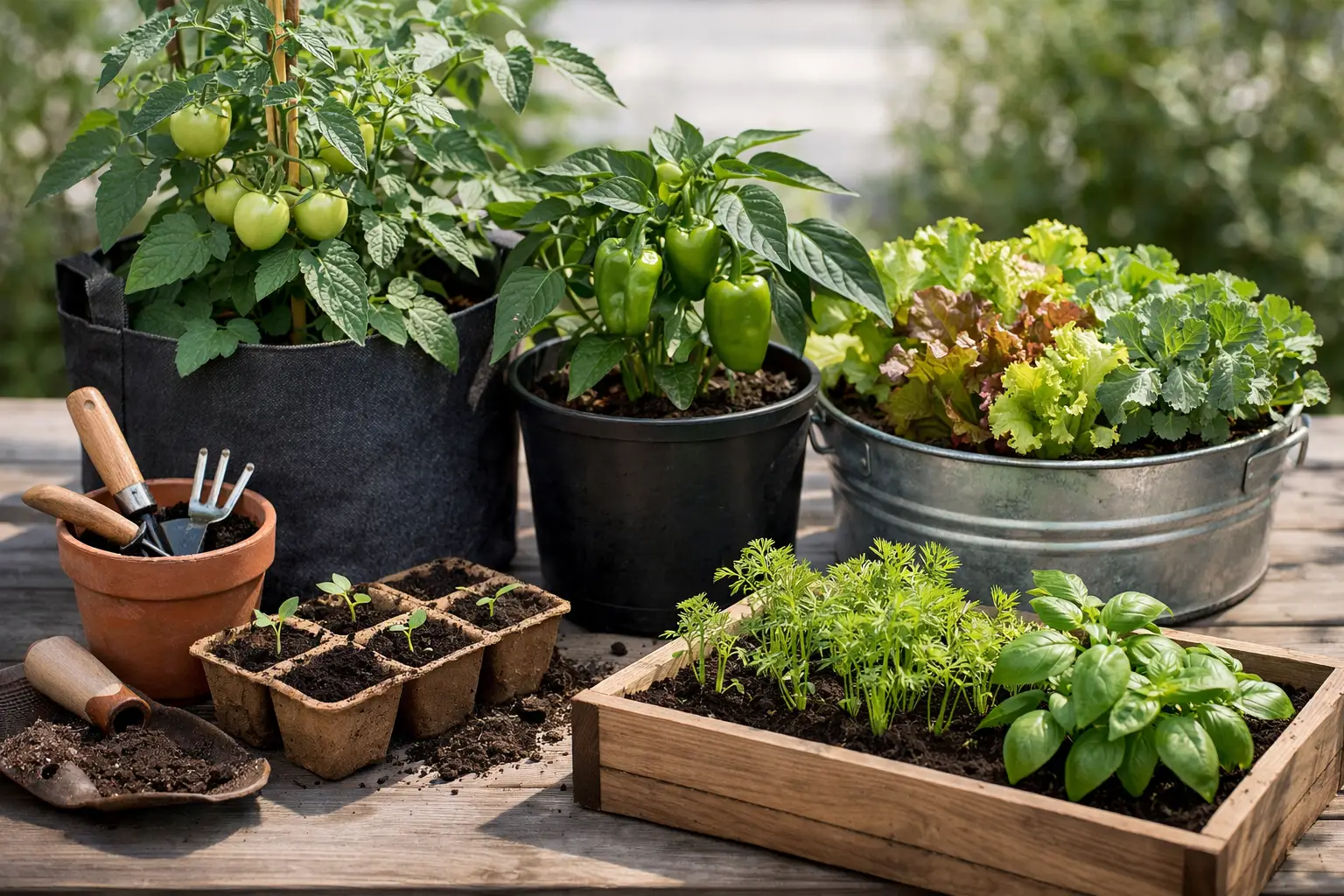
That sunny corner by the driveway, the back steps, or a small patio can do a lot more than hold a chair and a grill. If you have been wondering how to start container vegetables, the good news is you do not need a big yard or a complicated setup to grow something useful. You do need a smart start, especially on Long Island where spring weather can swing, summer heat can hit hard, and small outdoor spaces are common.
Container vegetable gardening works because it keeps things simple and flexible. You control the soil, you decide where the plants go, and you can move containers when weather or sunlight shifts. For homeowners who want fresh herbs, tomatoes, peppers, lettuce, or cucumbers without turning the whole backyard into a garden project, containers are often the easiest way in.
How to start container vegetables with the right setup
The biggest mistake beginners make is starting with containers that look good but do not support healthy growth. A pot has to do more than match your patio. It needs enough room for roots, proper drainage, and enough soil volume to hold moisture through warm days.
For most vegetables, bigger is better. Small pots dry out quickly and force roots into tight quarters. Tomatoes, peppers, eggplant, and cucumbers usually perform better in containers at least 12 to 18 inches wide, and larger is often even better. Lettuce, spinach, parsley, basil, and other compact crops can work in shallower containers, but they still need enough depth to stay evenly moist.
Drainage matters every time. If a container does not have drainage holes, it is likely to create soggy soil and stressed roots. That is one of the fastest ways to lose vegetable plants, especially after a stretch of rain. Clay pots breathe well but dry faster. Plastic and resin containers hold moisture longer and are often easier to move. There is no single perfect material. It depends on how much sun the area gets and how often you want to water.
The next piece is potting mix, not garden soil. This part matters more than many people expect. Garden soil gets heavy in containers, compacts over time, and can limit drainage. A quality potting mix stays lighter and gives roots the air and moisture balance they need. If you want strong early growth, start with fresh mix rather than reusing old soil that has already been depleted.
Pick vegetables that actually like container life
A good container garden starts with realistic plant choices. Not every vegetable is equally happy in a pot, and beginners usually get better results by choosing varieties that match their space instead of trying to grow everything at once.
Tomatoes are a favorite for a reason, but even here, type matters. Patio and bush varieties are often easier to manage than large indeterminate plants that keep growing and need tall support. Peppers are excellent in containers because they stay compact and produce well in warm weather. Herbs such as basil, parsley, thyme, rosemary, and chives are also reliable choices and fit naturally into smaller spaces.
Leafy greens are another strong option, especially in spring and early fall. Lettuce, arugula, kale, and spinach can grow well in window boxes or shallow planters as long as they get enough sun and moisture. Bush beans can do well in containers, while cucumbers may need a larger pot and a trellis. Zucchini is possible, but it takes up more room than many people expect, so it is not always the best first choice.
This is where restraint pays off. Starting with three or four crops you know your household will actually use is better than packing containers with every plant you see. A few healthy containers usually produce more than an overcrowded setup that struggles all season.
Sunlight decides a lot
If you are figuring out how to start container vegetables, start by watching the light before you buy anything. Most vegetable plants need at least six hours of direct sun, and fruiting crops like tomatoes, peppers, and cucumbers usually want more. If your space gets only morning sun or partial afternoon light, herbs and leafy greens may be the better fit.
One advantage of containers is mobility. If one part of the yard gets stronger sun in June than it did in April, you can adjust. If a wall or fence reflects too much heat in midsummer, you can move plants a few feet and spare them extra stress. That flexibility is a real advantage for patios, decks, and side yards where light changes through the season.
Pay attention to wind, too. Exposed spots can dry out containers faster and damage tender growth. A location that gets solid sun but some shelter often gives better results than a completely open area that bakes and dries every day.
Planting and spacing without crowding
Once you have your containers, mix, and plants, the goal is to set them up for steady growth, not instant fullness. It is tempting to cram a pot because it looks lush on day one, but vegetables need room for roots, airflow, and mature size.
Set transplants at the same depth they were growing in their nursery pots, with one exception many gardeners use for tomatoes. Tomatoes can be planted deeper because they root along the buried stem, which helps build a stronger plant. After planting, water thoroughly so the potting mix settles around the roots.
Support should go in early rather than later. Tomato cages, stakes, and small trellises are much easier to place at planting time than after roots spread. If you wait until the plant is large, it is easy to damage roots or stems while trying to add support.
Spacing depends on the crop and the container size. One tomato per large pot is usually enough. A pepper can often have its own medium-sized container. Herbs can sometimes share space, but only if their water needs are similar. Mint, for example, is better off in its own pot because it spreads aggressively.
Watering is the part that makes or breaks it
Most container vegetable problems come back to watering. Containers dry out faster than in-ground beds, especially in summer. On hot, breezy days, some may need water every day. During mild stretches, they may need less. The point is not to water on a rigid schedule. The point is to check.
Stick a finger into the potting mix. If the top inch feels dry, it is usually time to water. Water deeply until you see it draining from the bottom. Light surface watering encourages shallow roots and does not help much when temperatures climb.
There is a balance here. Constantly soaked soil is just as risky as dry soil. Tomatoes can split, peppers can stall, and roots can suffer if moisture swings too far in either direction. Larger containers help because they hold moisture longer and give you a bigger margin for error.
Mulch can help retain moisture, especially in larger pots. A light layer on top of the soil reduces surface drying and helps moderate heat. In peak summer, watering in the morning is usually the best move so plants are hydrated before the day warms up.
Feeding vegetables in pots
Container vegetables use up nutrients faster than plants in the ground. That does not mean you need a complicated feeding plan, but it does mean you should not expect potting mix alone to carry heavy feeders all season.
A starter fertilizer mixed in at planting can support early growth, and a regular feeding schedule through the growing season helps keep plants productive. Tomatoes, peppers, cucumbers, and other fruiting vegetables usually need more consistent feeding once they begin flowering and setting fruit. Leafy greens need nutrients too, but too much fertilizer can create lots of leaf growth without the balance you want in other crops.
It depends on the product you use, so follow label directions rather than guessing. More is not better. Overfeeding can burn roots or push weak, overly soft growth.
Expect a little trial and error
Even a well-planned container garden teaches you something the first season. Maybe a tomato variety gets too tall for your deck. Maybe basil thrives while lettuce bolts once summer heat settles in. That is normal. A good container garden is not about getting every choice perfect the first time. It is about learning what your space supports well and building from there.
If you want an easier first season, start with proven container performers and expand next year. Keep the setup manageable, especially if you are juggling work, family, and everything else that already fills the week. Fresh vegetables should feel rewarding, not like another oversized home project.
For Long Island gardeners, timing matters too. Cool-season crops can go in earlier, while warm-season vegetables should wait until temperatures are reliably settled. If you start with healthy plants, quality containers, and the right potting mix, you give yourself a much better shot at seeing real results instead of just good intentions.
A container vegetable garden does not need a huge footprint to be worth it. One strong tomato plant, a few pepper pots, and a container of herbs near the kitchen door can change how your outdoor space feels and how often you use what you grow. Start with what fits your sun, your schedule, and your appetite, and let the garden get bigger only if you want it to.