
Vegetable Starter Plants for Long Island
Vegetable starter plants make home gardening faster and easier on Long Island. Learn what to plant, when to plant, and how to get better results.
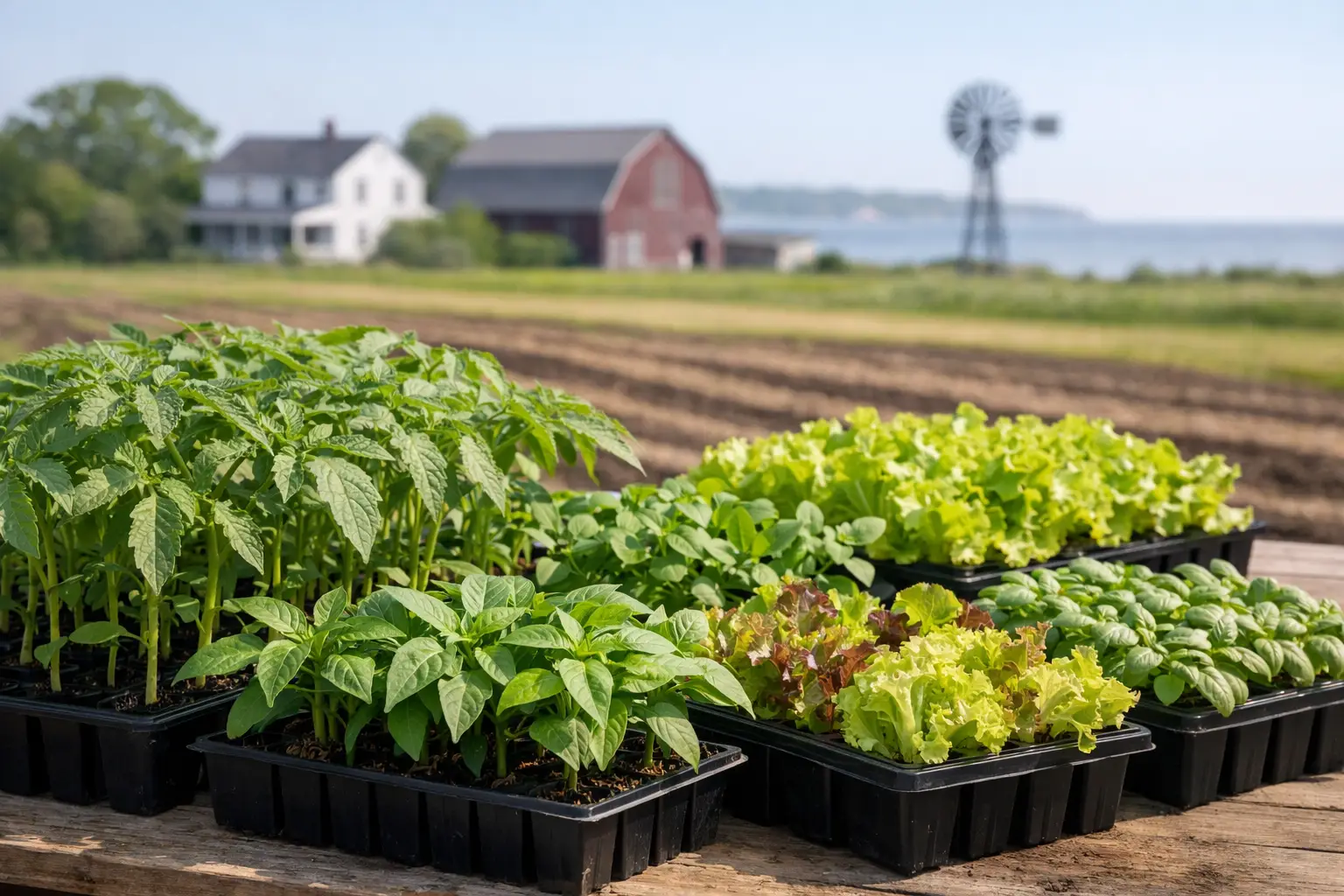
A tomato plant already loaded with healthy green growth tells you something right away - you are not starting from scratch. For many Long Island gardeners, vegetable starter plants are the fastest route to a productive backyard garden, a few containers on the patio, or a raised bed that actually fills in on time. When the season moves quickly and spring weather can shift from chilly to warm in a matter of days, starting with established young plants gives you a real advantage.
That advantage matters here. Nassau County gardeners often want results without waiting weeks for seeds to sprout, thin out, and catch up. Starter plants help shorten the gap between planting day and harvest day, and they also make gardening feel more approachable if you are new to growing food at home.
Why vegetable starter plants make sense
Seeds absolutely have their place, but they are not always the easiest choice for a busy homeowner. Some crops germinate slowly, some need steady warmth, and some are just easier to manage once they are already established. Vegetable starter plants remove a lot of guesswork from the early stage, which is often where people lose momentum.
They also let you plant with more confidence. You can see the structure of the plant, check the foliage color, and choose varieties that already look strong and well-rooted. That is especially helpful in spring, when everyone is eager to get growing but the timing can still be a little tricky.
For Long Island homes, starter plants are also practical because garden space varies so much. One customer may be filling several raised beds, while another is planting a handful of herbs and vegetables in containers near the back steps. In both cases, strong transplants help the garden look established much faster.
Best vegetable starter plants for local gardens
Not every vegetable performs the same way from a transplant, but many of the most popular home garden favorites do very well as starter plants. Tomatoes are usually at the top of the list, and for good reason. They benefit from a head start, they love warm weather, and they reward gardeners with heavy production when planted in the right spot.
Peppers are another smart choice. Bell peppers and hot peppers both tend to appreciate a longer growing season, so starting with developed plants gives them time to settle in and produce before late summer. Eggplant falls into that same category. It likes heat and does better when it is not asked to start from seed in cool outdoor conditions.
Cucumbers, zucchini, and squash can also be found as starter plants, though timing matters. These grow quickly, so you want healthy, compact young plants rather than oversized ones that have been sitting too long. Lettuce, kale, Swiss chard, and cabbage are useful picks for gardeners who want to mix warm-season and cool-season crops throughout the year.
Herbs often belong in the same conversation because they pair naturally with vegetables in beds and containers. Basil beside tomatoes, parsley near peppers, and rosemary in a sunny pot all make the garden more useful and more enjoyable.
When to plant on Long Island
This is where local knowledge really helps. Long Island spring weather can tempt people into planting too early, especially after a few warm afternoons. But nighttime temperatures still matter, particularly for heat-loving crops like tomatoes, peppers, eggplant, cucumbers, and basil.
Cool-season starter plants such as lettuce, broccoli, cabbage, and kale can usually handle earlier planting. They are often the first way gardeners get moving in spring. Warm-season vegetables should wait until the risk of cold nights has mostly passed and the soil has started to warm.
It depends on the season, of course. One year may open up early, while another stays cool longer than expected. That is why shopping locally for vegetable starter plants is so useful. You can choose from what is in season now rather than guessing months ahead.
What to look for when buying starter plants
A good starter plant should look sturdy, not stretched or weak. The leaves should have strong color, with no major yellowing, spotting, or insect damage. A compact shape is usually better than a tall, spindly one, especially with tomatoes and peppers.
Roots matter too, even if you cannot see them right away. Plants that have outgrown their pots may struggle to adapt after transplanting. If a plant is heavily root-bound, it may need extra attention to establish well. Younger, vigorous plants often catch up and outperform older-looking starts that seem bigger at first glance.
Variety is another part of the decision. Some gardeners want slicer tomatoes for sandwiches, while others are after cherry tomatoes for easy snacking. Some want mild peppers, others want heat. Choosing the right starter plants is not just about what grows well - it is about what your household will actually use.
Getting vegetable starter plants off to a strong start
The first few days after planting make a difference. Most vegetable plants want a site with plenty of sun, good drainage, and soil that has been improved with organic matter. If you are planting in containers, use a quality potting mix and make sure the pots are large enough to support full growth.
Water deeply after planting, then keep moisture consistent while the roots settle in. That does not mean soaking everything every day. Wet soil can be just as stressful as dry soil. The goal is even moisture, especially during the establishment period.
Tomatoes usually benefit from cages or stakes early, before they put on too much growth. Peppers appreciate warm, sunny placement and steady feeding. Leafy greens often do better when they are protected from the hottest part of midsummer. Every crop has its preferences, and small adjustments can make a big difference in how the season unfolds.
Beds, raised gardens, and containers
One of the best things about vegetable starter plants is how flexible they are. You do not need a large property to grow something worthwhile. Raised beds are popular because they warm up faster, drain well, and make spacing easier to manage. They also help create a more organized garden layout, which many homeowners appreciate.
Traditional in-ground gardens still work beautifully when the soil is prepared well. If you have the room, they offer plenty of planting space for larger crops like zucchini, cucumbers, and tomatoes.
Containers are often the easiest option for patios, stoops, and smaller backyards. Tomatoes, peppers, eggplant, lettuce, and many herbs can all perform well in pots if they get enough sun and regular water. The trade-off is that containers dry out faster and usually need more frequent feeding. Still, for convenience and accessibility, they are hard to beat.
A better fit for busy homeowners
A lot of people want the satisfaction of growing food without turning it into a full-time hobby. That is exactly where starter plants shine. They skip the indoor seed trays, grow lights, and early-season monitoring that seed starting often requires. You can plant them, care for them consistently, and start seeing progress right away.
That convenience is a real selling point for families balancing work, school, and home projects. It is also a smart choice for anyone refreshing their landscape and wanting the edible garden to feel like part of the overall property, not a separate project that demands constant troubleshooting.
For shoppers in West Hempstead and across Nassau County, Westminster Nursery offers the kind of seasonal selection that makes planning simpler. When you can shop vegetables, herbs, annual color, and the rest of your outdoor essentials in one stop, it becomes much easier to get the yard and garden moving at the right time.
Vegetable starter plants and seasonal success
The strongest gardens usually come from matching the right plant to the right moment. Starter plants help make that easier because they give you a visible, usable starting point. Instead of wondering whether a seed will emerge, you are working with a living plant that is already on its way.
There are still no guarantees in gardening. Weather shifts, watering habits, sun exposure, and spacing all influence the outcome. But healthy starter plants stack the odds in your favor, and that is often what turns a hopeful spring plan into a summer harvest that feels worth repeating.
If you want a garden that gets going quickly, fits your space, and feels manageable from day one, vegetable starter plants are one of the smartest ways to plant with confidence this season.