
12 Best Tropical Houseplants for Long Island Homes
Find the best tropical houseplants for bright rooms, cozy corners, and Long Island homes, plus straightforward care tips for lasting indoor color now.
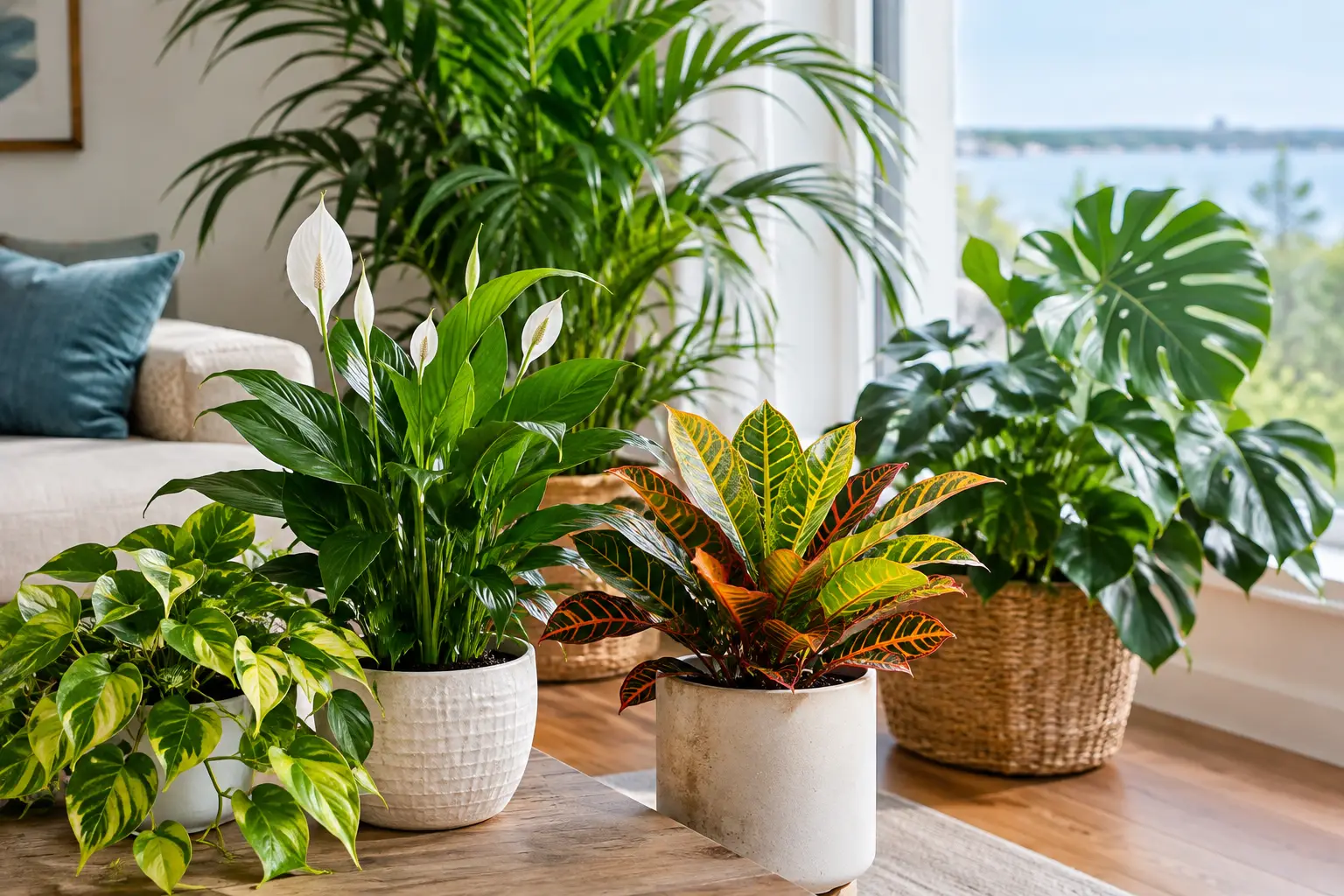
A bare corner beside the sofa, a sunny kitchen window, or an entryway that needs a little life can change completely with the right plant. The best tropical houseplants bring bold leaves, rich color, and a welcome sense of warmth indoors, even when a Long Island winter is doing its best outside. The key is not buying the biggest plant in the store. It is choosing one that suits the light, room size, and care routine you can realistically provide.
What Makes a Tropical Houseplant a Great Choice?
Tropical plants are popular because they offer more than green foliage. Many have oversized leaves, dramatic patterns, upright shapes, or trailing growth that makes a room feel finished. They also work across a range of home styles, from a bright sunroom to a more traditional living room.
Still, tropical does not automatically mean difficult. Some plants tolerate missed waterings and average household humidity better than others. Others reward a little more attention with spectacular foliage. Before choosing, notice where the plant will live. South- and west-facing windows usually offer the strongest light, while north-facing rooms and interior corners call for plants that handle lower light.
For homes with children or pets, check plant safety before bringing anything home. A beautiful plant should fit your household as comfortably as it fits your decor.
Best Tropical Houseplants for Every Room
Monstera deliciosa for a statement corner
Monstera is the plant people picture when they want a lush indoor look. Its large, split leaves make an immediate impact beside a sofa, in a dining room, or near a bright window. Give it bright, indirect light and water when the top few inches of soil feel dry.
A young monstera starts compact, but it can become a substantial plant with time. That is part of its appeal, but it is a real consideration for smaller rooms. Add a moss pole or support as it matures if you want taller, more dramatic growth.
Bird of paradise for bright, sunny rooms
Bird of paradise brings an architectural look with large paddle-shaped leaves and strong upright stems. It is an excellent choice for a room with abundant natural light, especially near a sunny window where it has space to spread.
This is not the plant for a dim hallway. In lower light, growth slows and leaves may lose their impressive scale. Rotate the pot every week or two so the plant grows evenly, and wipe broad leaves occasionally to keep dust from blocking light.
Fiddle leaf fig for a polished focal point
With tall stems and broad, violin-shaped leaves, fiddle leaf figs give living rooms and offices a clean, tailored look. They do best in bright, indirect light and prefer consistency. Sudden shifts in light, temperature, or watering can lead to dropped leaves.
If you enjoy checking in on your plants and can give one a dependable location, a fiddle leaf fig is a standout. If you tend to move plants from room to room or forget watering for long stretches, a more forgiving choice may be better.
Rubber plant for easy, glossy color
Rubber plants are a practical choice for homeowners who want a bold tropical look without a fussy care routine. Their thick, glossy leaves come in deep green, burgundy, and variegated forms, offering plenty of decorating options.
Place a rubber plant in medium to bright indirect light. Let the upper layer of soil dry before watering, and avoid leaving the pot sitting in water. It can grow into a handsome floor plant, but regular pruning helps keep it at a comfortable size.
Areca palm for soft, airy texture
An areca palm fills a room without feeling heavy. Its feathery fronds soften modern furniture, brighten entryways, and add movement to spaces that need a more relaxed look. It prefers bright, filtered light and evenly moist soil, though it should never stay soggy.
Palms appreciate humidity, which can be harder to maintain when indoor heat runs all winter. Grouping plants together can help, as can keeping the palm away from heating vents and cold window drafts. Brown leaf tips often point to dry air, inconsistent watering, or mineral-heavy water.
Parlor palm for lower-light spaces
For a quieter corner or an office that receives modest daylight, parlor palms are an excellent fit. They have a classic tropical appearance but are more adaptable than many larger palms. Their slender fronds look especially good in decorative pots or paired with a plant stand.
Parlor palms grow slowly, which is useful if you want a plant that will not quickly outgrow its spot. Water once the surface of the soil begins to dry, and keep it away from direct afternoon sun that can scorch the foliage.
Philodendron for flexible, fast-growing greenery
Philodendrons offer a lot of variety. Some climb, some trail, and some form full upright clumps. Heartleaf philodendrons are ideal for shelves and hanging planters, while larger varieties with sculptural leaves can anchor a side table or floor planter.
Most philodendrons prefer bright, indirect light but tolerate medium light well. Their forgiving nature makes them a smart starting point for newer plant owners. Allow the soil to dry slightly between waterings, and prune trailing stems if you prefer a fuller shape.
Pothos for shelves, baskets, and busy households
Pothos is one of the most dependable indoor plants for adding trailing greenery. Golden, marble, and neon varieties bring different leaf colors to the same easy-care habit. It looks great spilling from a hanging basket, cascading off a bookcase, or climbing a small trellis.
Pothos can handle lower light, although variegated types show their best color in brighter indirect conditions. It also gives clear signals when it needs a drink: leaves may look slightly limp, then perk up after a thorough watering.
Calathea for patterned foliage
Calatheas are chosen for their leaves, which may feature stripes, brushstroke patterns, or rich purple undersides. They are a strong choice when you want color and detail without relying on flowers. Their leaves often move slightly between day and night, adding a little personality to the room.
These plants prefer medium, indirect light, higher humidity, and soil that stays lightly moist. They can be more particular than pothos or rubber plants, so they suit someone willing to pay attention to moisture and placement. Keep them away from strong direct sun and drafts.
Croton for bright, bold color
Crotons bring shades of yellow, orange, red, and green that feel especially welcome when outdoor gardens are between seasons. Their colorful leaves make them natural choices for sunny kitchens, enclosed porches, and bright living spaces.
The trade-off is light. Crotons need a bright location to maintain their strongest color, and they dislike abrupt changes. Once you find a warm, well-lit spot, leave them there and water when the top inch of soil dries.
Anthurium for long-lasting blooms
Anthuriums combine glossy foliage with waxy, heart-shaped blooms in red, pink, white, or other colors depending on the variety. They make a room feel finished without requiring a large footprint, which is useful for tabletops, desks, and kitchen counters.
Bright, indirect light encourages flowering. Water when the top layer of soil dries, and make sure the pot drains well. With steady care, anthuriums can produce color for long stretches instead of offering a brief seasonal show.
Bromeliad for a colorful tabletop accent
Bromeliads create an instant focal point with rosettes of foliage and colorful central bracts. They are compact enough for side tables and counters, yet bright enough to stand out in a larger room. Most prefer bright, indirect light and a warm location.
Their watering needs differ slightly from many houseplants. Some types hold water in their central cup, while the soil should remain lightly moist rather than saturated. Ask which variety you are bringing home so you can match its care to its growth habit.
Set Your Tropical Plants Up for Success
The right pot and placement matter as much as the plant itself. Every container needs drainage, particularly for tropical plants that are vulnerable to root problems in wet soil. Use a quality indoor potting mix, and choose a pot only slightly larger than the root ball when repotting. An oversized pot stays wet longer and can create trouble.
Most of these plants prefer room-temperature water and stable indoor conditions. Keep foliage away from radiators, air conditioners, and cold glass in winter. Turn plants periodically, especially those near windows, so one side does not stretch toward the light.
Feed actively growing plants during spring and summer with an indoor plant fertilizer used according to the label. Growth naturally slows in fall and winter, so watering and feeding should slow down too. The goal is steady care, not constant attention.
Find the Right Plant for Your Home
When shopping, bring a quick photo of the room or note whether the space gets morning sun, afternoon sun, or mostly ambient light. That simple detail helps narrow down the right choice quickly. At Westminster Nursery, homeowners can explore tropical foliage, palms, flowering houseplants, decorative containers, and the seasonal color that makes every room feel more personal.
Choose the plant that fits the way you live, then give it a permanent place to settle in. A healthy tropical plant does more than fill an empty spot - it gives your home a living detail that gets better with every new leaf.