
How to Choose Hanging Baskets for Your Home
Learn how to choose hanging baskets for Long Island homes, matching sun, size, plants, color, and care needs for a display that lasts all season beautifully.
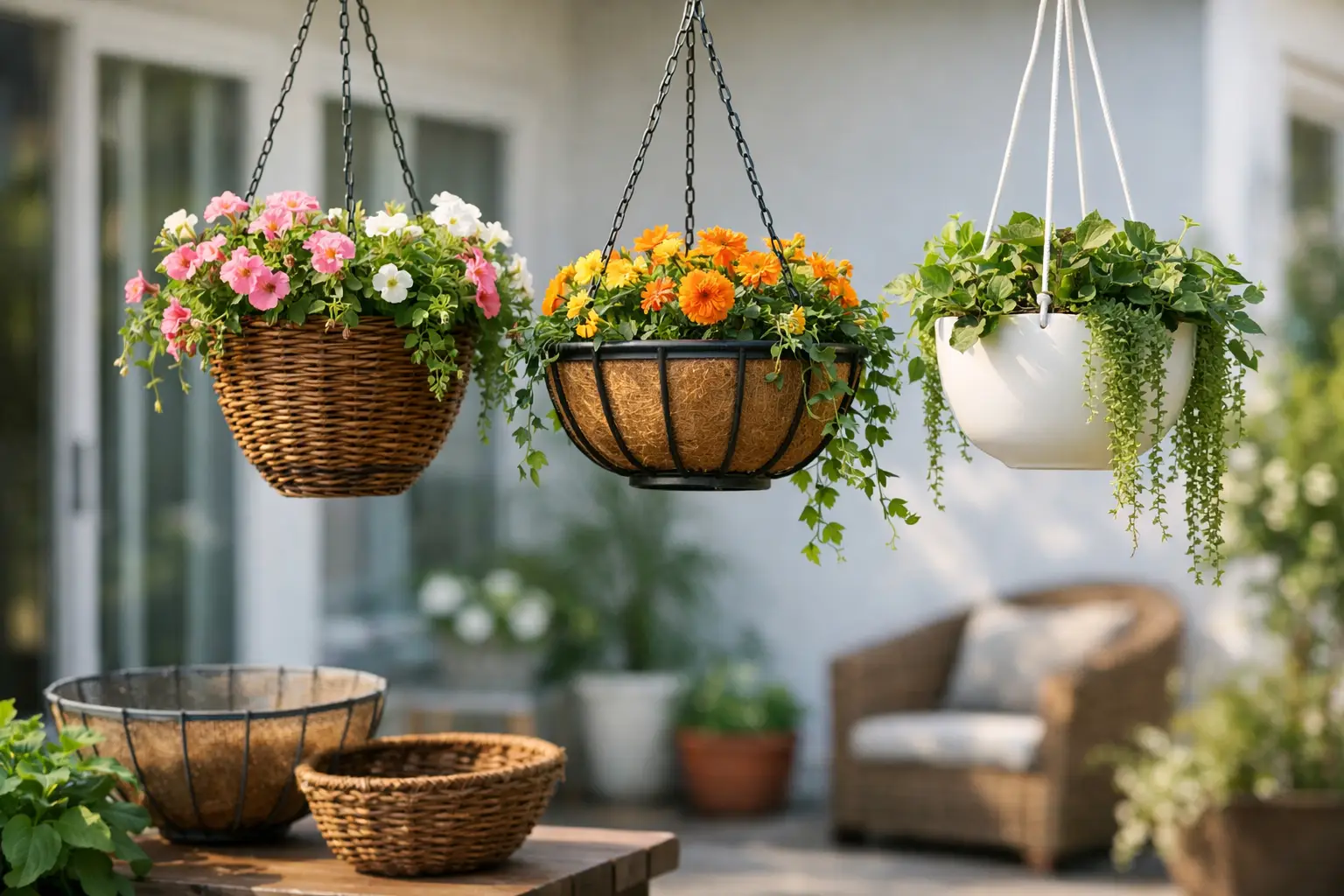
A hanging basket can make a front porch feel finished before a single guest reaches the door. But the basket that looks perfect at the garden center may struggle at home if it gets the wrong amount of sun, dries out too quickly, or disappears against your siding. Knowing how to choose hanging baskets comes down to matching the plants and container to the exact spot where they will live.
For Nassau County and Long Island homeowners, that means thinking beyond color. Summer heat, coastal breezes, shaded entryways, sprinkler coverage, and the time you realistically have for watering all affect how well a basket performs. A smart choice delivers the full, colorful look you want without becoming another daily chore.
How to Choose Hanging Baskets by Light
Start with the light, not the flower color. Spend a day observing the spot where the basket will hang. Morning sun is gentler than the intense afternoon sun that can bake a porch, deck, or mailbox area. A location that looks bright may still be shade if it receives little direct sunlight.
Full-sun baskets generally need at least six hours of direct sun. Petunias, calibrachoa, verbena, lantana, portulaca, and sun-loving geraniums bring strong color to these warm, open spaces. They are excellent choices for sunny front steps, fences, pergolas, and patios, provided they receive consistent water.
Part-sun locations get several hours of direct light, often in the morning or late afternoon. This is one of the most flexible conditions for hanging baskets. Many mixed annual baskets, begonias, impatiens, and certain trailing varieties can perform well here, depending on the specific plant mix.
For covered porches, north-facing entrances, and areas shaded by mature trees, choose plants made for shade. Impatiens, begonias, fuchsia, coleus, and trailing foliage combinations add color and texture without demanding harsh sun. A sun basket placed in shade will often grow thin and produce fewer flowers. A shade basket placed in full sun may wilt quickly, scorch, and lose its appeal well before the season is over.
Choose a Size That Suits the Space
Bigger hanging baskets make a faster visual impact, but they are heavier and require more water. Smaller baskets are easier to lift and hang, though they can dry out rapidly during a hot Long Island weekend. The right size depends on where the basket will be displayed and how much care it can receive.
A generous basket works beautifully at a front entrance with high ceilings, wide porch columns, or a substantial shepherd's hook. It holds more soil, supports a fuller plant combination, and creates the lush seasonal color many homeowners want near the front door. Just make sure the hook, bracket, or porch hardware is rated to hold the weight of a thoroughly watered basket, not just its weight on the day you bring it home.
Smaller baskets suit apartment patios, narrow stoops, compact decks, and areas where you want several coordinated displays rather than one large focal point. They can also be useful under an overhang, where a large basket might make the space feel crowded. Keep in mind that a small basket may need watering more than once a day during prolonged heat.
Before purchasing, look up. Check the height of the hook and the clearance around doors, railings, and walkways. The best basket is one that can trail and fill out naturally without brushing people as they pass or blocking the view from inside.
Pick Plants for the Look You Want
Hanging baskets do more than add flowers. They help set the tone for a home, whether you prefer bright summer color, a classic cottage-style entry, or a more polished, coordinated landscape. Choose a basket that complements your home and existing plantings rather than treating it as an isolated purchase.
For high-impact color, look for a basket built around one dominant bloom color, such as red, pink, purple, yellow, or white. Repeating that color in planters near the door or in nearby beds creates a unified look. White flowers are especially useful in shaded entries and evening spaces because they stay visible after sunset.
Mixed baskets bring more dimension. A well-designed combination often includes upright plants for height, mounding plants for fullness, and trailing varieties that soften the edge of the container. These baskets can look abundant from day one, making them a strong choice for parties, seasonal decorating, and immediate curb appeal.
Foliage-forward baskets are another smart option, especially in shade or for homeowners who prefer a look that stays consistent through changing weather. Coleus, sweet potato vine, ferns, and other textured plants can provide rich color even when flowers take a break. Green, burgundy, chartreuse, silver, and variegated leaves can be just as striking as blooms.
Check the Basket Before You Bring It Home
A full basket should look healthy from every angle, not only from the side facing the aisle. Gently examine the foliage and flowers. Leaves should be firm and well-colored, with no widespread yellowing, large brown patches, or signs of insects. A few spent flowers are normal, particularly on a heavily blooming basket, but the plant should have plenty of fresh buds ready to open.
Lift the basket carefully. It should feel substantial but not bone-dry. Soil that has pulled away from the edge of the container can signal that the basket has dried out repeatedly, making it harder to rehydrate. On the other hand, a basket that is dripping wet and very heavy may need a chance to drain before it is hung.
Also inspect the hanger, chain, and hook. Hardware should feel secure and balanced. If you are hanging a basket from a porch ceiling, use a sturdy hook installed into solid wood or appropriate support, not a decorative surface that cannot carry the load.
Match the Basket to Your Care Routine
The most successful hanging basket is not necessarily the showiest one. It is the one that fits your routine. Baskets have limited soil volume, so they dry out much faster than garden beds and large containers. Wind, direct sun, heat reflecting off pavement, and covered locations that miss rain can all increase watering needs.
If you enjoy daily garden care, a large sun-loving flowering basket can be a rewarding choice. Water deeply whenever the soil feels dry just below the surface, allowing excess water to drain. During hot stretches, check baskets every morning and again later in the day. Avoid relying on a rainstorm alone, especially if the basket hangs beneath a roofline.
If your schedule is busy or you travel often during summer, consider a larger container with more soil, a basket suited to part sun or shade, or a foliage-rich option that is less dependent on nonstop flowering. Location can help, too. A basket that gets morning sun and afternoon protection is often easier to maintain than one exposed to blazing sun from midday through evening.
Most flowering baskets benefit from regular feeding throughout the season. Use a fertilizer suited to flowering annuals according to its label directions, and remove faded blooms when needed. Some modern varieties are bred to keep blooming with minimal deadheading, but a quick weekly tidy-up helps any basket look more polished.
Plan for the Season, Not Just the First Weekend
A hanging basket should look good when you buy it, but it also needs room to grow. Early in the season, avoid placing baskets too close together. Small gaps can disappear quickly as trailing plants fill in. Give each basket enough space for air circulation and let the shapes develop naturally.
Spring conditions can be cool, while July and August can bring serious heat and humidity. If you purchase baskets early, watch the forecast and protect tender plants from an unexpected cold night. Later in the season, refresh a tired display by trimming back leggy stems, removing spent flowers, watering thoroughly, and feeding as needed. Many baskets respond with a new flush of growth.
For a front entry, consider changing your color palette as the season progresses. Bright spring combinations can give way to richer summer shades, then autumn-toned baskets and seasonal accents. This keeps your home looking cared for without requiring a complete landscape overhaul.
Get Local Guidance for the Right Match
Photos can inspire a look, but the conditions at your home determine whether it lasts. Bring a quick photo of your porch, deck, fence, or patio when you shop, along with a sense of how many hours of sun the area receives. That makes it much easier to select a basket with the right scale, colors, and plants for the setting.
At Westminster Nursery, homeowners can shop seasonal hanging baskets alongside annuals, tropicals, containers, and outdoor plant material, making it easier to coordinate a complete look for the property. If a larger refresh is on your list, the same local expertise can help connect a colorful entryway with beds, shrubs, privacy plantings, or a professionally designed landscape.
Choose the basket that suits your real conditions, hang it securely, and give it the attention its location requires. A well-matched display brings color overhead, welcomes visitors home, and makes even an ordinary Tuesday feel a little more like summer.