
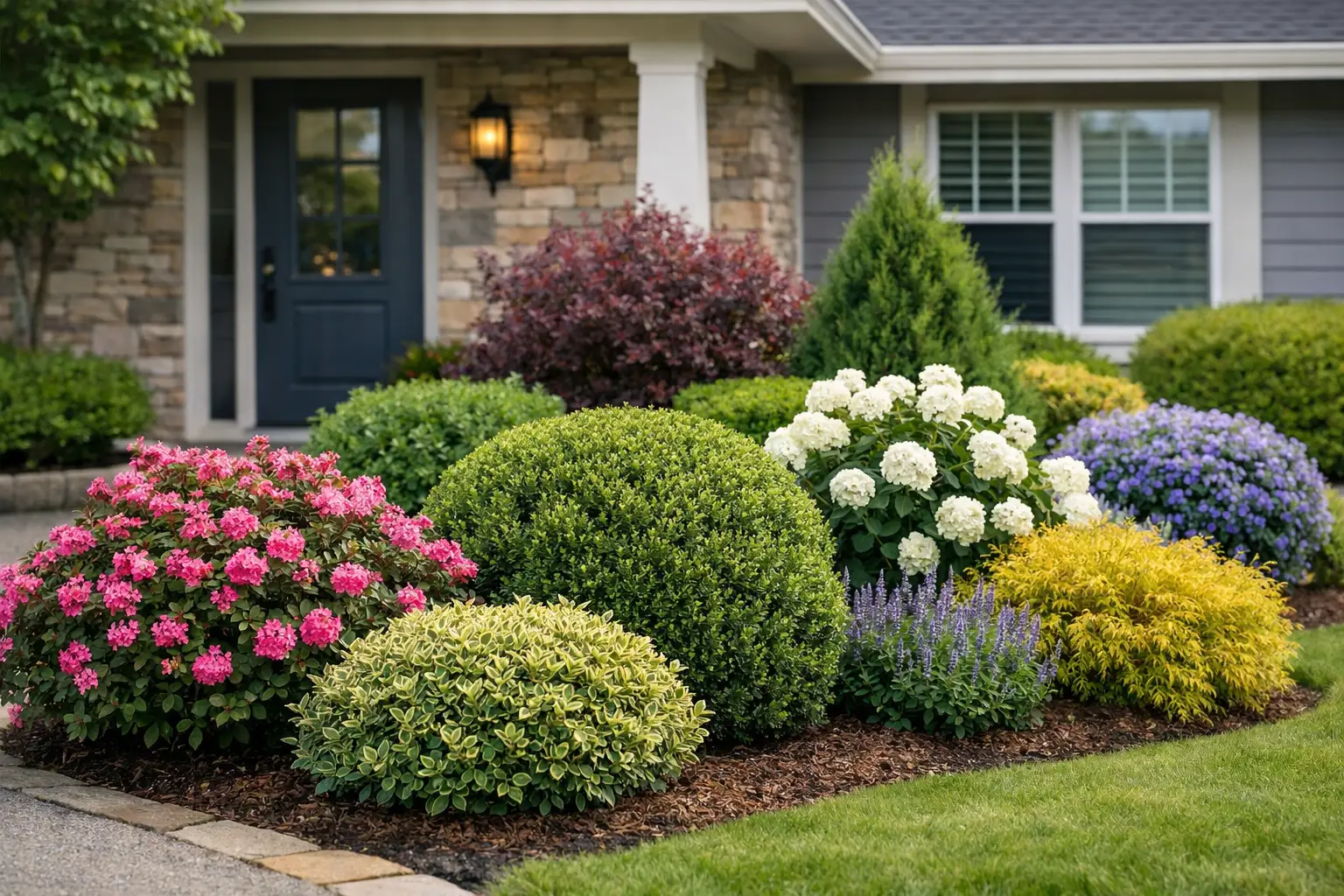
The front of your house does not need a full landscape overhaul to look sharper, cleaner, and more inviting. Often, the biggest visual upgrade comes from choosing the best shrubs for curb appeal – the plants that frame your entry, soften your foundation, and keep the property looking finished even when flowers come and go.
For Long Island homeowners, shrub selection is not just about looks. Salt exposure, winter wind, summer heat, deer pressure in some neighborhoods, and the size of a typical front yard all matter. The right shrub should fit your space, hold its shape well, and give you strong performance through more than one season.
What makes the best shrubs for curb appeal?
A curb appeal shrub earns its spot by doing at least two jobs well. It might provide evergreen structure and low maintenance, or it might deliver standout blooms and attractive foliage. The best choices usually look good from the street, from the walkway, and from inside the house looking out.
Scale matters as much as color. A shrub that looks great in a nursery pot can overwhelm a small foundation bed in just a few years. On the other hand, a plant that stays too low may disappear against your home. The strongest front-yard plantings usually mix a few dependable anchor shrubs with smaller accents and seasonal color around them.
12 best shrubs for curb appeal
Boxwood
Boxwood is a classic for a reason. It brings a clean, tailored look that works with traditional homes, newer builds, and everything in between. If you want your front yard to feel polished year-round, boxwood is one of the most reliable choices.
It works especially well along walkways, around entry beds, or as a repeating plant across the foundation. The trade-off is maintenance. Boxwood looks best with occasional shaping, and good air circulation matters to keep plants healthy.
Inkberry holly
If you like the neat evergreen look of boxwood but want a native option with a slightly softer texture, inkberry holly is worth a look. It stays useful in foundation beds, handles pruning well, and blends easily with flowering shrubs.
For homeowners who want structure without a stiff look, inkberry gives you that middle ground. It is especially helpful in landscapes that need dependable green color through winter.
Skip laurel
Skip laurel gives you broadleaf evergreen coverage with a fuller, richer look than many smaller shrubs. It is a strong choice when you want privacy near the front property line or a larger backdrop for lower plantings.
This is not the shrub for the tightest spaces, so placement matters. Given room, it creates a substantial, upscale look and stays attractive in every season.
Arborvitae
For vertical structure, arborvitae is hard to beat. It brings height without taking over too much width, which makes it useful near corners of the house, front property edges, or spots that need screening from the street.
The key is choosing the right variety for the space. Some stay compact and formal, while others grow tall enough to act as privacy hedging. In curb appeal planting, arborvitae often works best when used with restraint rather than lined up everywhere.
Hydrangea
Hydrangea is one of the most popular flowering shrubs for front yards because it delivers a big visual payoff. Large blooms, generous habit, and a long season of interest make it a natural focal point near entries and windows.
Panicle hydrangeas are especially practical for many Long Island landscapes because they are hardy, dependable, and easier to site in sunny areas. Mophead types offer that classic summer look, but they can be more particular depending on exposure and winter conditions. If you want flowers to do more of the work in your front yard, hydrangea belongs on the short list.
Azalea
Azaleas bring a burst of spring color that instantly wakes up the front of a house. When planted in groups, they create a strong seasonal statement without looking chaotic.
They are best used where their bloom show can be appreciated up close, such as along a front walk or near the porch. Outside bloom season, they rely more on foliage and form, so they are strongest when paired with evergreens that keep the bed grounded all year.
Rhododendron
Rhododendrons offer a broader, bolder presence than azaleas, with evergreen foliage that keeps working after the flowers fade. For homes that need more mass in foundation planting, they can make the landscape feel established quickly.
They do best in the right light and soil conditions, so this is one of those it-depends choices. In the right spot, they are impressive. In the wrong spot, they can struggle, which is why site selection matters as much as the plant itself.
Spirea
If you want color and reliability with minimal fuss, spirea is a practical choice. It stays relatively manageable, blooms well, and fits comfortably into smaller front-yard beds.
Many varieties also offer attractive foliage tones, which helps extend interest beyond flowering time. Spirea tends to feel more relaxed than formal, so it is a good fit for homeowners who want a landscape that looks lively but not overly clipped.
Weigela
Weigela brings arching branches, spring-to-early-summer blooms, and often colorful foliage in burgundy or variegated shades. It can add more personality than a purely green shrub mix, especially against light-colored siding or brick.
Because it has a looser habit, it works best when you want a softer, more welcoming look rather than a highly formal one. It is also useful for adding contrast in front beds that already have enough evergreen structure.
Dwarf loropetalum
For homeowners who want deeper foliage color, dwarf loropetalum can add a dramatic note. The burgundy leaves and fringe-like blooms stand out fast, which makes this shrub useful as an accent near entry points.
Its success depends on the microclimate and exposure, so it is not always the default choice for every front yard. But in a protected, suitable location, it can give a planting bed a fresh, updated look.
Potentilla
Potentilla is one of those hardworking shrubs that earns attention by staying colorful and easy to manage. Its cheerful blooms and compact form make it useful in smaller spaces or sunny beds that need dependable color.
It may not have the flashiest flower display compared with hydrangea, but it makes up for that with consistency. For homeowners who want low drama and steady performance, potentilla is a smart option.
Dwarf nandina or other compact foliage accents
Compact foliage shrubs can round out a curb appeal planting by adding texture and color variation without overwhelming the space. Depending on the variety, you may get red-toned new growth, compact mounding shape, or good seasonal color shift.
These shrubs are rarely the star of the landscape on their own, but they are often what makes the whole bed feel layered and complete.
How to choose shrubs for your front yard
The easiest mistake is shopping by flower color first and mature size second. In a front yard, size is usually the bigger issue. A shrub that wants to grow six to eight feet wide should not be squeezed into a three-foot foundation strip just because it looked good in bloom.
Think about the role each shrub needs to play. Evergreens give structure and winter presence. Flowering shrubs bring seasonal excitement. Compact fillers help tie the whole design together. The best-looking front yards usually combine all three rather than relying on one type only.
You should also think about maintenance honestly. If you enjoy a crisp, formal look, boxwood and other shaping-friendly shrubs make sense. If you want something more forgiving, hydrangea, spirea, and inkberry may fit your routine better.
A simple planting approach that looks finished
For most homes, a balanced front landscape starts with one or two anchor shrubs near corners or key entry points. From there, medium-sized flowering shrubs can fill the main bed, and smaller evergreens or foliage plants can edge the space and keep it tidy.
Repetition matters. Using the same shrub in a few places usually looks stronger than collecting one of everything. That is especially true in smaller Nassau County front yards, where too much variety can make the landscape feel busy instead of welcoming.
Mulch, crisp bed lines, and healthy spacing do just as much for curb appeal as the plants themselves. Even the best shrub mix loses impact if plants are crowded or installed without a clear layout.
When professional guidance makes the difference
Shrubs are long-term plants, so the right choice upfront saves time and replacement costs later. If you are reworking a front foundation, adding privacy near the street, or trying to modernize an older planting, it helps to choose from varieties that match local conditions and the scale of your property.
At Westminster Nursery, homeowners across West Hempstead, Nassau County, and Long Island can shop a wide selection of shrubs, privacy hedges, and landscape material with guidance that is practical and local. If you want help going beyond plant selection, professional design, installation, and maintenance can make the entire project easier to plan and easier to keep looking good.
A better front yard does not usually start with more plants. It starts with the right shrubs in the right places, so every season the house looks more cared for the moment you pull into the driveway.