
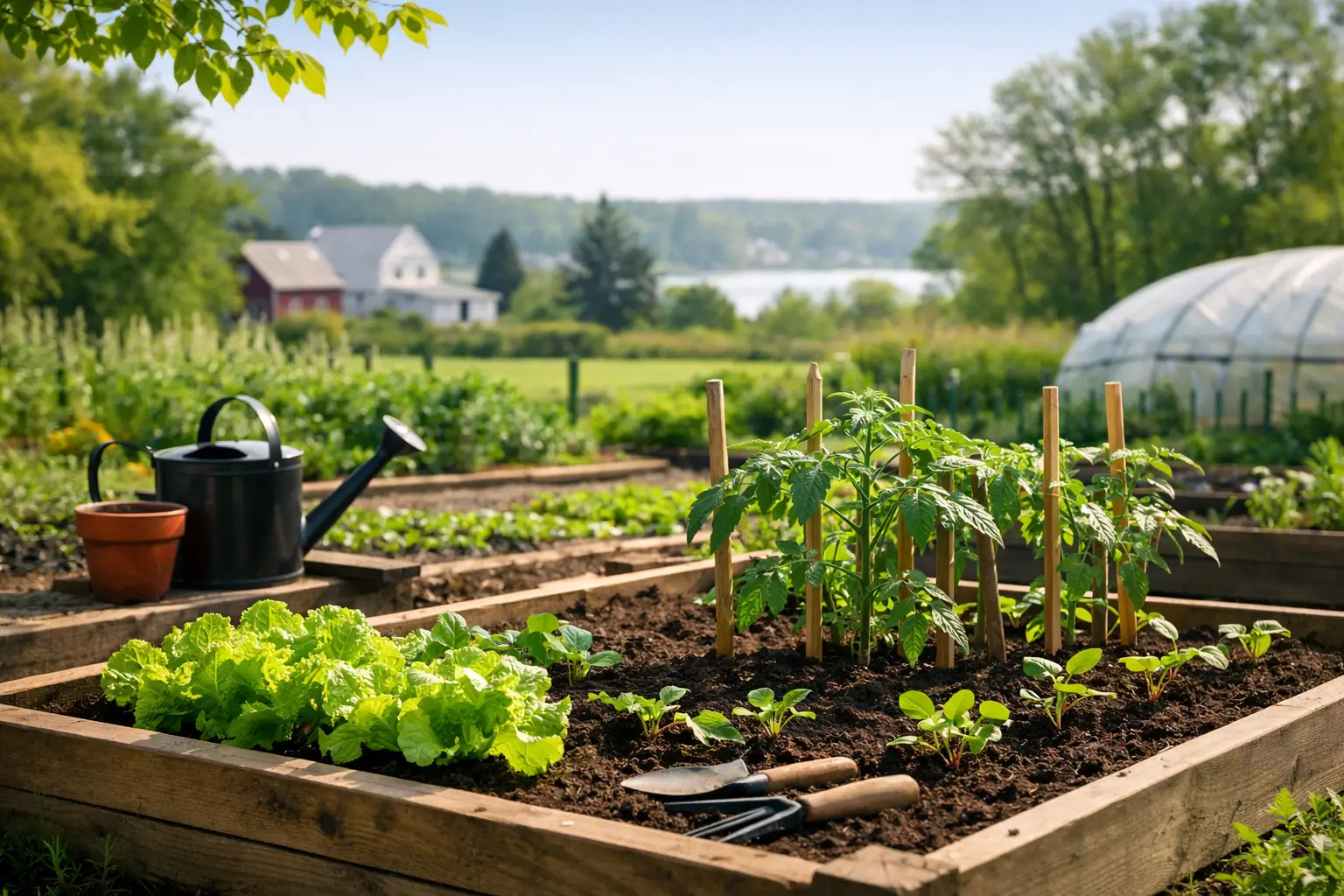
A tomato plant set out one warm April afternoon can look perfectly happy – right up until a cold night stalls it for weeks. That is why knowing when to plant vegetable garden crops matters so much on Long Island. The calendar helps, but local weather, soil temperature, and the kind of vegetable you want to grow matter just as much.
For homeowners across Nassau County and the broader Long Island area, timing is the difference between a garden that takes off and one that struggles early. Some vegetables want cool spring air and can handle a chill. Others need genuinely warm soil and stable overnight temperatures before they should go in. If you plant everything at once, you usually end up helping a few crops and setting back the rest.
When to plant vegetable garden crops on Long Island
On Long Island, the safest general rule is to split your planting season into two groups: cool-season vegetables and warm-season vegetables. Cool-season crops can usually be planted in early spring, often from March into April depending on conditions. Warm-season crops are better planted later, usually after the danger of frost has passed and the soil has had time to warm up.
That split is more useful than chasing one single date. Our region can swing from mild to cold quickly in spring, and one pleasant weekend does not mean summer vegetables are ready to live outside. Gardeners who wait for the right window usually see stronger roots, faster growth, and fewer setbacks.
Start with your local frost date, then adjust
For most Long Island gardeners, the average last spring frost often falls somewhere around mid-April to late April, depending on your exact location and the season. That gives you a starting point, not a guarantee. A sheltered backyard in one neighborhood may warm up faster than an exposed yard a few miles away.
This is where experience and observation come in. If the soil is still cold and soggy, it is too early for heat-loving vegetables even if the date looks right on paper. If nights are dropping into the 40s, crops like tomatoes, peppers, eggplant, cucumbers, and basil may survive, but they are not going to thrive. Waiting a little longer often puts you ahead.
For many local gardeners, Mother’s Day weekend becomes a practical target for planting the tender summer garden. It is not a magic date, but it is often a safer one for warm-season vegetables than the first nice day in April.
Cool-season vegetables can go in first
Cool-season vegetables are the early starters of the vegetable garden. These crops prefer the mild weather of spring and, in many cases, can tolerate light frost. On Long Island, this group often includes lettuce, spinach, kale, Swiss chard, peas, onions, broccoli, cabbage, cauliflower, radishes, carrots, and beets.
Many of these can go into the garden in early spring once the soil can be worked and is not waterlogged. That usually means sometime in March or April, depending on the season. Root crops and leafy greens are especially good choices for early planting because they do not need summer heat to perform well.
There is a trade-off, though. Planting too early into wet, compacted soil can lead to poor germination, rot, or slow root development. If the bed feels heavy and muddy, wait. A week or two of patience is usually better than forcing the season.
Warm-season vegetables need real warmth
When people picture a backyard vegetable garden, they are often thinking of warm-season favorites: tomatoes, peppers, eggplant, zucchini, cucumbers, squash, beans, basil, and melons. These crops are far less forgiving about timing.
For this group, air temperature matters, but soil temperature matters even more. Tomatoes and peppers planted into cold ground tend to sulk. Cucumbers and squash can stall or become vulnerable to stress before they really start growing. If nights are still cool, these plants often sit still instead of rooting in.
That is why late April can still be too early in some years, while early to mid-May is often a more dependable planting window for tender vegetables on Long Island. In cooler springs, even the third week of May can make more sense for crops that crave heat.
Seed, transplant, or both?
When deciding when to plant vegetable garden varieties, it also helps to think about how you are planting them. Some vegetables are commonly direct sown from seed into the garden, while others are better started as young plants and transplanted.
Beans, peas, carrots, radishes, beets, and many greens are often direct sown. These are simple, practical choices for gardeners who want quick results and less fuss. Tomatoes, peppers, eggplant, and many herbs are typically planted as established starter plants because they need a longer growing season and more head start.
That means your garden schedule is not one-size-fits-all. You may sow spinach and peas early, then come back weeks later to plant tomatoes and peppers. That staggered approach is not a sign you are behind. It is exactly how a productive vegetable garden is supposed to come together.
Watch the soil, not just the calendar
One of the most common planting mistakes is treating a warm weekend like a green light for everything. The better move is to pay attention to the condition of the soil. If it crumbles in your hand instead of clumping into a wet mass, that is a good sign. If it feels icy cold in the top few inches, warm-season crops should wait.
Raised beds usually warm faster than in-ground gardens, so they can sometimes be planted a bit earlier. Containers also heat up quickly, although they dry out faster later in the season. A yard near the water may stay cooler longer in spring, while a protected, sunny backyard can move a little faster.
These small differences are why local guidance matters. Long Island is not one perfectly uniform growing zone, and successful planting dates can vary even within the same county.
What to plant by season
Early spring is best for greens, peas, onions, broccoli, cabbage, carrots, beets, and radishes. Mid-spring is a transition period when gardeners continue with cool-season crops and begin preparing beds for summer planting. After frost danger has eased and nights stay milder, it is time for tomatoes, peppers, eggplant, cucumbers, squash, beans, and basil.
You can also think in terms of replacement planting. Once spring lettuce bolts or radishes finish up, that space can be reused for summer crops. Later in the season, many gardeners circle back and plant another round of greens for fall. A vegetable garden does not need to be planted all at once to be full and productive.
A few timing mistakes that cost gardeners the season
The first is rushing tender vegetables outside too early because garden centers are full of beautiful plants. Healthy tomato and pepper plants are exciting to shop for, but that does not always mean the weather is ready for them. The second is waiting too long on spring crops like spinach or peas, which prefer cool conditions and can fade fast once the heat arrives.
Another common issue is planting without considering mature size and harvest window. If every crop goes in on the same day, everything may need attention at once. Spacing out your planting creates a steadier garden and a steadier harvest.
Shop for the season you are in
The easiest way to stay on track is to shop for vegetables and herbs that match the current planting window. In early spring, that means focusing on cool-season starters and seeds. As temperatures settle, it makes sense to shift toward tomatoes, peppers, cucumbers, squash, herbs, and all the summer garden favorites.
At Westminster Nursery, local gardeners can shop the season as it unfolds, with vegetable plants, herbs, garden essentials, and the kind of practical guidance that helps you plant with confidence instead of guesswork. That matters when spring weather changes quickly and every week can shift what makes sense in the garden.
If you are planting this season, give yourself permission to be a little strategic. The best vegetable gardens on Long Island are rarely the earliest planted – they are the ones planted at the right time.