
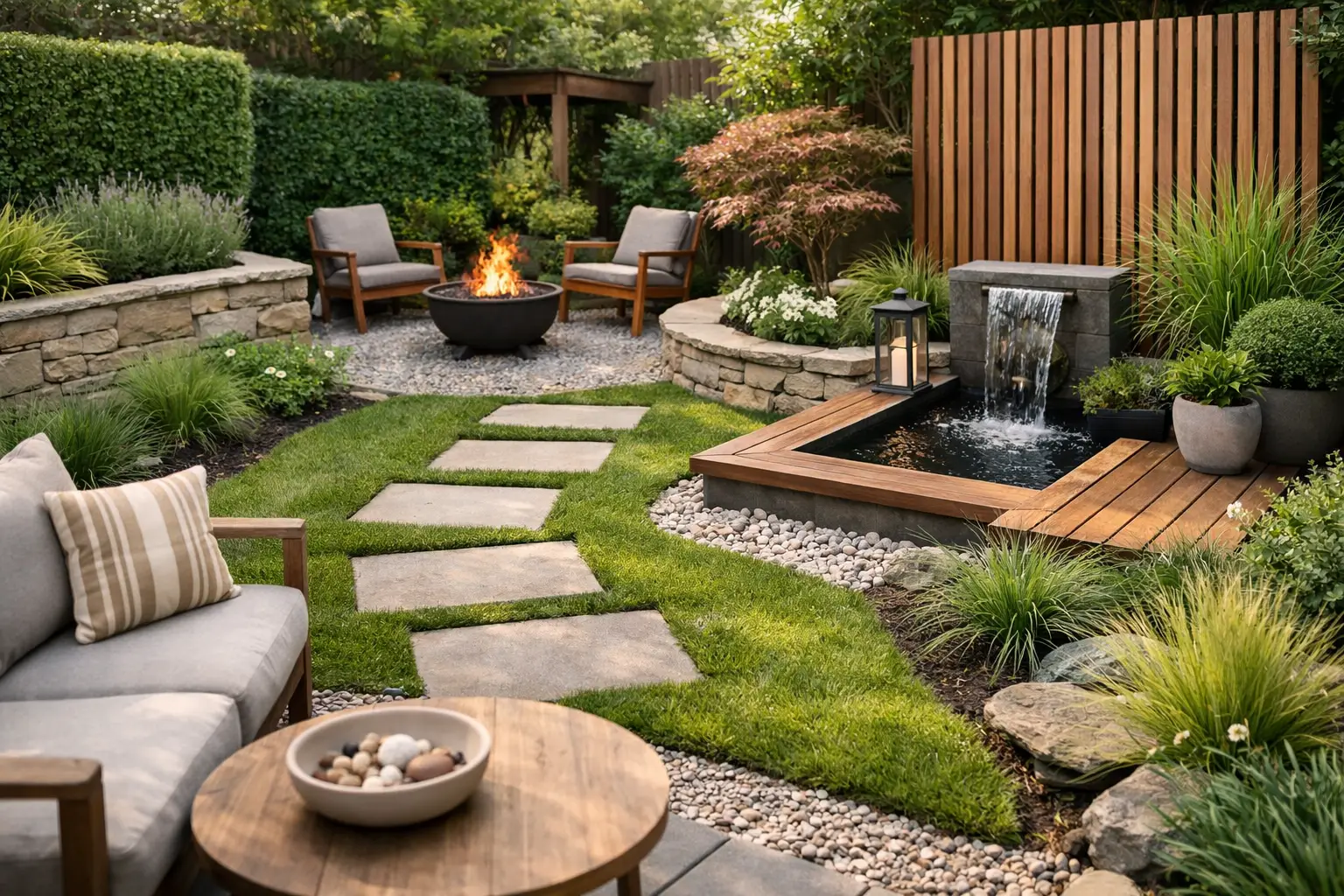
A small yard usually has one frustrating habit – it shows every decision. One oversized shrub, one awkward patio, or one empty corner can make the whole space feel off. The good news is that the best landscape design ideas for small yard spaces are not about cramming in more. They are about making each square foot work harder, look cleaner, and feel more inviting from the street to the back fence.
On Long Island, small yards often have to do a lot at once. They need curb appeal, a little privacy, room for entertaining, and plantings that hold up through real seasons. That means the smartest designs balance beauty with purpose. When the layout is right, even a compact property can feel polished and surprisingly spacious.
Start with shape, not just plants
Many homeowners begin by shopping for flowers or shrubs, but small-yard design works better when you start with the bones of the space. Think about how people move through it, what you see from the house, and which areas feel tight or underused. A narrow side yard, a shallow front bed, or a small backyard patio each needs a different approach.
Curved bed lines can soften a boxy lot, but they are not always the best answer. In a very compact yard, clean edges and simple geometry often look more intentional. Straight planting beds, defined corners, and a clearly framed patio can make a small space feel organized instead of crowded. If your property already has strong lines from fencing, walkways, or the home itself, repeating those shapes usually creates a more finished look.
Landscape design ideas for small yard privacy
Privacy is one of the biggest priorities in Nassau County neighborhoods, but bulky screening can eat up valuable room. The better move is to choose plant material that gives coverage without overwhelming the space.
Columnar evergreens and carefully spaced privacy hedges can create definition while keeping the yard usable. Arborvitaes, Green Giants, Leyland cypress, and skip laurels are popular choices when homeowners want screening that feels green and substantial. What works best depends on how much width you have, how fast you want coverage, and how much maintenance you are comfortable with. A fast grower fills in sooner, but it may also need more pruning to keep it in scale.
Layering helps here too. Instead of relying on one solid wall of plants, combine a hedge with lower flowering shrubs or perennials in front. That adds depth, softens the look, and keeps the space from feeling closed in.
Use fewer plant varieties, not more
Small yards do not benefit from a little bit of everything. Too many colors, textures, and heights can make the landscape look busy fast. A tighter plant palette usually feels more upscale and easier to maintain.
That does not mean the yard has to be boring. It means picking a few dependable performers and repeating them. For example, one evergreen anchor shrub, one flowering shrub, one ornamental grass, and one seasonal color family can be plenty. Repetition gives the eye a place to rest, and it makes the whole design feel larger and more cohesive.
If you love seasonal interest, rotate annual color in containers or front bed pockets instead of redesigning the whole yard each season. That gives you flexibility without turning the landscape into a patchwork.
Make the patio fit the yard
One of the most useful landscape design ideas for small yard living is to scale the hardscape correctly. Homeowners often assume bigger is better for entertaining, but in a compact yard, a patio that takes over the property can leave no room for planting, screening, or visual balance.
A patio should fit the furniture you actually use. If you need a dining table for six, plan for that. If you mostly want two lounge chairs and a fire pit area, build around that instead. The goal is to create a destination without paving every inch.
Small patios also look better when they connect cleanly to the home and the surrounding beds. Border plantings, built-in edges, and a clear transition from stone to lawn or mulch make the space feel designed instead of dropped in place.
Create one focal point
A compact yard can only support so many stars. Pick one focal point and let the rest of the design support it. That focal point might be a flowering ornamental tree, a decorative container arrangement by the front walk, a crisp entry planting, or a small seating area framed with evergreens.
This is especially effective in front yards. A beautiful specimen tree or layered foundation bed can draw attention to the home and away from the lot size. In backyards, a focal point helps the eye travel outward, which can make the whole space feel deeper.
The trick is restraint. If every corner has a statement piece, nothing stands out.
Work vertically wherever you can
When square footage is limited, height becomes your friend. Vertical interest keeps the yard from feeling flat and helps maximize planting space without shrinking usable ground area.
That can mean upright evergreens, raised planters, trellised vines, or tall seasonal containers near an entry or patio. Even layered foundation plantings can create a vertical effect when they step from low perennials to medium shrubs to a taller accent. This kind of structure adds dimension and makes a small landscape feel more complete.
Vertical design also works well for softening fences and property lines. Instead of treating those edges as dead space, use them as part of the composition.
Keep the lawn intentional
A small yard does not always need a large lawn, but a little open green space can be valuable. It gives the eye a break, creates room for kids or pets, and helps nearby plantings stand out. The key is to make the lawn shape intentional rather than leftover.
A neatly framed rectangle or soft oval often looks better than narrow strips of grass squeezed between beds and fences. If the lawn area is too small to serve a purpose, it may be better replaced with planting beds, groundcover, or a sitting area. There is no rule that says every yard needs grass in the same proportion.
Use containers to add flexibility
Containers are one of the easiest ways to give a small yard a polished, seasonal look. They bring color close to entrances, patios, and pool areas, and they let you change the feel of the space throughout the year.
For small properties, containers also solve layout problems. They can mark transitions, anchor corners, and add impact where in-ground planting space is limited. A pair of planted pots at the front door can do more for curb appeal than a scattered mix of small annuals across the yard.
This is also where seasonal shopping becomes fun. Spring annuals, summer tropicals, fall color, and holiday greens can keep the property looking fresh without major landscape changes.
Light the yard so it feels bigger at night
Outdoor lighting does more than improve visibility. In a small yard, it can extend how the space feels after sunset. Path lights, uplighting on a specimen tree, or gentle lighting around a patio can make the landscape feel layered and more expansive.
The best approach is subtle. You want to highlight structure, not flood the yard with brightness. Focus on the entry, any changes in elevation, seating areas, and one or two key plantings. Good lighting adds atmosphere and makes a compact space feel finished.
Match the design to your maintenance level
Some small yards are easy because they are small. Others are surprisingly high-maintenance because they pack in too many fussy elements. Before choosing plants and features, be realistic about how much upkeep you want.
If you enjoy gardening, a layered mix of perennials, flowering shrubs, and seasonal color may be a great fit. If you want strong curb appeal with less hands-on work, lean more heavily on evergreens, mulched beds, and durable shrubs with a clean structure. Neither approach is wrong. The right choice depends on how you live with the space.
That is where local guidance matters. Plant selection, spacing, and long-term growth can make or break a small-yard design, especially when every few feet count.
Think in seasons, not just spring
The strongest small-yard landscapes stay attractive beyond one bloom cycle. Spring flowers are great, but a yard should still have presence in summer, fall, and winter.
Evergreens provide structure when everything else fades. Ornamental grasses and shrubs can add movement and texture late in the season. Seasonal containers and holiday accents can keep an entry feeling active even when the garden is quieter. A design that considers all four seasons will always feel more substantial than one built around a single moment.
For homeowners looking to refresh a compact property, that blend of plant material, hardscape, and seasonal color makes a noticeable difference. A well-planned small yard can feel welcoming, practical, and full of character without ever feeling overcrowded. If your space has been hard to figure out, start with one clear idea and build from there. The right design does not need more room. It just needs better use of the room you already have.