
Why Are My Herbs Dying? Fix Common Causes
Why are my herbs dying? Diagnose watering, light, soil, pests, and temperature stress so your kitchen herbs can recover and keep producing at home today.
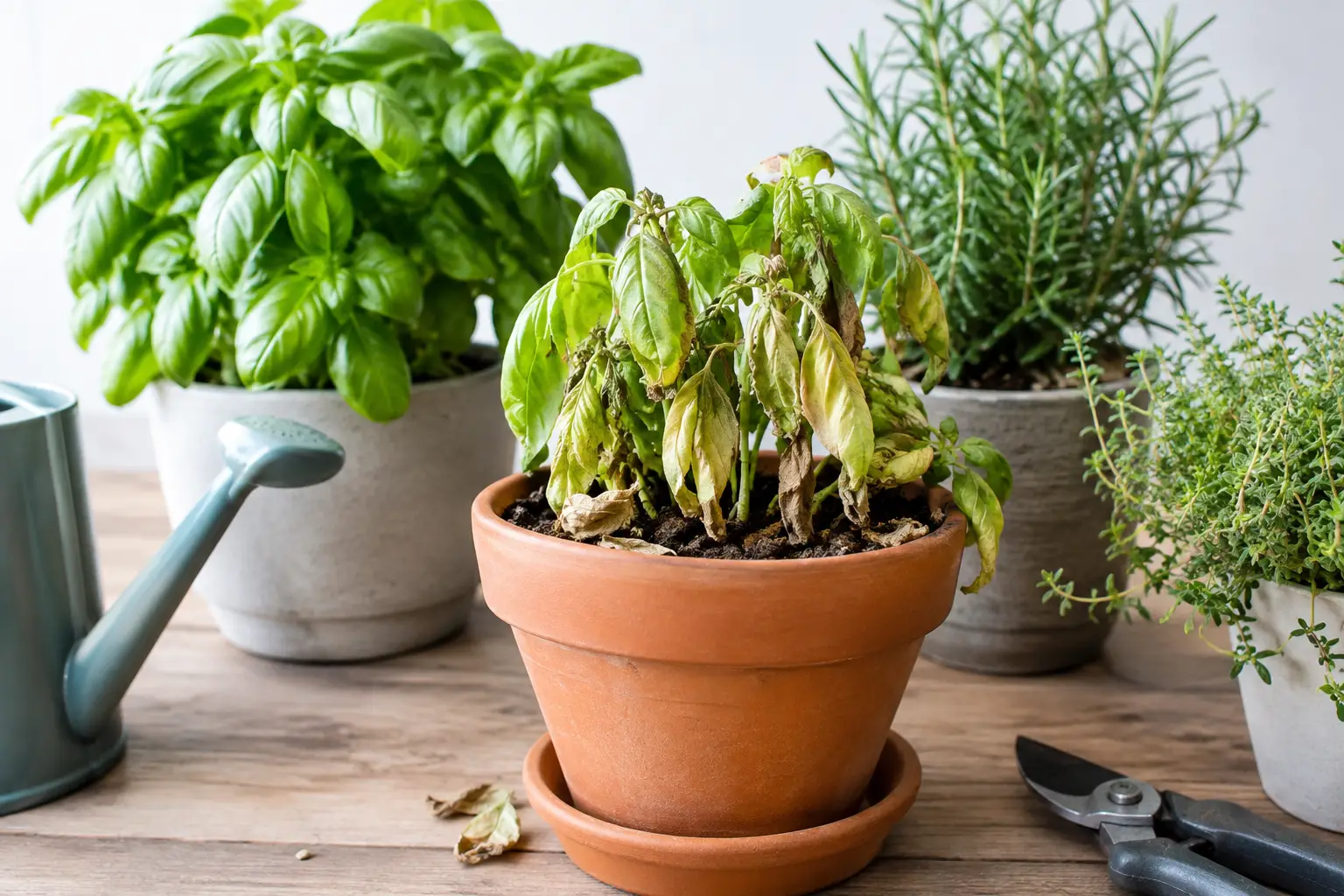
A basil plant can look perfect on Saturday and collapse into a sad, drooping tangle by Monday. That fast decline is why the question, “why are my herbs dying,” is so frustrating for Long Island gardeners. Herbs are productive, flavorful plants, but many have very particular ideas about sun, water, drainage, and temperature. The good news is that a struggling herb usually gives clues before it is beyond saving.
Why Are My Herbs Dying? Start With the Symptoms
Before changing everything at once, look closely at the leaves, stems, soil, and location. A wilted plant does not always need water. In fact, wilted herbs can be dry, overwatered, root-bound, chilled, or stressed by a sudden move from indoors to full sun.
Feel the soil about an inch below the surface. If it is dry and pulling away from the edge of the pot, thirst is likely the problem. If it feels wet, heavy, or sour-smelling, too much moisture may be affecting the roots. Check whether the pot has a drainage hole and whether it is sitting in a saucer filled with water.
Leaf color helps narrow it down. Yellow leaves often point to overwatering, poor drainage, or low light. Crispy brown edges usually mean the plant dried out too far or was exposed to hot, drying wind. Pale, stretched stems tell you the herb wants more direct light. Speckled leaves, sticky residue, or fine webbing can signal insect activity.
Watering Problems: Too Much Is Often Worse Than Too Little
Most herbs prefer soil that dries slightly between waterings. Constantly wet soil leaves little oxygen around the roots, which can lead to root rot. Once roots begin to fail, the plant may wilt even though the pot is wet. It is an easy mistake to make because the wilt looks like thirst.
Water thoroughly when the soil needs it, then allow excess water to drain away. Do not water on a strict calendar. A sunny patio container may dry quickly during a warm July week, while an indoor pot near a cool window may stay damp much longer. Check the soil first, then water.
Basil, parsley, cilantro, and mint generally appreciate more consistent moisture than rosemary, thyme, oregano, and lavender. Mediterranean herbs dislike having wet feet. For rosemary or thyme, a lighter hand with the watering can is usually the safer choice.
Container size matters, too. A tiny pot can dry out in a single hot afternoon, especially when it holds a thirsty basil plant. On the other hand, a very large pot holding a small plant can remain wet around its roots for too long. Choose a container that gives the root ball room to grow without surrounding it with a huge volume of soggy soil.
Your Herbs May Need More Sun Than You Think
Herbs grown for flavorful leaves need energy. For most varieties, that means at least six hours of direct sun outdoors. Basil, rosemary, oregano, thyme, sage, and chives are especially productive in a bright, sunny spot. If plants are leaning toward a window, developing long bare stems, or producing small, pale leaves, they are not receiving enough light.
Indoor herb gardens can be challenging because even a bright room may not provide the intensity plants receive outdoors. Place herbs at the sunniest available window, ideally one with strong southern or western exposure. Rotate the pot every few days so growth stays even. If your home does not get enough direct sun, a dedicated plant light can make a noticeable difference.
There is one trade-off. A plant brought straight from a sheltered indoor location into full outdoor sun can scorch. Introduce it gradually over several days, starting with morning sun or filtered light. This adjustment period is particularly helpful for basil and parsley purchased early in the season.
Soil and Drainage Can Quietly Damage Healthy Herbs
Garden soil is not always suitable for containers. It can become compacted in a pot, making it difficult for water and air to move around the roots. Use a quality potting mix for potted herbs, and make sure every container has a clear drainage hole.
For rosemary, lavender, thyme, sage, and oregano, a fast-draining mix is essential. These plants are adapted to leaner, drier conditions and often suffer in dense, moisture-holding soil. Basil and parsley can handle richer soil, but they still need drainage. Adding more fertilizer will not solve a root problem caused by soggy soil.
In the garden, heavy Long Island soil may hold water after rain. If herbs repeatedly decline in one bed, improve the planting area with compost and choose a location that does not stay saturated. Raised beds and containers can also give you more control over drainage.
Heat, Cold, and Wind Can Shock Tender Herbs
Not every herb has the same tolerance for changing weather. Basil is a warm-season favorite that can darken, droop, and stop growing when nights are chilly. It should not be rushed outdoors during an unsettled spring stretch. Cilantro and parsley tolerate cooler weather better, while rosemary may struggle when winter temperatures arrive.
Summer heat has its own effect. Pots on a sunny deck, driveway, or patio can heat up quickly, causing roots to dry out faster than expected. Water in the morning when possible, and keep containers where they receive the sun they need without being blasted by reflected heat all day. During an intense heat wave, basil may appreciate light afternoon shade, but rosemary and thyme generally still want plenty of sun.
Wind also matters more than many gardeners realize. It strips moisture from leaves and soil, especially in hanging baskets and smaller containers. If an herb looks dry shortly after watering, consider whether a windy location is part of the problem.
Pests and Disease: Inspect Before You Treat
Aphids, spider mites, whiteflies, and fungus gnats can all show up on herbs, particularly plants kept indoors or crowded together. Turn leaves over and inspect the newest growth. Aphids cluster around tender stems and buds. Spider mites may create a faded, stippled look and fine webbing. Fungus gnats hovering around the pot often accompany overly wet soil.
Start by isolating an affected plant from the rest of your collection. Rinse small pest populations from foliage with a gentle stream of water, then remove badly damaged leaves. Improving light, airflow, and watering habits often prevents recurring trouble. Avoid spraying edible herbs with any product unless it is specifically labeled for that use and you follow the label directions carefully.
Dark spots, fuzzy growth, or stems that turn black near the soil line can indicate disease or root issues. Remove severely affected plants rather than risking nearby herbs, and clean pots before reusing them.
Pruning and Harvesting Keep Herbs Productive
Sometimes an herb is not dying at all. It is becoming woody, flowering, or exhausted because it has not been harvested. Basil benefits from regular pinching just above a set of leaves. This encourages branching and keeps the plant compact. Remove flower buds when you want continued leaf production, since flowering shifts the plant’s energy away from foliage.
Parsley, cilantro, and chives should be harvested from the outside first, leaving the center to continue growing. Rosemary, oregano, thyme, and sage can be trimmed lightly and often, but avoid cutting deeply into old, leafless wood. Mint is vigorous and may need its own container so it does not take over a bed or crowd other herbs.
Do not remove more than about one-third of a healthy plant at a time. A hard harvest during heat stress, after repotting, or when the plant is already struggling can slow recovery.
A Simple Rescue Plan for Struggling Herbs
If your herb is drooping or yellowing, move slowly and make one correction based on what you see. First, check soil moisture and drainage. Next, make sure the plant is receiving the right amount of sun for its variety. Then inspect for pests, remove dead leaves, and protect tender herbs from cold snaps or extreme heat.
If the roots are brown, mushy, and smell unpleasant, trim away damaged roots and repot the plant into fresh, well-draining mix. If the root ball is packed tightly with roots circling the pot, move it up one container size. A plant that is extremely dry may recover after a deep watering, but it can take a day or two for leaves to perk up.
Bring a photo of the plant, or a sealed sample of affected leaves, when you visit Westminster Nursery. Identifying the herb and its symptoms makes it much easier to match the solution to the problem. With the right spot and a few adjusted habits, your next harvest can be much closer than it looks.