
Sod Versus Seed: Which Lawn Start Fits You?
Compare sod versus seed for Nassau County lawns. Learn the real differences in cost, timing, care, and results before you plant a new lawn this season.
A bare front yard can make an otherwise finished home look like the project stopped halfway. When homeowners weigh sod versus seed, the real question is usually not which option is better in general. It is which one fits your Long Island property, your timeline, your budget, and the amount of early lawn care you can realistically give it.
Both choices can produce a thick, attractive lawn. Sod delivers an immediate green surface, while seed gives you more control over how the lawn is established. The right answer depends on the conditions underfoot and what you need your yard to do this season.
Sod Versus Seed: The Biggest Difference
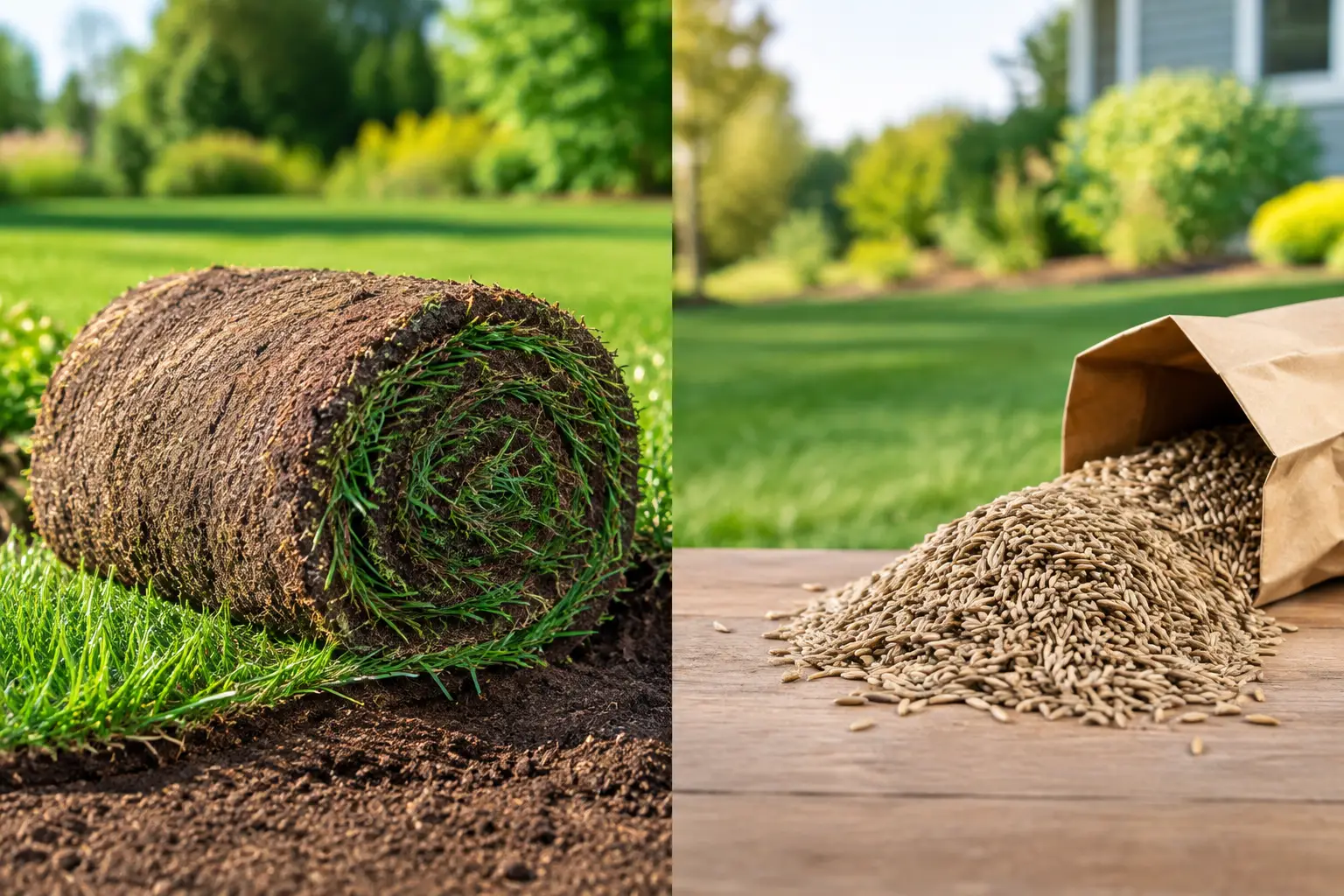
Sod is mature turfgrass that has been professionally grown, cut into rolls or slabs, and installed over prepared soil. Once it is laid and watered correctly, your property looks like it has a lawn right away. The grass still needs time to root into the soil below, but the visual transformation is immediate.
Seed begins at the earliest stage. After soil preparation, grass seed is spread, covered lightly, and kept consistently moist while it germinates. The process requires more patience, especially through the first several weeks, but it is often the more economical way to cover a large area.
For homeowners preparing for a gathering, listing a home, finishing a pool area, or repairing a highly visible front lawn, sod can be the practical choice. If you are renovating a broad backyard, working in a favorable fall planting window, or looking to build a lawn gradually, seed may make better sense.
When Sod Makes Sense
Sod is about speed, but that speed only pays off when the preparation is done well. The old lawn, weeds, stones, and construction debris should be removed first. The grade needs to direct water away from the home, and the soil should be loosened and amended as needed before the sod arrives.
A freshly sodded lawn gives a property a finished appearance in a day. That is a major benefit for homes where curb appeal matters now, not next month. It also helps stabilize exposed soil on slopes and in areas where rain can wash loose dirt into walkways, patios, or planting beds.
Sod is especially useful for smaller to mid-sized spaces where the convenience is worth the higher upfront investment. It is also a strong fit around newly completed landscape work. A crisp lawn sets off flowering borders, shade trees, privacy hedges, and new hardscaping far better than a muddy work zone.
Sod still needs a settling period
A common mistake is treating sod as a finished lawn the moment it is installed. The turf needs frequent watering at first so roots can knit into the prepared soil. In warm, dry, or windy weather, that may mean checking moisture every day. Edges and seams tend to dry first, so they deserve extra attention.
Keep foot traffic light until the sod has rooted. Children, pets, lawn furniture, and regular backyard activity can wait a little while. Mow only when the sod is firmly attached and the grass has reached an appropriate height, using a sharp mower blade that will not tug up new roots.
Sod can be installed during much of the growing season when weather and site conditions cooperate. Still, it is not a shortcut around summer stress. New turf installed in intense heat needs diligent watering, and water restrictions or an unreliable irrigation setup can make timing more challenging.
When Seed Is the Better Lawn Investment
Seed costs less per square foot than sod, which makes it appealing for large lawns and complete property renovations. It also lets you select a grass mix suited to your yard's conditions. A sunny, active backyard may need a different blend than a front lawn shaded by mature trees.
For Nassau County lawns, cool-season turfgrass mixes are commonly used because they are suited to our regional climate. A quality blend may include grasses selected for color, durability, disease tolerance, shade performance, or drought response. Choosing the right mix is more meaningful than simply choosing the biggest bag.
Early fall is typically the most favorable time to seed a new lawn or repair thin turf on Long Island. Soil is still warm enough for germination, while cooler air reduces stress on young grass. Spring can also work, but spring seeding often competes with weeds and can face summer heat before the grass has fully matured.
Seed rewards consistency
The first few weeks are critical. Grass seed needs steady moisture near the surface until it germinates, which may require light, frequent watering. Letting the top layer dry out can interrupt germination, while overwatering can move seed, create puddles, and encourage disease.
Seeded lawns also need protection from foot traffic and pets. Young blades may appear quickly, but a lawn is not ready for hard use just because it has turned green. Allow it to fill in and establish roots before expecting it to handle regular play, parties, or mowing on a tight schedule.
The trade-off is time. A properly seeded lawn can become beautiful and durable, but it will not offer the instant uniformity of sod. If you can be patient and attentive, seed offers excellent long-term value.
Cost Is More Than the Price of Grass
Sod generally has a higher material and installation cost. You are paying for mature turf, harvesting, delivery, labor, and the speed of the result. Seed is less expensive to purchase, but successful seeding may still involve soil testing, topsoil, compost, grading, starter fertilizer, erosion protection, and ongoing watering.
The condition of the site can change the equation. A level yard with healthy soil is easier to seed or sod. A compacted yard, a poorly drained area, or a lawn damaged by construction needs correction before either option goes down. Covering a drainage problem with green grass does not solve it.
Think about the value of your own time, too. Sod demands intensive early watering but becomes visually presentable quickly. Seed asks for more patience and close monitoring throughout germination. Neither route is maintenance-free, especially during establishment.
Prepare the Soil Before Choosing a Lawn Method
Whether you choose sod or seed, soil preparation determines much of the outcome. Start by removing weeds and unwanted vegetation, then loosen compacted soil so new roots can move downward. Add quality topsoil or organic matter where the existing soil is thin, sandy, or depleted.
Next, establish the grade. Water should move away from foundations, garages, and paved areas while avoiding low pockets that stay soggy after rain. This is the time to address drainage concerns, irrigation coverage, and the placement of new planting beds, trees, or privacy screening. Once turf is installed, correcting these details becomes more disruptive.
A soil test can guide fertilizer and amendment decisions. Adding products without knowing what the soil needs can create more problems than it solves. Healthy soil supports stronger roots, better color, and a lawn that is more resilient when weather turns hot, wet, or dry.
Match Your Choice to How You Use the Yard
A quiet side yard with ample time to establish can be a good candidate for seed. A highly visible entrance, a newly renovated landscape, or a lawn needed for near-term use may point toward sod. Shade, drainage, irrigation access, pets, and how much sun the property receives should all shape the decision.
There is also a middle ground. Many homeowners use sod in high-impact areas such as the front lawn, along walkways, or around a patio, then seed larger or less visible sections. This approach can create instant curb appeal while keeping the overall project practical.
For properties with complicated grades, mature shade, recurring bare spots, or a full landscape renovation, professional planning can prevent an expensive do-over. Westminster Nursery's landscape team can help homeowners coordinate lawn installation with grading, planting, drainage, and the wider look of the property.
Give the New Lawn Its Best Start
After installation, water according to the method you chose and the weather you are receiving. New sod needs moisture deep enough to encourage roots to move into the soil. New seed needs the surface kept evenly moist until seedlings are established. As the lawn matures, transition to deeper, less frequent watering to encourage stronger root systems.
Avoid cutting grass too short. Taller turf shades the soil, helps conserve moisture, and supports healthier roots. Keep mower blades sharp, stay off saturated turf, and be cautious with weed treatments on a newly established lawn. A little patience early on protects the investment you can see from the street every day.
The best lawn choice is the one you can prepare properly and care for consistently. Start with sound soil, choose the timing that fits the season, and give your new grass the attention it needs to become part of a yard you will enjoy for years.