
Professional Versus DIY Landscape Installation
Professional versus DIY landscape installation for Long Island homes: compare cost, time, plant choices, drainage, and long-term curb appeal nearby.
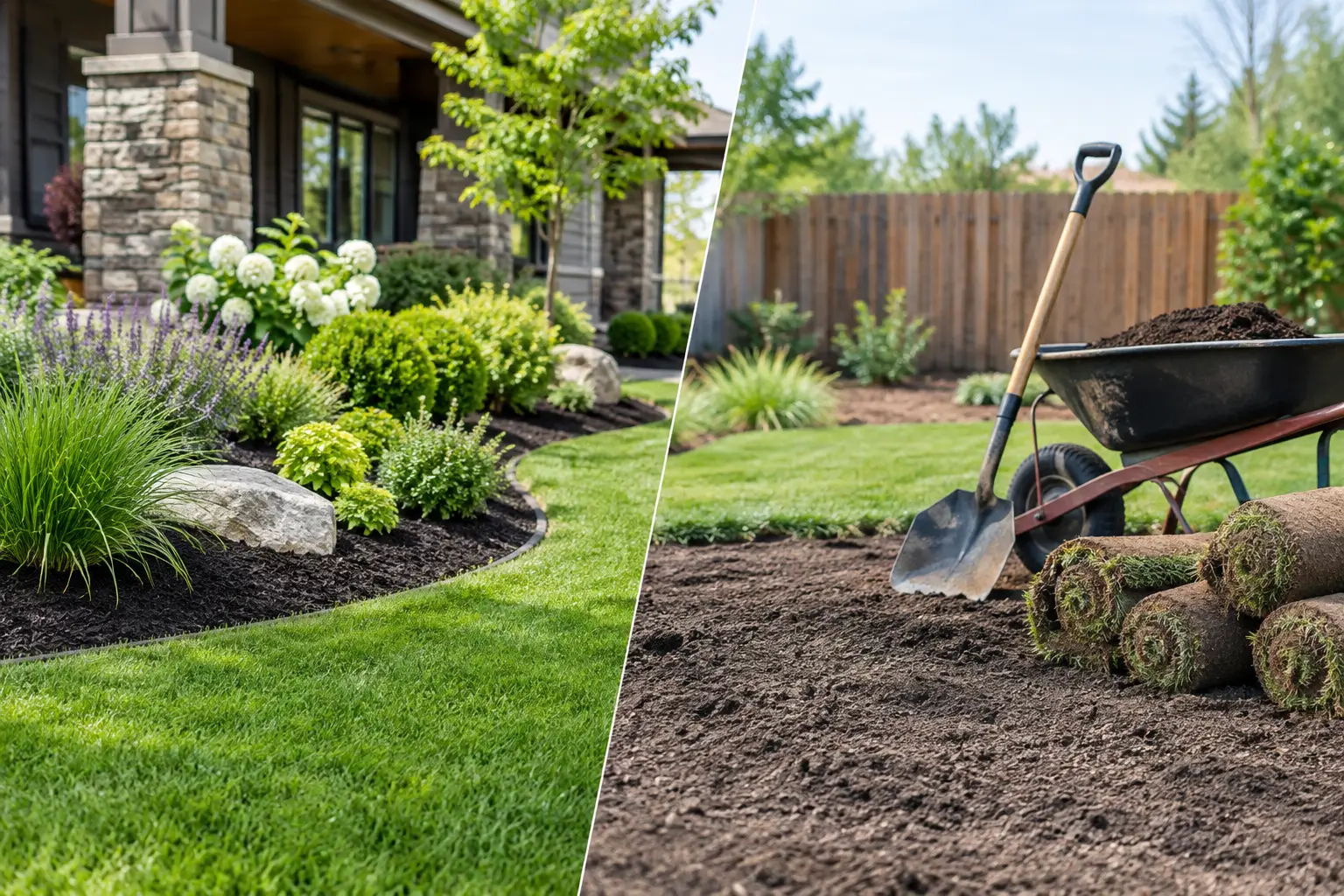
A new privacy screen, front foundation planting, or backyard refresh can change the way your home feels before you even walk through the door. When weighing professional versus DIY landscape installation, the right choice is not always about who can put a shovel in the ground. It is about the size of the project, the condition of your property, the time you can give it, and how long you want the finished landscape to perform.
For Nassau County and Long Island homeowners, installation also has to account for real local conditions: compacted soil, summer heat, coastal exposure in some areas, uneven drainage, deer pressure, and tight property lines. A project that looks simple on paper can have a few moving parts once planting day arrives.
Start With the Job, Not the Budget
DIY installation can be a satisfying, practical choice for a manageable project. Planting containers, adding seasonal annuals, refreshing a small bed, installing a few herbs and vegetables, or replacing one shrub gives homeowners hands-on control without turning the weekend into a construction project. If you enjoy gardening and are comfortable with watering, pruning, mulching, and monitoring plants through their first season, a smaller DIY project can be a great fit.
Professional installation becomes more valuable when the project involves grades, drainage, mature trees, large quantities of shrubs, privacy hedges, retaining elements, or a complete landscape plan. These jobs require more than choosing plants you like. They require a clear layout, correct spacing, safe digging practices, material handling, and a plan for how the landscape will grow over the next several years.
A useful question is this: if one decision goes wrong, how difficult and costly is it to correct? Moving a patio, regrading a wet area, or relocating a row of established Green Giant arborvitaes is very different from swapping out a few annuals.
The Real Cost of DIY Landscape Installation
DIY often looks less expensive because you are not paying for installation labor. That can be true, especially for small projects. But the full cost includes soil amendments, mulch, edging, delivery, tools, disposal of old material, and replacement plants if something struggles after installation.
Time belongs in the calculation too. A homeowner may need several trips to purchase plants and materials, then spend a full day or more digging, planting, cleaning up, and watering everything in. Large trees, hedges, and bulk materials can create a physical workload that is easy to underestimate.
There is also the cost of planting too closely. New shrubs and perennials can look sparse when spaced for their mature size, so it is tempting to pack them in. A few years later, plants compete for light, air circulation, and water. Pruning becomes constant, disease pressure can increase, and the bed may need to be redesigned earlier than expected.
Professional work has a higher upfront investment, but it can reduce expensive do-overs. A landscape team can coordinate the materials, prepare the site, install at the intended spacing, and leave the property ready for the next stage of growth. For many homeowners, the value is not just labor. It is having the planning and execution handled together.
Where Professional Landscape Installation Makes the Difference
A landscape should look good on installation day, but it also needs to work in July, after a heavy rain, and several winters from now. That is where experience can make a noticeable difference.
Drainage and grading
Water determines whether a landscape thrives. If a lawn puddles near the foundation, mulch washes out, or a planting bed stays wet after rain, adding plants alone will not solve the problem. The site may need grading adjustments, drainage planning, or plant selections that match the moisture level.
A professional installer sees the property as a whole: roof runoff, slopes, hardscape edges, downspout locations, and low spots. This helps prevent a beautiful new bed from becoming a recurring maintenance issue.
Plant selection with a purpose
Choosing plants is not simply matching colors. Sun exposure can change from one side of a house to the other. A spot that gets bright morning sun may be shaded and damp by afternoon. Soil can vary across the same yard, particularly around new construction, mature trees, and areas near pavement.
The right mix might include flowering perennials for seasonal color, evergreens for year-round structure, shrubs for foundation balance, and trees that provide screening without overpowering the home. Privacy plantings need special attention. Arborvitaes, Leyland cypress, skip laurels, and other hedge materials each have different spacing, sunlight, and maintenance needs.
Installation quality
Plant depth, root preparation, soil contact, mulch placement, and initial watering are not glamorous details, but they have a lasting effect. Trees and shrubs planted too deeply can decline. Mulch piled against trunks can hold moisture where it does not belong. A root-bound plant may need attention before it goes into the ground.
Professional teams work through these details consistently, especially on projects with many plants. The result is a more intentional start for your investment.
A Smart Middle Ground for Homeowners
Professional versus DIY landscape installation does not have to be an all-or-nothing decision. Many successful projects combine expert planning with homeowner participation.
You may want professional help to design the overall layout, solve drainage concerns, install specimen trees, build a privacy screen, or handle the heavy planting. Then you can take ownership of seasonal color, container gardens, vegetable beds, and simple additions as your landscape settles in. This approach protects the big-picture design while leaving room for the personal gardening projects that make a yard feel like yours.
It also makes future shopping easier. Once the backbone of the landscape is in place, you can choose annuals, hanging baskets, tropicals, flowering plants, or holiday accents that complement what is already established rather than compete with it.
Questions to Ask Before You Decide
Before committing to either path, walk the property at different times of day and think beyond the first week. Consider how much sun each area receives, where water collects after rain, whether you need privacy now or can wait for plants to mature, and who will handle regular watering during the first growing season.
Think about access as well. Can large plants and materials reach the backyard? Are there gates, utility lines, slopes, or existing structures that affect the installation? These details shape the job more than many homeowners expect.
Finally, be honest about your available time. A landscape does not end when planting is complete. New installations need attentive watering, weed control, mulching, and observation while roots establish. DIY is most rewarding when that ongoing care fits comfortably into your routine.
Build a Landscape You Can Enjoy Growing Into
Westminster Nursery brings together a deep selection of plants with experienced landscape design, installation, and maintenance support for homeowners across the area. Whether you are picking up a few plants for a weekend refresh or planning a larger transformation, starting with the right materials and a clear plan makes every dollar and every hour work harder.
Bring a few photos, rough measurements, and your ideas for how you want the space to feel. A thoughtful landscape does more than improve curb appeal - it gives your family another reason to spend time outside.