
Patio Container Plants That Thrive on Long Island
Choose patio container plants for sun, shade, color, and edible harvests. Get practical Long Island planting tips from a trusted local nursery team today.
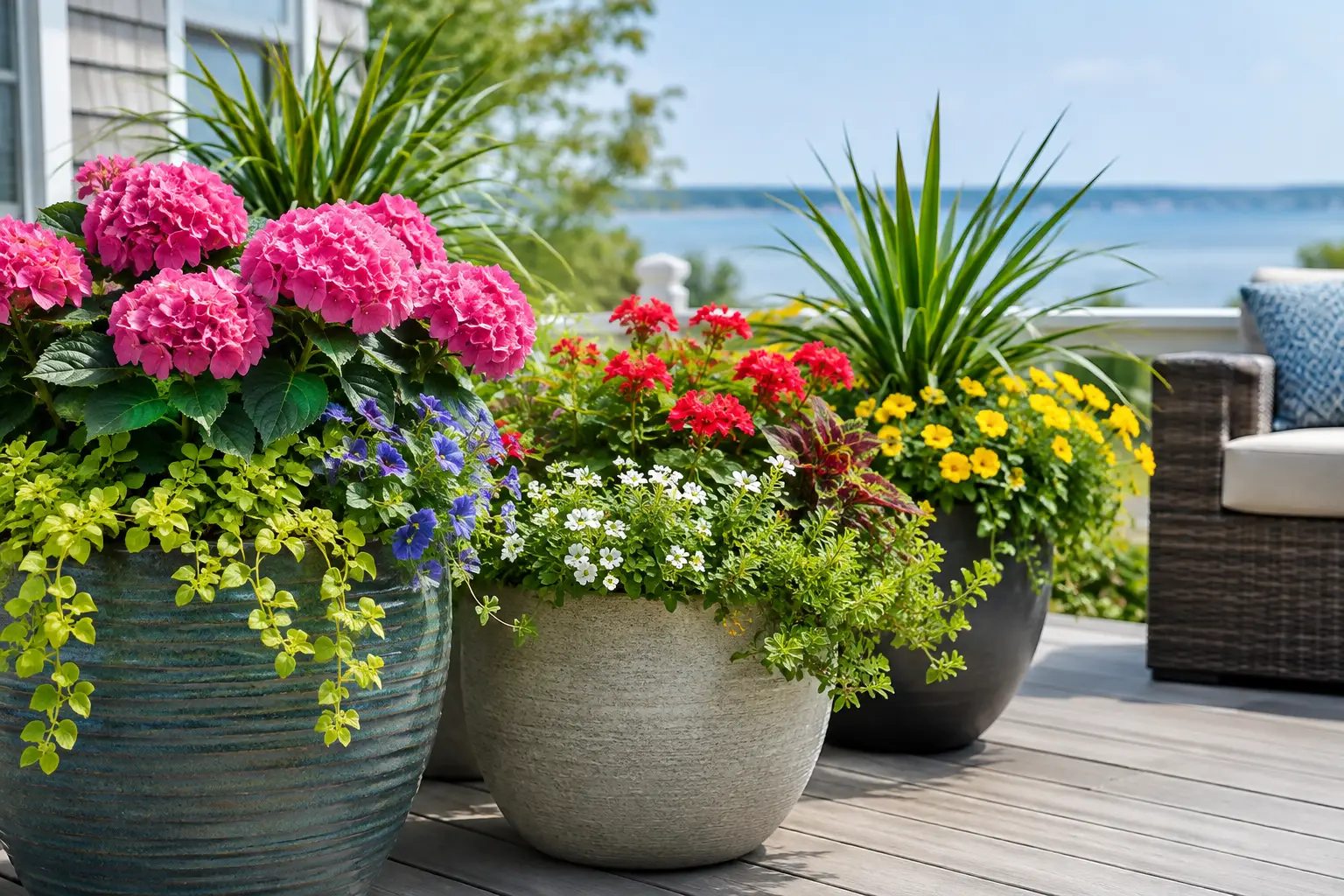
A patio can feel finished with just a few well-chosen containers. The right patio container plants soften hardscapes, frame an entry, add privacy around a seating area, and keep color close to where your family actually spends time outdoors. On Long Island, success starts with matching plants to the sun, choosing pots that hold enough soil, and planning for summer heat as carefully as spring color.
At Westminster Nursery, homeowners can shop seasonal annuals, tropicals, herbs, vegetables, perennials, shrubs, and hanging baskets in one stop. Whether you are refreshing two pots by the front door or building a full backyard retreat, container planting gives you a flexible, high-impact way to bring your patio to life.
Choose Patio Container Plants for Your Light
Before choosing flowers because of their color, watch your patio for a day. Morning sun is gentler than the strong afternoon sun that reflects off pavers, siding, and fencing. A spot that seems partly sunny in April may become much hotter once summer arrives.
For patios with six or more hours of direct sun, look for heat-tolerant annuals such as petunias, calibrachoa, geraniums, lantana, verbena, angelonia, and zinnias. These plants bring dependable color, but they still need consistent watering in containers. Tropical foliage, including palms and bold-leaved accents, can also create the lush, vacation-style look many Long Island homeowners want near a pool or outdoor dining area.
Shadier patios have plenty of options, too. Impatiens, begonias, coleus, ferns, and caladiums can brighten covered porches and areas beneath mature trees. Begonias are especially useful where you want flowers without intense all-day sun, while coleus provides colorful foliage that remains attractive even when blooms are not the main feature.
If your patio receives changing light, do not force one container formula everywhere. Put sun-loving plants in the brightest locations and use shade containers where they will actually be comfortable. Planting to fit the site is simpler than constantly trying to correct a poor match.
Build Containers With Height, Fullness, and Movement
A container looks more polished when it has a clear shape. Start with one upright plant for height, surround it with fuller plants that fill the middle, then add trailers that spill gently over the pot edge. This approach works beautifully for large front-door planters, deck corners, and containers beside a patio sofa.
For a sunny combination, pair a tall grass or tropical centerpiece with petunias or lantana and a trailing calibrachoa or sweet potato vine. In shade, a fern or upright coleus can anchor the planting, with begonias and trailing foliage filling out the pot. The exact mix depends on what is in season and what colors you enjoy, but combining different leaf sizes and growth habits makes a bigger impact than using one plant type alone.
Keep the scale of the pot in mind. A small container can hold a simple planting, but a large patio needs larger pots to avoid a scattered, undersized look. Bigger containers also hold more soil, which helps roots stay cooler and reduces how quickly the pot dries out. That matters during humid July weather and hot stretches when a small pot may need water more than once a day.
Pick Pots That Work as Hard as Your Plants
Containers are not just decorative. Their material, size, and drainage affect plant health all season.
Terra cotta has a classic garden look and allows moisture to evaporate through the sides. That can be helpful for plants that dislike wet roots, but it also means terra cotta dries quickly in full sun. Glazed ceramic offers color and visual weight, though it can be heavy to move. Lightweight resin and fiberglass containers are practical for decks, rooftops, and patios where you want the look of a substantial planter without the strain of lifting it.
Every outdoor container needs drainage holes. Without them, a heavy rain can leave roots sitting in water, leading to yellow leaves and decline. Use a quality potting mix rather than soil dug from the yard. Garden soil compacts inside a container, while potting mix is designed to hold moisture and air around the roots.
Choose a pot that leaves room for roots to grow. Crowded plants dry out quickly and may stop flowering as strongly. If you are planting a long window box or a wide bowl, give each plant enough space to reach its mature size instead of packing it tightly for a one-weekend look.
Add Edibles Close to the Patio
Container gardening is also one of the easiest ways to keep fresh flavor within reach of the grill or outdoor table. Herbs are especially well suited to patio pots. Basil, parsley, rosemary, thyme, oregano, mint, and chives can be grown near the kitchen door, where you are more likely to snip them often.
Tomatoes, peppers, eggplant, lettuce, and compact cucumber varieties can also perform well in containers, provided they receive enough sun. Tomatoes and peppers need generous pots, steady moisture, and support such as a cage or stake. Lettuce prefers cooler conditions, so it is a smart choice for spring and early fall containers or a patio with some afternoon shade.
Keep mint in its own pot. It is useful and fragrant, but it spreads aggressively when planted with other herbs. Grouping edible containers together can create a small kitchen garden without giving up your patio's ornamental color.
Keep Your Containers Looking Fresh All Season
A beautiful planting does not need complicated care, but it does need regular attention. Check containers frequently rather than watering by a calendar. Push a finger about an inch into the potting mix. If it feels dry at that depth, water thoroughly until moisture runs out of the drainage holes.
Early morning watering is ideal, especially during hot weather. It gives plants time to take up moisture before the strongest sun arrives and keeps foliage drier overnight. Hanging baskets and small pots are the first to dry out, so inspect them closely during heat waves.
Most flowering annuals benefit from regular feeding with a fertilizer suited to container plants. Follow the product directions, since too much fertilizer can create leafy growth with fewer flowers. Removing spent blooms from plants such as petunias, geraniums, and zinnias also encourages a neater look and often helps extend the bloom period.
If a container starts looking tired in midsummer, do not assume the season is over. Trim back leggy stems, remove damaged leaves, refresh the soil surface, and adjust watering. Sometimes a quick cleanup and a few replacement plants are all it takes to restore the display.
Refresh Patio Pots for Fall and Beyond
Containers make seasonal decorating easy because they can change with the weather. When summer annuals fade, transition to mums, ornamental kale, cabbage, pansies, grasses, and seasonal accents. Fall containers look especially welcoming near front steps, outdoor gathering areas, and entrances for autumn celebrations.
Evergreen cuttings, branches, berries, and winter accents can carry decorative pots into the colder months. If you are using a container that may remain outdoors all winter, choose a weather-tolerant material and avoid letting water collect and freeze inside it.
For a patio that feels inviting from the first warm weekend through the holiday season, think of containers as a changing part of the landscape rather than a one-time purchase. Stop by Westminster Nursery with a photo of your patio, a sense of its sun exposure, and the colors you enjoy. A well-planned group of containers can turn even a modest outdoor corner into the place everyone wants to gather.