
Landscaping Industry Trends for Long Island Yards
Landscaping industry trends shaping Long Island properties, from water-wise planting and privacy screens to outdoor rooms built for easier everyday living.
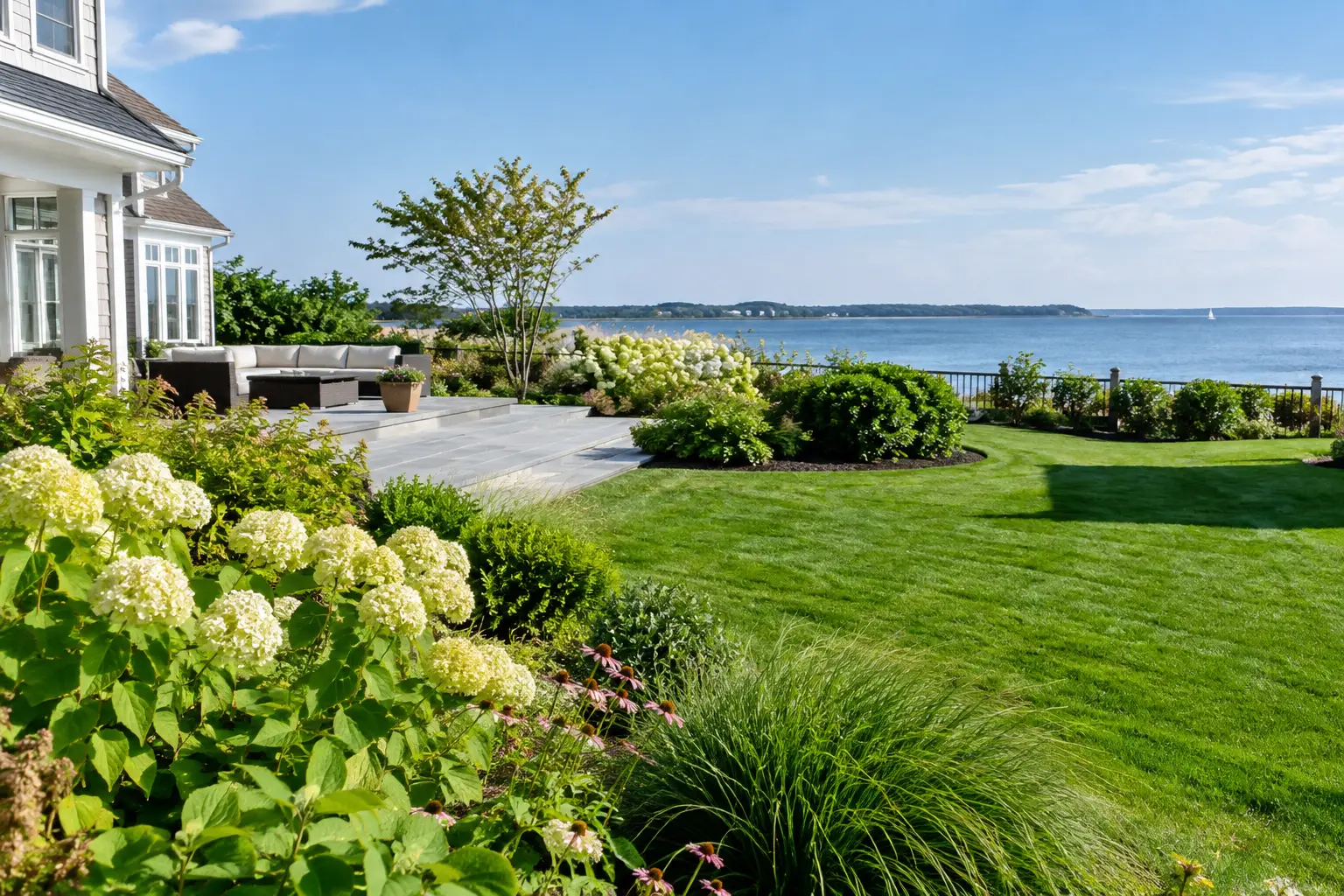
A Long Island yard has to do more than look good from the curb. It may need to create privacy from close neighbors, stand up to summer heat, welcome weekend guests, and still feel manageable on a busy Tuesday. That is why the landscaping industry trends gaining traction now are less about chasing a single look and more about building outdoor spaces that work harder for the people who use them.
For homeowners and property owners across Nassau County, the most lasting ideas pair smart plant choices with practical design. They bring color closer to the house, create defined places to gather, and make maintenance more predictable without making a landscape feel plain.
Landscaping Industry Trends Start With Smarter Planting
Plant selection is becoming more intentional. Rather than filling every bed with one-season color or choosing shrubs only for their mature size, homeowners are asking how plants will perform through changing weather, support pollinators, frame outdoor living areas, and contribute to year-round curb appeal.
Layered planting is a major part of that shift. A well-planned bed often combines evergreen structure, flowering shrubs, perennials, ornamental grasses, and seasonal annuals. The evergreens keep the property from looking bare in winter, while perennials and annual color provide fresh interest from spring through fall. This approach gives a landscape more depth than a row of identical plants, and it makes updates easier when the season changes.
Native and regionally appropriate plants are also part of the conversation. The goal is not to create a strictly native garden in every yard. For some properties, a mixed planting plan is the better fit. What matters is selecting plants that suit local sun exposure, soil conditions, drainage, and the level of care a homeowner wants to provide. Plants that are properly matched to the site generally establish better and need less correction later.
Pollinator Appeal With a Finished Look
Pollinator-friendly planting has moved beyond a casual corner of wildflowers. Homeowners want gardens that welcome bees, butterflies, and birds while still looking polished from the driveway or patio. Flowering perennials, herbs, and carefully chosen shrubs can offer that balance.
The difference is design. Repeating plants in generous groups, using clean bed edges, and including evergreen anchors helps a pollinator garden feel purposeful. It is an especially strong choice for front-yard beds, island plantings, and sunny borders where color can be enjoyed daily.
Privacy Screens Are Becoming Outdoor Essentials
Privacy remains one of the clearest priorities in Long Island landscape design. As yards are used more often for dining, relaxing, and entertaining, homeowners want separation from neighboring windows, busy streets, and surrounding properties.
Living screens continue to be a preferred solution because they add greenery while defining the property. Arborvitaes, Green Giants, Leyland cypress, and skip laurels are popular options, but the right selection depends on available width, desired height, sunlight, soil, and how quickly coverage is needed. A fast-growing screen can be appealing, yet it still needs enough room to mature without crowding a fence, walkway, or foundation.
A mixed privacy border can be a better choice where there is more planting space. Combining evergreen material with flowering shrubs and small ornamental trees creates a softer view and adds seasonal interest. For tighter side yards, a narrower hedge or a fence softened with climbing plants may make more sense.
The best privacy planting plans consider the view from both inside and outside the home. A screen should block what you do not want to see without blocking the light, air, or landscape features you enjoy.
Outdoor Rooms Are Replacing Empty Lawn
Lawn still has a place, especially for families, pets, and open views. But large areas of unused turf are increasingly being turned into spaces with a job to do. Patios, seating areas, dining zones, fire features, garden paths, and tucked-away reading corners make the backyard feel like an extension of the home.
This trend is not about covering every inch with hardscape. Too much paving can make a yard feel hot and rigid, while too little structure can leave the space without a clear purpose. The strongest designs use hardscape to establish circulation and gathering areas, then soften those spaces with planting beds, containers, trees, and seasonal color.
A modest patio can become much more inviting with a surrounding border of shrubs and perennials. A path can guide guests through the yard while making maintenance access simpler. Even a small seating area gains presence when it is framed by tall plantings or containers filled with palms, tropicals, or bold annuals.
Front Yards Are Getting More Attention
The front yard is no longer limited to foundation shrubs and a few annuals by the entry. Homeowners are using front landscapes to make a stronger first impression and add daily enjoyment. Curved bed lines, specimen trees, layered evergreens, flowering plants, and a refreshed walkway can make a home look cared for in every season.
Container plantings also offer an easy way to update an entrance without a full redesign. Spring bulbs and pansies, summer tropicals and flowering annuals, autumn mums, and winter greens each bring a timely welcome to the front door.
Water-Wise Design Means Better Planning, Not Bare Beds
Water-conscious landscaping is becoming more practical as homeowners pay closer attention to heat, dry spells, and the cost of maintaining thirsty plantings. The answer is not to eliminate color or settle for a sparse yard. It is to plan irrigation, soil preparation, mulch, and plant placement more carefully.
Grouping plants with similar moisture needs makes watering more efficient. Mulch helps retain soil moisture and gives beds a clean, finished appearance. Improving soil before planting can also make a significant difference, particularly in areas where drainage is poor or compacted soil limits root growth.
Irrigation can be a worthwhile investment for larger beds, newly installed trees, or landscapes with extensive seasonal color. It should be designed around the actual needs of the property, though. Overwatering can be just as damaging as underwatering, especially for established shrubs and plants in shaded areas.
For homeowners who prefer a lower-maintenance landscape, the right mix of shrubs, perennials, ornamental grasses, and evergreen material can reduce the need for constant replacement while keeping the property full and attractive.
Lighting and Seasonal Color Extend the Landscape’s Value
A landscape should not disappear when the sun goes down. Low-voltage lighting is being used more thoughtfully to highlight paths, entries, specimen trees, patios, and architectural details. Good lighting improves visibility and creates atmosphere without turning the yard into a brightly lit stage.
Seasonal color remains one of the fastest ways to make a property feel current. It gives homeowners a chance to refresh containers, entry beds, and focal points throughout the year. This is especially valuable for homes preparing for celebrations, hosting guests, or simply looking for an immediate lift after a long winter.
For commercial properties, regular seasonal updates can help an entrance feel welcoming and well maintained. Flowering annuals, clean mulch lines, trimmed shrubs, and healthy containers all contribute to a stronger impression before anyone walks through the door.
Professional Maintenance Is Part of the Design
A beautiful installation needs a plan for what happens next. One of the most practical landscaping industry trends is the growing focus on ongoing care from the start of a project. Homeowners are asking which plants need pruning, when beds should be refreshed, how privacy material will be shaped, and what seasonal transitions will require.
This is where a landscape plan becomes more valuable than a quick planting list. A design that considers mature plant size, sun patterns, drainage, and maintenance needs is easier to enjoy over time. It also helps avoid common frustrations, such as shrubs outgrowing their space or flower beds losing their impact halfway through the season.
At Westminster Nursery, homeowners can shop for the plants and seasonal color they love while working with an experienced landscape team for design, installation, and property maintenance. That combination makes it easier to carry one clear vision from a nursery visit to a finished outdoor space.
The best trend to follow is the one that fits the way you live. Whether that means a privacy hedge, a brighter front entry, a pollinator-friendly border, or a patio built for family gatherings, a thoughtful landscape gives your property more reasons to be enjoyed every day.