
How to Plant Herb Containers That Thrive
Learn how to plant herb containers with the right pot, soil, sun, and plant pairings for fresh flavor on Long Island patios, decks, and steps all season.
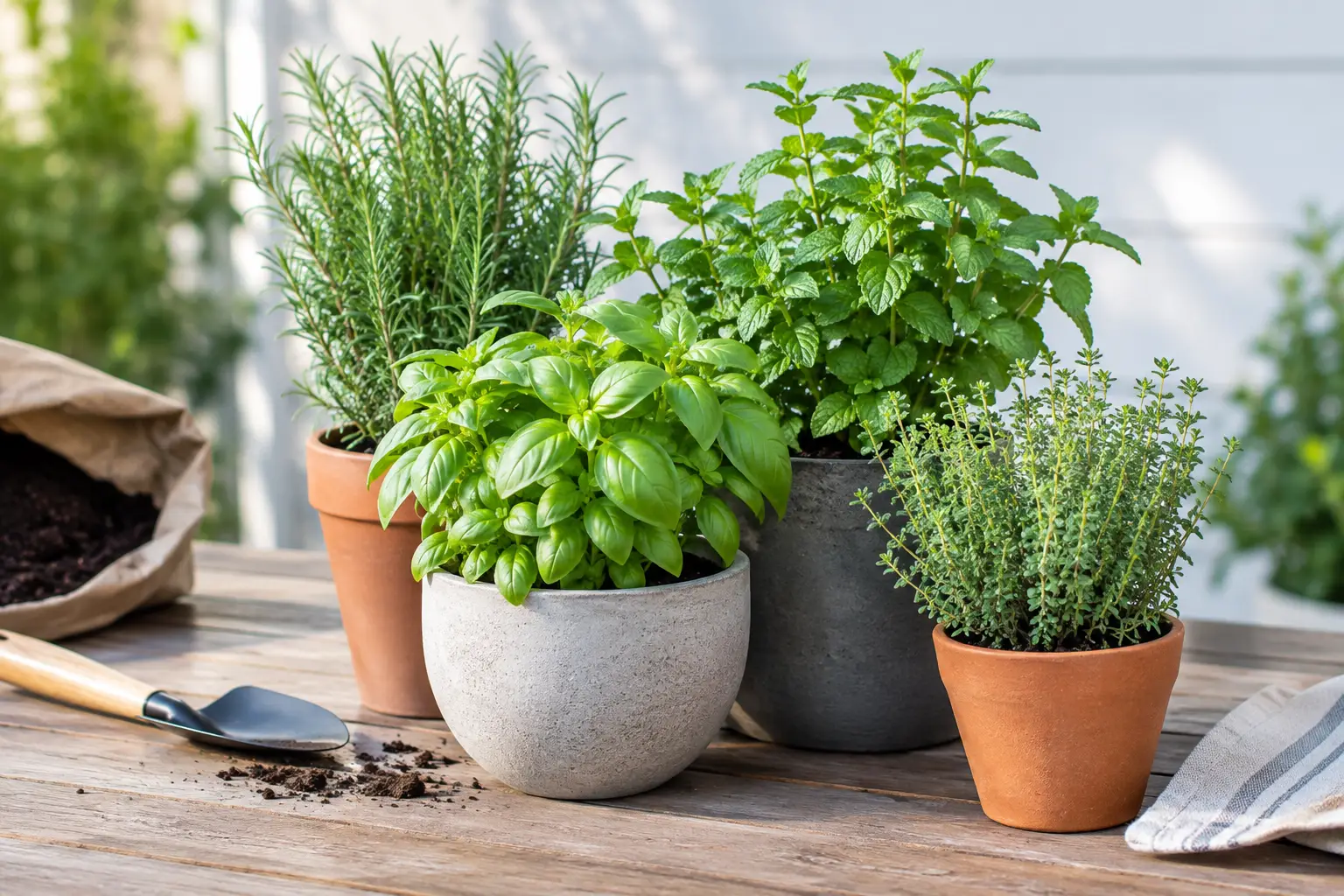
A handful of basil clipped outside the kitchen door makes a weeknight meal feel a little more special. The same goes for mint in iced tea, chives over baked potatoes, or rosemary tucked beside the grill. Learning how to plant herb containers gives Long Island homeowners an easy way to grow fresh flavor, even when the yard is small, the garden beds are full, or the only sunny spot is a front stoop.
Container herbs are practical, attractive, and flexible. Move them closer to the house for convenience, shift them into better light as the season changes, or bring tender plants inside before a chilly fall night. A well-planted pot can look polished enough for a patio while working hard in the kitchen.
Start With the Right Location
Most culinary herbs need plenty of direct sun to develop the scent and flavor that make them worth growing. Aim for a location that receives at least six hours of sun a day. A south- or west-facing patio, deck, balcony, or driveway edge often works well, provided the plants are not blocked by large trees or nearby structures.
Basil, rosemary, thyme, oregano, sage, and lavender are especially happy in bright, warm conditions. Parsley and cilantro can handle some afternoon shade, which can be useful during a hot Long Island summer. If your space gets only a few hours of direct light, focus on parsley, chives, mint, and cilantro rather than expecting sun-loving Mediterranean herbs to perform their best.
Convenience matters, too. Put your containers where you will actually use them. A pot near the back door or grill is more likely to be watered, harvested, and enjoyed than one placed at the far end of the property.
Choose a Container That Drains Well
The best herb container has drainage holes. This is nonnegotiable. Herbs can struggle quickly in soggy soil, especially after a stretch of summer rain. If a decorative pot does not have holes, use it as a cover pot and place a smaller nursery container inside it, or choose a different vessel for planting.
A container 10 to 12 inches wide is a good starting point for a single mature herb plant such as basil, rosemary, or parsley. For a mixed planting, choose a broader pot, window box, or raised planter that is at least 12 inches deep. More soil means steadier moisture and room for roots to grow.
Terra-cotta looks classic and provides good airflow around the root zone, but it dries out quickly in summer. Glazed ceramic, resin, fiberglass, and plastic pots hold moisture longer and may be easier to move. There is no single perfect material. Choose one that suits your style, your watering habits, and the weight your deck or railing can support.
Skip the layer of rocks at the bottom of the pot. It does not improve drainage and takes away valuable root space. Drainage holes and quality potting mix do the real work.
Use Fresh Potting Mix, Not Garden Soil
Fill containers with a fresh, lightweight potting mix made for pots and planters. Garden soil is too dense for most containers and can compact around roots, making it harder for water and air to move through the pot.
For herbs that prefer drier conditions, such as rosemary, thyme, oregano, sage, and lavender, select a well-draining mix and avoid keeping the soil constantly wet. Basil, parsley, and cilantro appreciate more consistent moisture, but still need a pot that drains thoroughly.
A slow-release fertilizer mixed into the potting soil can help support growth through the season. Follow the product label rather than adding extra fertilizer just because the plants are in containers. Overfeeding can create lots of soft leafy growth with less concentrated flavor, particularly in herbs grown for their aromatic leaves.
How to Plant Herb Containers Step by Step
Once you have your container, potting mix, and herb plants ready, planting takes only a few minutes. Water the herbs in their nursery pots before you begin so their roots are not dry when they are transplanted.
Add enough potting mix to the bottom of the container so that the top of each herb's root ball will sit about an inch below the rim. This space prevents water from running over the edge every time you irrigate.
Gently slide each plant from its pot. If roots are circling tightly around the outside, loosen them lightly with your fingers before planting. Set the plants at the same depth they were growing in their original containers, then fill around them with potting mix. Firm the soil gently to remove major air pockets, but do not pack it down hard.
Water slowly and thoroughly until water runs from the drainage holes. Soil often settles after the first watering, so add a little more mix if needed. Leave room below the rim of the pot for future watering.
Pair Herbs With Similar Needs
The easiest mixed herb containers group plants that like the same amount of sun and moisture. This is where many otherwise good-looking planters run into trouble. Basil and rosemary may both enjoy sun, but basil generally needs more regular water than rosemary. Planting them together can work if you pay close attention, but it is not always the lowest-maintenance choice.
A Mediterranean-style container can include rosemary, thyme, oregano, sage, and trailing thyme. These herbs enjoy sun, sharp drainage, and soil that dries slightly between waterings. Keep lavender in a separate pot when possible, since it prefers very dry conditions and can outgrow smaller combinations.
For a lush, leafy kitchen container, pair basil with parsley and chives. All three appreciate sunny conditions and more even moisture. Cilantro can join this group in spring or early fall, but it often bolts when summer heat arrives. Plant a new round of cilantro later in the season for continued harvests.
Mint deserves its own pot. It is vigorous, spreads readily, and can take over a shared container. A dedicated mint pot is not a limitation - it puts refreshing leaves right where you need them for drinks, salads, and summer desserts.
Water and Harvest for Better Growth
Check containers often, especially during July and August. A sunny pot can dry out much faster than a garden bed, sometimes in a single hot day. Push a finger about an inch into the soil. If it feels dry at that depth, water deeply until excess runs from the bottom.
Watering needs depend on the pot size, plant size, material, weather, and exposure. Small terra-cotta pots in full sun may need water daily, while a large glazed planter after a rainy week may not need attention for several days. Let the soil guide you instead of following a rigid calendar.
Harvesting encourages many herbs to become fuller and more productive. Pinch basil just above a set of leaves, taking stems regularly before the plant flowers. Snip chives near the base. Cut thyme, oregano, and rosemary a few inches at a time, avoiding heavy cuts into old woody stems.
Do not remove more than about one-third of a healthy plant at once. Regular light harvesting is better than waiting for one large cutting session.
Keep Containers Looking Fresh Through the Season
Remove yellow leaves, spent flowers, and any damaged stems as you notice them. Basil flowers should be pinched off if your goal is leafy harvests. Once basil is allowed to set seed, leaf production and flavor can decline.
If a plant becomes crowded or starts looking tired, assess the reason before adding fertilizer or water. It may need more sun, better drainage, a larger pot, or simply a trim. Herbs are generally straightforward, but each one has its own pace. Cilantro is short-lived in heat, while rosemary grows slowly and can stay handsome for multiple seasons with proper care.
At Westminster Nursery, gardeners can find fresh herb plants, containers, potting mixes, and knowledgeable help choosing combinations that suit their space. Bring a photo of your patio, deck, or sunny entryway if you are unsure where to begin.
A few well-placed herb containers turn everyday outdoor space into something useful and inviting. Start with the herbs you cook with most, keep the pots within reach, and let the season shape your next planting.