
A Guide to Commercial Landscape Maintenance
Our guide to commercial landscape maintenance helps Nassau County properties protect curb appeal with practical seasonal plans for Long Island properties.
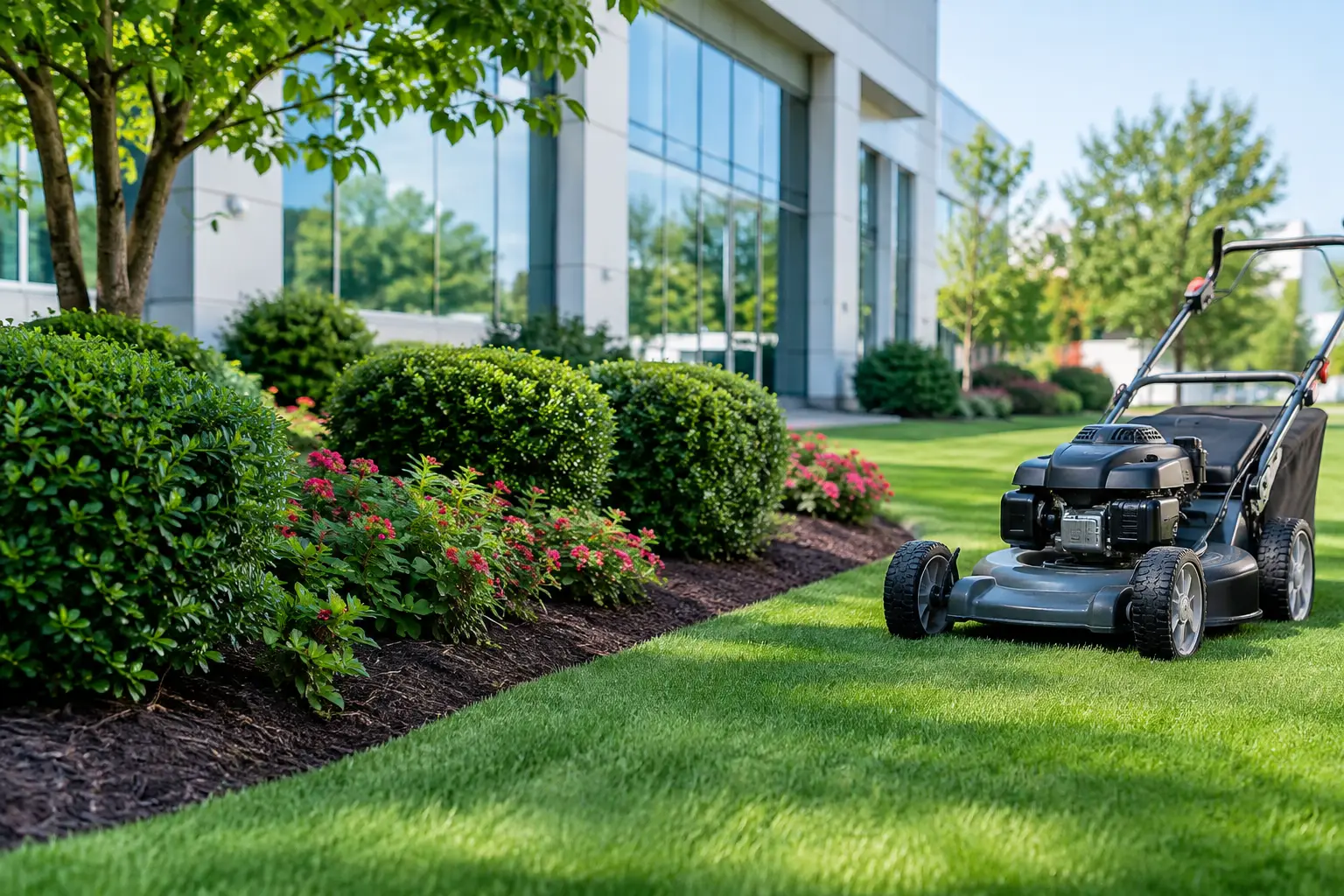
A commercial property starts making an impression before anyone reaches the front door. Clean walkways, healthy planting beds, trimmed shrubs, and orderly seasonal color tell customers, tenants, employees, and visitors that the property is cared for. This guide to commercial landscape maintenance explains how Long Island businesses and property managers can create a dependable plan that protects curb appeal through changing weather, heavy foot traffic, and every season of the year.
What Commercial Landscape Maintenance Really Covers
Commercial landscape maintenance is more than mowing the lawn when it gets long. It is a coordinated, ongoing service plan designed around the way a property looks, functions, and is used. An office complex, medical building, retail center, apartment community, restaurant, and industrial property all have different needs, but each depends on a landscape that remains clean, safe, and welcoming.
The strongest maintenance programs combine routine work with seasonal attention. Weekly visits may handle mowing, edging, litter pickup, weeding, and basic plant care. Monthly or seasonal work addresses pruning, mulch, color rotations, irrigation adjustments, soil health, leaf removal, and storm cleanup. The right schedule depends on the size of the property, its planting density, traffic patterns, and visibility from the street.
For Nassau County properties, maintenance also needs to account for coastal conditions, summer heat, compacted soil, winter salt exposure, and sudden storms. A plan that looks good on paper but ignores local conditions can lead to stressed turf, bare planting beds, declining shrubs, and avoidable replacement costs.
Start With the Property’s Most Visible Areas
Not every part of a commercial property needs the same level of attention. The entrance, monument sign, parking lot islands, sidewalks, storefront frontage, and outdoor seating areas are where landscape maintenance has the greatest effect on perception. These spaces should be treated as priority zones, especially during the growing season and before busy holidays or major business events.
A polished entrance often comes down to small details: crisp bed edges, healthy mulch, pruned shrubs that do not block signs, and seasonal flowers that look fresh rather than tired. Parking lot islands deserve the same care. They are highly visible, frequently exposed to heat and salt, and easy to overlook until weeds or overgrown plantings become obvious.
Less visible areas can usually follow a different schedule. That does not mean ignoring them. It means allocating time and budget where appearance, safety, and plant health will have the biggest impact.
Protect Signage, Sightlines, and Safety
Shrubs and trees should enhance a commercial property, not hide the features people need to see. Regular pruning keeps business signs visible, preserves sightlines near driveways and intersections, and prevents branches from interfering with lights, building façades, or walkways.
Maintenance crews should also watch for low branches, uneven turf along pavement edges, invasive weeds, slippery leaf buildup, and damaged plant material after storms. Landscape care and site safety are closely connected. A clear, well-maintained property is easier for customers and employees to navigate with confidence.
Build a Seasonal Maintenance Calendar
Long Island landscapes change quickly from season to season, so a one-size-fits-all service schedule rarely works. A useful commercial maintenance calendar anticipates what the property will need before conditions become a problem.
Spring: Reset the Property
Spring is the time to clear winter debris, cut back appropriate dormant growth, redefine planting beds, inspect turf, and prepare irrigation. It is also a smart time to evaluate plants that struggled through winter. Salt-damaged evergreens, broken branches, compacted beds, and thin lawn areas are easier to address early.
For properties that rely on a strong first impression, spring annuals and refreshed containers bring immediate color to entrances. Choosing plants for their sun exposure and watering needs matters more than choosing only by color. A shaded entry and a full-sun parking lot island should not receive the same plant palette.
Summer: Maintain Consistency
Summer maintenance is where consistency shows. Turf growth, weeds, heat stress, and flowering plant care all require regular attention. Mowing height should support healthy grass rather than scalp it during hot, dry stretches. Bed maintenance should include weeding before weeds seed and spread, along with checking mulch depth so soil retains moisture without burying plant crowns.
Irrigation deserves close attention in summer. Watering too little can stress turf and annuals, but watering too often can create shallow roots and fungal issues. Weather-responsive scheduling and routine inspections are especially valuable for properties with multiple zones, containers, or newly installed plantings.
Fall: Clean Up and Prepare
Fall is not simply leaf season. It is an opportunity to prepare landscapes for a stronger spring. Leaf removal keeps turf from becoming smothered, while selective pruning, bed cleanup, and lawn care can reduce disease pressure and improve appearance before winter.
This is also an excellent planting window for many trees and shrubs. Cooler temperatures can help root systems establish with less heat stress. For commercial properties considering privacy hedges, screening, or a refreshed entrance planting, fall installation can be a practical choice when irrigation and site conditions are managed properly.
Winter: Keep the Site Orderly
Winter landscape maintenance focuses on appearance, access, and prevention. Evergreen material, attractive bark, properly maintained hedges, and clean bed lines help a property look intentional when flowers and turf are dormant. After storms, broken limbs and debris should be assessed promptly.
Salt is a major concern near parking areas and sidewalks. Selecting salt-tolerant plants where possible, maintaining proper mulch, and monitoring runoff areas can help reduce damage. Winter is also a good time to review the past year’s maintenance results and plan upgrades before spring demand begins.
Choose Plants That Can Handle the Site
The best commercial landscapes are not necessarily packed with the most plants. They are built around plants that suit the light, soil, exposure, traffic, and maintenance level of the property. A dramatic plant may not be the right investment if it needs constant attention or struggles in the location.
Evergreens can provide dependable structure near entrances and property lines, while flowering shrubs, perennials, and annual rotations can add seasonal interest. Privacy hedges may be a strong fit for screening loading areas, mechanical equipment, or neighboring properties, but they need enough space to reach mature size without crowding pavement or buildings.
Native and pollinator-friendly choices can be valuable in the right setting, particularly where a property wants a more natural look and reduced seasonal replacement. However, a formal retail frontage or corporate entrance may call for a more structured design. The right approach depends on the property’s brand, foot traffic, and maintenance expectations.
Set Clear Standards With Your Landscape Team
A maintenance agreement works best when the property owner and landscape provider agree on what “maintained” means. That includes service frequency, priority areas, seasonal tasks, plant replacement expectations, irrigation responsibilities, and communication after storms or unusual weather.
Ask for a site walk before work begins. A thorough walkthrough can identify drainage issues, dead or declining plants, worn turf paths, exposed roots, poorly placed shrubs, and areas where mulch or seasonal color would make the greatest difference. It also gives the maintenance team a clearer understanding of access points, tenant needs, and operations that may affect scheduling.
It helps to think beyond the weekly visit. A lower-frequency plan may fit a low-traffic industrial site, while a customer-facing retail property often benefits from more frequent detail work. Spending should match the visibility and use of the landscape, not simply the acreage.
Know When Maintenance Needs an Upgrade
Routine care can preserve a good landscape, but it cannot solve every underlying problem. Repeated puddling, declining trees, bare turf in high-traffic areas, plants that outgrow their space, and chronically weedy beds may point to a design or installation issue rather than a maintenance issue.
That is when a targeted enhancement can make more sense than repeated short-term fixes. Regrading a drainage area, replacing an unsuitable shrub, improving soil, adding a defined bed edge, or updating a faded entrance planting can reduce future maintenance headaches while improving the property’s appearance.
Westminster Nursery brings more than 30 years of local plant and landscape experience to commercial properties across Nassau County and Long Island. For businesses that need ongoing care as well as seasonal color, trees, shrubs, privacy screening, or a refreshed landscape plan, working with one experienced local team can keep decisions practical and the property looking prepared.
A well-maintained commercial landscape does not need to be elaborate to be memorable. It needs to look cared for on the ordinary Tuesday mornings when customers arrive, tenants head to work, and the property has one clear chance to make a good first impression.