
Guide to Choosing Nursery Trees for Long Island
Use this guide to choosing nursery trees for Long Island yards, with practical tips on size, roots, sun, soil, and planting for years of healthy growth.
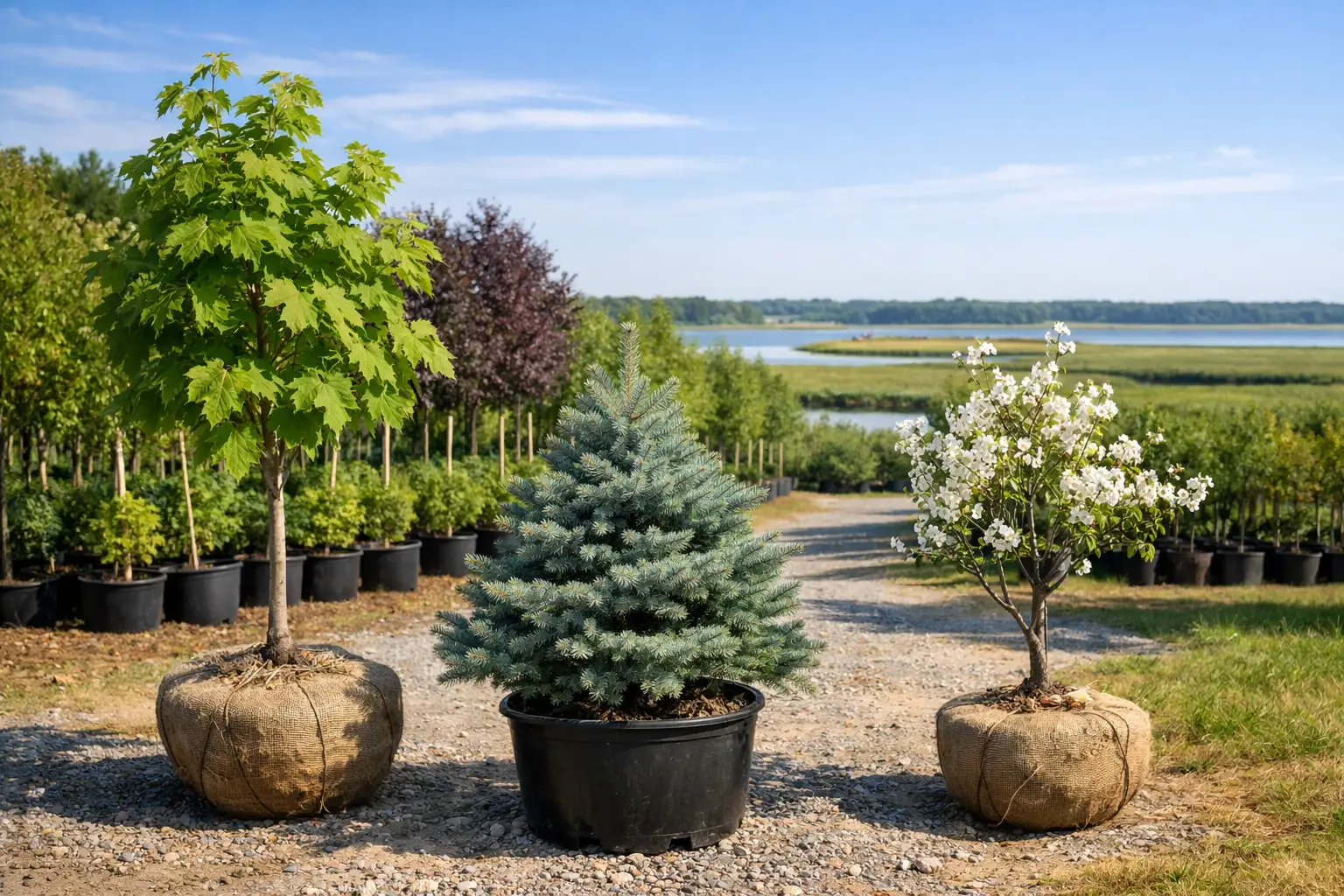
A tree can become the feature that makes a Long Island property feel established - or the plant that outgrows its spot, shades a garden bed, and creates years of avoidable work. This guide to choosing nursery trees starts with a simple idea: choose for the mature tree and the exact conditions in your yard, not just the way it looks in the nursery.
At the garden center, it is easy to be drawn to a full canopy, spring flowers, bright fall color, or the instant privacy of a tall evergreen. Those qualities matter. But sunlight, available space, soil drainage, utility lines, deer pressure, and the time you have for watering matter just as much. The right match delivers curb appeal now and long-term value for your home.
Start With the Job You Want the Tree to Do
Before choosing a variety, decide what you need the tree to accomplish. A front-yard specimen tree has a different role from a row of evergreens along a property line. A flowering tree near a patio needs a manageable canopy and minimal mess, while a shade tree should have room to develop broad, healthy branches.
For privacy, evergreen trees and hedge material create screening through every season. Arborvitaes, Green Giants, Leyland cypress, and skip laurels can all contribute to a greener boundary, but they do not have identical habits or spacing needs. A fast-growing tree may be the right fit when a neighbor-facing view needs coverage sooner, but it needs enough room to mature without crowding a fence, driveway, or foundation.
For shade, think ahead to where the canopy will fall in 10, 15, or 20 years. Shade can make a patio more comfortable and reduce heat around the home, yet it can also limit what grows below it. If you want sun-loving perennials, herbs, vegetables, or seasonal color nearby, protect the light those plants will need.
Ornamental trees are often chosen for flowers, foliage, bark, or fall color. They can bring a front foundation planting to life without overwhelming it. The trade-off is that some ornamental varieties have a shorter bloom period, fruit, or leaf drop. That does not make them a poor choice. It simply means the surrounding space should make sense for their seasonal character.
Read Your Yard Before You Shop
Long Island yards vary more than they may seem from one block to the next. A property in West Hempstead can have compacted soil near a driveway, a damp low section after heavy rain, and a sunny side yard with dry soil all at once. Looking closely at your own planting area is more useful than selecting a tree based on a neighbor's success.
Begin with sun exposure. Watch the space throughout the day if possible. Full sun generally means at least six hours of direct light, while part sun and shade areas receive less. A tree labeled for full sun may survive in a shadier setting, but it may become thin, grow unevenly, or produce fewer flowers and less color.
Drainage is equally important. After rain, note whether water disappears within several hours or stays pooled. Most trees do not tolerate constantly wet roots unless they are specifically adapted to moist conditions. Conversely, sandy or fast-draining soil may require more attentive watering while a new tree settles in.
Do not overlook wind. Exposed corners, open lawns, and coastal-influenced areas can dry out evergreen foliage in winter and challenge newly planted trees. A suitable variety, proper planting, and consistent moisture before the ground freezes give new trees a stronger start.
Guide to Choosing Nursery Trees by Mature Size
The tag may tell you how tall a tree is today, but mature height and width should drive the decision. A tree that looks compact in a container can eventually stretch over a roofline or spread across a walkway. Planting too close is one of the most common reasons healthy trees later require heavy pruning or removal.
Measure the distance from the planting spot to your house, garage, fence, driveway, patio, pool, and overhead wires. Then leave room for the tree's mature spread, not just its trunk. Root systems also need consideration. Large-growing trees belong well away from foundations, underground utility areas, septic systems, and hardscape where roots could become a concern.
A small property does not have to miss out on trees. It simply calls for intentional scale. Narrow upright evergreens, compact flowering trees, and smaller ornamental selections can add structure and beauty while respecting property lines. On larger lots, a shade tree or grouped evergreen screen may offer the broader impact you want.
Height is only part of the equation. Canopy form matters, too. A vase-shaped tree, a rounded shade tree, and a narrow columnar evergreen create very different visual effects. Consider what you will see from indoors, from the street, and from the areas where your family spends time outside.
Choose Healthy Nursery Stock
Once you have identified the right type of tree, inspect the individual plant. A healthy nursery tree should look balanced, well cared for, and proportionate to its container or root ball. The trunk should be free of major wounds, deep cracks, or obvious damage. Branches should be well attached, and foliage should have a healthy color for that variety and season.
Look beyond the top growth. If you can inspect the root area, avoid trees with roots circling tightly around the container or pushing aggressively above the soil surface. Root-bound trees can establish more slowly if their roots continue growing in a circle rather than outward into the surrounding soil. Balled-and-burlapped trees should have a firm, moist root ball that has not dried out or broken apart.
The tree does not need to be the largest one available to be the best choice. A slightly smaller, healthy tree with a strong root system often adapts more readily than an oversized tree that has been stressed by transplanting. The goal is a tree that will grow confidently in your landscape, not simply one that creates the biggest immediate effect.
Seasonal timing also affects what you see. Deciduous trees may be leafless while dormant, and that alone is not a sign of trouble. Ask knowledgeable nursery staff about the plant's expected seasonal appearance, care needs, and whether it is a good fit for your location.
Match the Tree to Long Island Conditions
The best tree for a Long Island landscape is not just attractive. It must handle the conditions it will actually face. Winter cold, humid summers, heavy rain events, dry stretches, salt exposure in certain areas, and deer browsing can all influence the outcome.
Deer resistance deserves a realistic conversation. Some trees are less appealing to deer than others, but no plant is completely guaranteed when food is scarce. Young trees are especially vulnerable to browsing and trunk damage. Protective measures may be worthwhile during establishment, particularly in areas with regular deer activity.
Soil pH and fertility can also affect plant performance, although drainage, sunlight, and watering usually deserve attention first. If a location has struggled repeatedly with plants, bring photos and details about the site when you shop. Information about the direction the area faces, how long it stays wet, and what has previously grown there can lead to a much better recommendation.
Native and adapted trees can be especially valuable choices because they are suited to regional weather patterns and can support the broader landscape. Still, there is no single answer for every yard. A sheltered suburban backyard, a windy open property, and a formal front entrance each call for a different approach.
Plant for a Strong First Year
Even the right tree needs a proper start. Dig a planting hole about two to three times wider than the root ball, but no deeper than the root ball itself. The point where the trunk widens into the roots should sit at or slightly above the surrounding grade. Planting too deeply can limit oxygen around the roots and create long-term decline.
Backfill with the soil that came out of the hole, breaking up large clumps as needed. Water deeply after planting to settle the soil around the roots. A layer of mulch helps retain moisture and moderates soil temperature, but keep it several inches away from the trunk. Mulch piled against bark can hold excess moisture and invite damage.
New trees need consistent watering, especially during their first growing season. Rain alone may not be enough during hot or dry periods. Water deeply so moisture reaches the root zone rather than giving quick, shallow drinks that encourage surface roots. The exact schedule depends on weather, soil, tree size, and exposure, so check the soil before watering again.
Pruning should be selective in the first year. Remove only broken, damaged, or clearly crossing branches unless a professional recommends structural pruning. Newly planted trees are already adjusting to a new environment, and aggressive cutting can add unnecessary stress.
When Professional Planning Makes Sense
A single tree can be a straightforward weekend project. A privacy screen, foundation redesign, front-yard refresh, or large shade-tree installation often benefits from a broader plan. Spacing, grading, sightlines, drainage, existing plant material, and future maintenance all work together. A well-designed landscape makes the tree look as though it has always belonged there.
For homeowners who want help connecting plant selection with installation and long-term care, Westminster Nursery brings local nursery knowledge and landscape experience to the same project. That can make a meaningful difference when you are choosing multiple trees, building privacy, or investing in a major change to your property.
Take a few photos of your planting area, measure the available space, and notice where sun and water move through the yard. With those details in hand, choosing a tree becomes less of a guess and more of an exciting step toward a landscape your family can enjoy for years.