
Commercial Landscaping Guide for Long Island
Use this commercial landscaping guide to plan welcoming, durable Long Island properties with seasonal color, plant choices, and reliable care year-round.
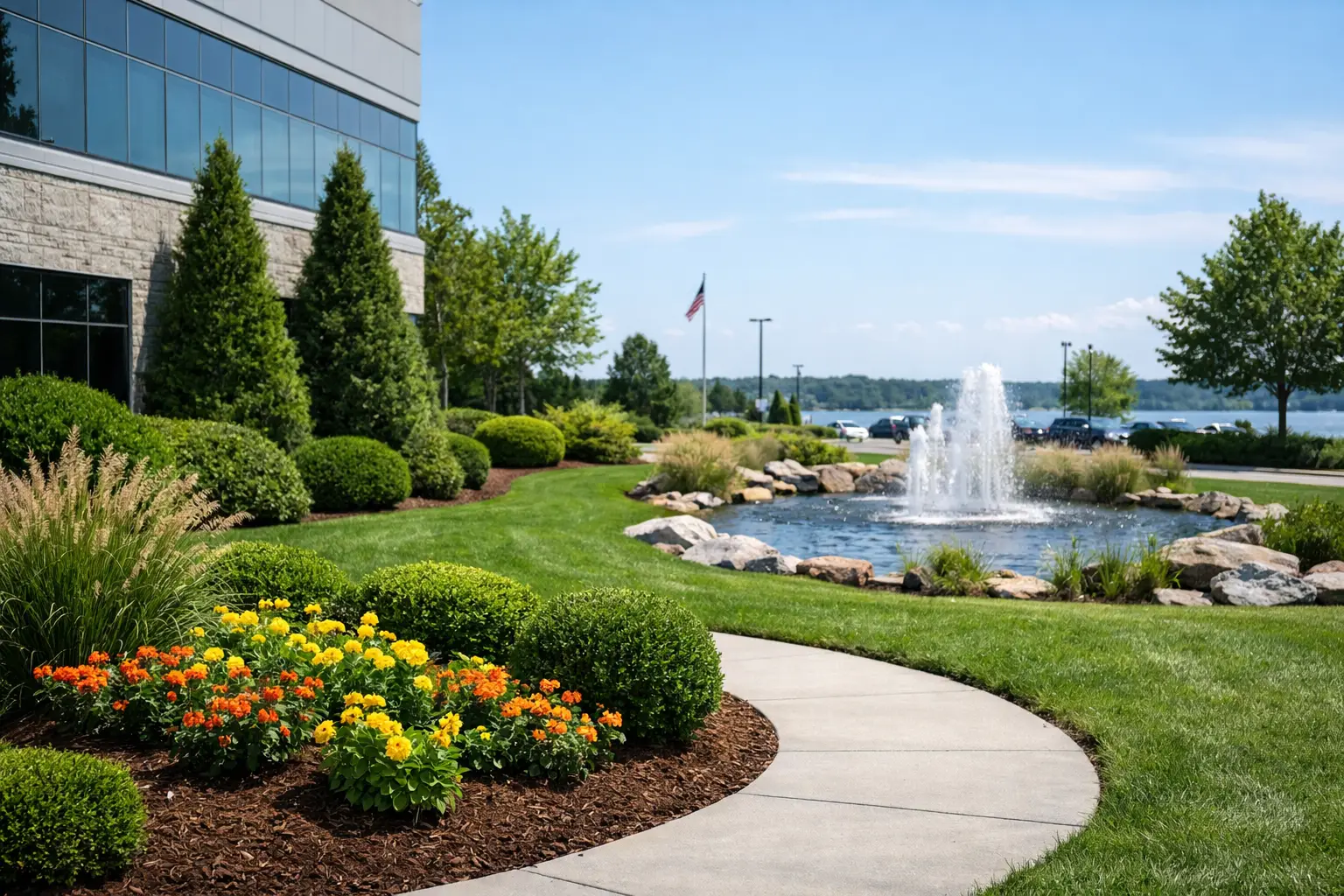
A commercial property starts making an impression before anyone reaches the front door. The condition of the entry beds, lawn, walkways, and parking areas signals whether a business, apartment community, medical office, or retail center is attentive and welcoming. This commercial landscaping guide helps Long Island property owners plan outdoor spaces that look polished, support daily use, and stand up to changing seasons.
Commercial landscaping is not just about mowing grass or placing a few shrubs by the sign. It is about creating a property that works for tenants, customers, employees, visitors, and maintenance crews. In Nassau County, that means choosing plant material and maintenance schedules that account for summer heat, coastal conditions, heavy rain, winter salt, and the pace of a busy property.
Start With the Property's Daily Use
The best commercial landscape plan begins with how people move through the site. A storefront needs clear, inviting entrances and seasonal color that supports curb appeal. A professional office may benefit from structured foundation plantings, shade trees, and an orderly entry sequence. Apartment and condominium properties often need durable common-area plantings, privacy screening, and landscape features that make residents feel at home.
Walk the property from the perspective of a first-time visitor. Is the main entrance obvious? Are sightlines at driveway exits clear? Do plantings crowd walkways, signage, light poles, or parking spaces? Is there a bare area that becomes muddy after rain? These practical questions should guide the design before plant selections begin.
Accessibility and safety should remain central. Trees and shrubs need room to mature without blocking lighting or visibility. Walkways should be kept clear of low branches, fallen leaves, and overgrown edges. Well-placed landscaping can direct foot traffic, soften hardscaping, and create a more comfortable arrival without becoming an obstacle.
A Commercial Landscaping Guide to Strong Plant Choices
Long Island landscapes need plants that offer more than a good first-season appearance. Commercial sites receive less individual attention than a home garden, so dependable performance matters. The right combination of trees, shrubs, perennials, groundcovers, and annual color can provide visual interest while keeping ongoing care realistic.
Evergreen shrubs and privacy hedges create structure throughout the year. Arborvitaes, Green Giants, Leyland cypress, and skip laurels are often considered for screening loading areas, defining property lines, or separating outdoor spaces. The best choice depends on sunlight, drainage, available width, desired height, and the level of privacy needed. A narrow planting strip may call for a different solution than a large perimeter buffer.
Deciduous trees bring shade, seasonal change, and scale, but placement matters. Trees near buildings, utility lines, sidewalks, and parking areas should be selected with mature size in mind. Smaller ornamental trees can add interest near an entry, while shade trees may be better suited to broad lawns or parking lot islands.
Annual flowers are a powerful tool for high-visibility areas. Containers, entrance beds, monument signs, and patio spaces can change with the season, giving returning visitors a reason to notice the property again. Spring bulbs and early color can brighten an entry after winter. Summer annuals deliver the bold color many retail and hospitality properties want. Mums, ornamental grasses, pumpkins, and seasonal displays can carry curb appeal into fall.
Perennials can reduce the need to replace every planting each season, but they still require thoughtful selection and periodic division, pruning, or cleanup. They work especially well when paired with evergreens and mulch beds, where their blooms and foliage add texture without asking the landscape to rely on flowers alone.
Build for Maintenance, Not Just Opening Day
A new commercial landscape can look complete on installation day and still become difficult to maintain if the design ignores long-term growth. Plants need enough spacing to develop naturally. Beds need clean edges and enough mulch to help manage weeds and retain soil moisture. Irrigation, when appropriate, should reach the root zones without overspraying sidewalks, storefront windows, or parked vehicles.
A practical maintenance plan typically includes mowing, edging, pruning, weeding, mulch refreshes, seasonal cleanups, and monitoring for pest or disease issues. The exact schedule depends on the property. A busy retail entrance may need regular attention because customers see it every day. A warehouse property may prioritize safe access, screening, and reliable grounds care over elaborate seasonal displays.
Do not overlook drainage. Standing water can damage turf, weaken plant roots, create slippery conditions, and leave a poor impression. Low areas may need grading adjustments, drainage solutions, or plants that tolerate occasional moisture. On the other hand, sunny beds beside pavement can become hot and dry quickly, which calls for tough, heat-tolerant selections and a smart watering plan.
Winter maintenance should also influence the layout. Snow storage, de-icing materials, plow routes, and vehicle traffic can all affect planting beds. Avoid placing delicate shrubs where piled snow or salt spray will be a recurring problem. Durable plant material and well-defined bed edges make it easier for crews to care for the site when weather turns rough.
Use Seasonal Color With Purpose
Seasonal displays should feel connected to the property, not added as an afterthought. A few coordinated colors at an entrance can look more intentional than too many varieties competing for attention. Containers are especially useful because they bring color closer to doors, patios, reception areas, and signage while allowing the display to change through the year.
For properties that welcome the public, seasonal landscaping can support the customer experience. Fresh spring planters, vibrant summer hanging baskets, fall arrangements, and holiday greenery make an arrival feel cared for. The scale should match the setting. A small medical office may need refined containers and tidy beds, while a larger shopping center can support more visible groupings and larger seasonal installations.
There is a budget trade-off here. Annual color delivers immediate impact but requires seasonal changeouts and regular watering. Permanent shrubs and perennials offer longer-term structure but may not create the same bold visual moment. Many successful properties use both: durable foundation plantings for consistency, then focused seasonal color at key touchpoints.
Protect the Investment With a Year-Round Plan
Commercial landscaping works best as an ongoing program rather than a single project. Spring is the time to assess winter damage, refresh beds, prepare turf, and install early color. Summer calls for monitoring irrigation, pruning where needed, and maintaining a crisp appearance during periods of heat and growth.
Fall is ideal for cleanup, planting many trees and shrubs, adding seasonal displays, and preparing beds for winter. Winter is the opportunity to evaluate what worked, plan improvements, and protect vulnerable areas before the next growing season begins. A property that receives consistent attention avoids the larger costs and visual setbacks that come from waiting until a problem becomes obvious.
Keeping a simple record of plant performance can help. Note which areas dry out quickly, where salt damage appears, which flowers last longest, and where foot traffic is wearing down turf. Over time, those observations lead to better plant choices and a landscape that becomes easier to manage.
Choose a Local Partner Who Understands the Site
Commercial properties benefit from a landscape team that can connect design, installation, plant sourcing, and ongoing maintenance. That coordination helps avoid a common problem: a landscape that looks attractive in a plan but is impractical for the site, season, or maintenance needs.
Westminster Nursery brings more than 30 years of local landscaping experience to commercial properties across Nassau County and Long Island. From privacy hedges and trees to seasonal color and recurring property maintenance, a knowledgeable local team can help create a landscape that fits the property and keeps working after the installation is complete.
Your outdoor space is part of the service your property provides every day. Give it the same attention you give your entryway, signage, and building exterior, and it can make every arrival feel more confident, comfortable, and cared for.