
12 Best Plants for a Shady Porch on Long Island
Find the best plants for a shady porch in Nassau County, from lush ferns to colorful begonias, plus practical tips for brighter, longer-lasting displays.
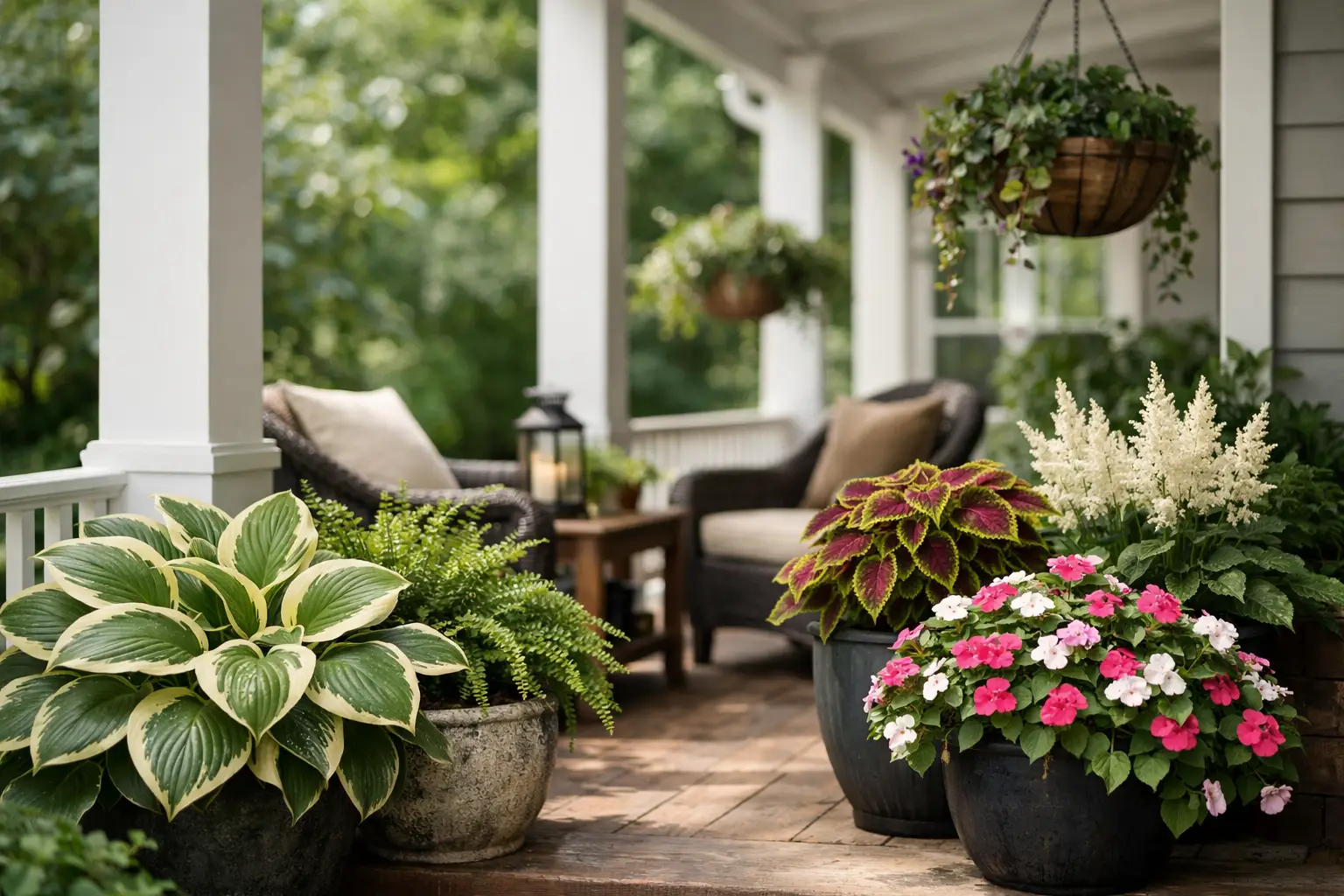
A porch that stays cool while the rest of the yard bakes can be one of the most inviting parts of a Long Island home. The trick is choosing plants that see shade as an advantage, not a limitation. The best plants for a shady porch bring color, texture, and fullness to those lower-light spots without asking for all-day sun.
Before filling every pot, take a look at the kind of shade you have. A covered porch with very little direct light needs different plants than a porch that gets gentle morning sun or bright, filtered afternoon light. On Nassau County properties, surrounding trees, roof overhangs, and the direction of the house can all change the light substantially from spring through fall.
Start With the Type of Shade on Your Porch
A porch facing north is often consistently shaded, while an east-facing porch usually receives softer morning light. West-facing porches can be shady early in the day but hot later on, especially when sunlight angles under the roofline. South-facing porches may look shaded at first, yet still get enough bright indirect light for many flowering plants.
Watch the area for a day before selecting plants. If there are several hours of direct morning sun, begonias, impatiens, coleus, and many hanging baskets can perform beautifully. If the space remains deeply shaded, lean into foliage plants, ferns, caladiums, and shade-tolerant houseplants. The goal is not to force sun-loving flowers into a dark corner. It is to make the conditions work for you.
Best Plants for a Shady Porch: Color That Lasts
New Guinea Impatiens
New Guinea impatiens are a strong choice for porches with bright shade or a little early-day sun. Their larger blooms and glossy leaves give containers a polished, high-color look, with shades of pink, red, lavender, orange, and white available throughout the season.
They need regular watering, especially in hanging baskets and smaller pots. Avoid placing them where hot afternoon sun hits for hours, since leaf scorch can become a problem. For an entryway that needs immediate color, a pair of full New Guinea impatiens containers makes a welcoming statement.
Wax Begonias and Tuberous Begonias
Begonias earn their place on shaded porches because there is a type for nearly every look. Wax begonias are dependable, compact plants with small flowers and green or bronze foliage. They are useful for window boxes, mixed planters, and front steps where you want neat, season-long color.
Tuberous begonias offer bigger, more dramatic blooms and are especially effective in pots or hanging baskets. Their flowers can look almost rose-like, but they are better suited to protected shade than windy, exposed locations. Keep the soil evenly moist but not waterlogged, and remove spent blooms to keep plants looking tidy.
Coleus
Coleus proves that a shady porch does not need flowers to feel colorful. Its leaves come in vivid combinations of lime green, burgundy, copper, purple, rose, and cream. A single well-grown coleus can fill a container quickly and make a strong visual impact from the curb.
Some newer varieties tolerate more sun than traditional coleus, but most are happiest with shade or filtered light. Pinch off flower spikes as they appear if you want the plant to keep putting energy into dense, colorful foliage. Coleus also pairs easily with begonias, ferns, and trailing vines.
Caladiums
For a porch with true shade, caladiums are hard to beat. Their heart-shaped leaves create bright patterns in white, pink, red, and green, often with dramatic veining that stands out even in low light. They bring a tropical feel to pots without requiring a tropical climate.
Caladiums like warmth, so wait until nighttime temperatures are reliably mild before setting them outside. They are especially useful in porch containers that need a bold center plant, surrounded by lower-growing begonias or trailing ivy. In a cool, wet stretch, allow the soil surface to dry slightly before watering again.
Ferns
A hanging fern is a classic porch plant for good reason. Boston ferns create soft, arching fronds that instantly make a covered porch feel established and lush. Kimberly Queen ferns have a more upright habit and can be easier to use in tall containers beside a doorway.
Ferns prefer consistently moist soil and humidity, which makes them well suited to protected porches. They may need a drink more often than expected during hot, breezy weather. If fronds begin turning pale or crispy, check whether the basket has dried out or is getting more direct sun than it can handle.
Browallia and Torenia
Gardeners looking for flowers beyond the usual impatiens should consider browallia and torenia. Browallia, sometimes called bush violet, produces blue, purple, or white blooms over fresh green foliage. Torenia has distinctive, cheerful flowers and a trailing or mounding habit that works beautifully in mixed containers.
Both appreciate shade and evenly moist soil. Their cool-toned flowers are especially attractive with silver foliage, chartreuse coleus, or dark-leaved begonias. These are excellent choices when you want a porch display that feels a little more distinctive while still being easy to enjoy.
Foliage Plants That Make Shade Feel Intentional
Flowering plants are only part of a successful shady porch. Foliage gives containers structure and helps them stay attractive between bloom cycles. For a fuller, layered display, combine a tall focal point, a mounding middle layer, and a trailing plant that softens the edge of the pot.
Elephant ears make a dramatic focal point with oversized leaves that suit large pots near an entry or seating area. Their bold scale works best when the container is substantial enough to balance the plant. Smaller porches may be better served by compact caladiums or upright ferns.
Rex begonias offer patterned leaves in silver, plum, green, and pink tones. They are ideal for sheltered spots because their foliage is the main attraction. Heuchera, also known as coral bells, can add textured leaves in caramel, purple, lime, or deep burgundy, particularly on porches that receive some morning light.
For trailing texture, use English ivy, creeping Jenny, or sweet potato vine based on your light level. English ivy is useful in deeper shade. Creeping Jenny brings bright chartreuse color but appreciates moisture. Sweet potato vine is vigorous and colorful, though it generally performs best with brighter shade rather than a very dark porch.
Build Containers With Contrast, Not Clutter
A shady porch can quickly look flat if every pot is filled with the same green plant. Contrast is what makes the display read from the sidewalk. Pair broad caladium leaves with fine fern fronds. Set dark-leaved begonias next to bright coleus. Add a trailing plant to pull the eye down the container.
Choose fewer varieties for small pots, since overcrowding creates more watering demands and less airflow. A 12-inch container might need one coleus, one begonia, and a trailing ivy. A larger porch planter can handle a fern or elephant ear as the centerpiece with several supporting plants around it.
Container color matters, too. White, terra-cotta, charcoal, and glazed blue pots all work well in shade, where their finish will not fade as quickly as it can in intense sun. Use matching containers for a clean, formal entrance or mix complementary styles for a more relaxed cottage-garden look.
Care Tips for Shady Porch Plants on Long Island
Shade does not mean plants need less attention. Covered porches often stay dry because rain cannot reach the containers, while humid weather can keep soil wet longer than expected. Check the soil with your finger rather than watering on a rigid schedule. When the top inch feels dry, water thoroughly until it drains from the bottom of the pot.
Good drainage is essential. Use containers with drainage holes and a quality potting mix designed for containers. Garden soil is too dense for porch pots and can hold excessive moisture around roots. During the growing season, a regular feeding routine helps flowering annuals and vigorous foliage plants stay full and colorful.
Airflow also matters. Avoid packing containers tightly against the house or clustering so many plants together that leaves stay damp. If you notice yellowing leaves, weak growth, or fewer flowers, reassess the light, watering, and spacing before assuming the plant needs more fertilizer.
For homeowners who want a porch that coordinates with the rest of the property, Westminster Nursery can help match shade-loving annuals, tropicals, hanging baskets, and container-ready foliage to your home’s style and seasonal color plan.
Bring Your Porch to Life One Pot at a Time
The most successful shady porch displays feel generous rather than apologetic. Start with one strong container near the door, add a hanging fern or flowering basket where the light allows, and build from there. With the right mix of foliage, flowers, and attentive watering, that cool corner can become the place everyone chooses to sit.