
A Backyard Landscape Makeover That Works Hard
Plan a backyard landscape makeover for Long Island living with plants, privacy, patios, and seasonal color suited to the way your family often gathers.
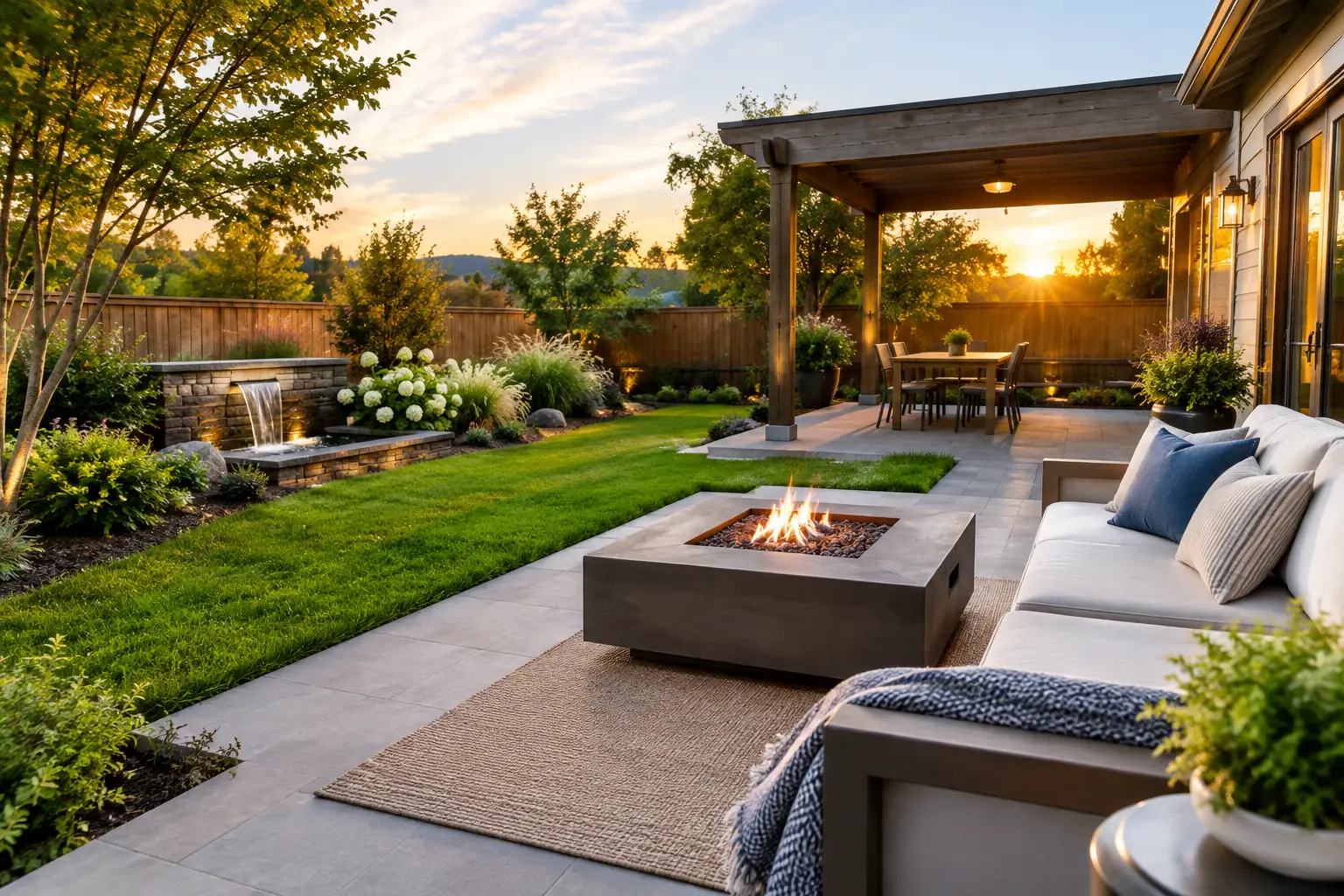
The best backyard landscape makeover does more than make a property look polished from the kitchen window. It gives your family a place to eat outside, lets children play without trampling new beds, creates privacy from nearby homes, and brings color to the view in every season. On Long Island, where lots can be compact and summers are made for being outdoors, every planted corner and hardscape choice should earn its space.
A successful project starts with the way you actually live outside, not with a cart full of plants. Think about where the sun lands at dinner, which view needs screening, where water gathers after a hard rain, and how you move from the house to the yard. Those details turn a nice-looking plan into an outdoor space that feels easy to use.
Start Your Backyard Landscape Makeover With a Plan
Before selecting shrubs, pavers, or patio furniture, divide the yard into a few working areas. Most backyards need a place to gather, a route to get there, planted edges that soften the space, and a practical solution for privacy or an unattractive view. A larger property may have room for a dedicated dining patio, fire feature, garden beds, and a play lawn. A smaller yard may work better with one flexible patio and layered planting around the perimeter.
Start by deciding what needs to change most. If the backyard feels exposed, privacy planting may come first. If everyone ends up standing in the grass around a grill, a patio or expanded sitting area could make the biggest difference. If the yard already has strong bones but looks flat, fresh beds, flowering perennials, and containers may deliver the transformation you want.
It is tempting to tackle everything at once, but phases are often the smart choice. Install drainage, grading, patios, walls, and irrigation before delicate planting. Those structural elements are harder to change later, and they affect how every plant performs. Then build outward with trees, screening, shrubs, and seasonal color as the plan and budget allow.
Build the Yard Around How You Gather
A patio should feel connected to the house, but it should not be the only surface in the yard. Add a path to a tucked-away bench, a garden gate, or a small fire-pit area to make the property feel larger and more intentional. Curved paths can soften a traditional landscape, while clean rectangular lines work well with contemporary homes. The right choice depends on the architecture of the house and the character of the property.
Leave room for circulation. Dining chairs need space to pull out, grills need a sensible location away from busy traffic, and paths should be wide enough for people carrying trays, garden tools, or pool gear. These are practical details, but they are often what make a finished landscape feel comfortable instead of crowded.
Lighting deserves attention early in the process. Low path lights improve evening safety, while subtle uplighting can bring a favorite tree, ornamental grass, or stone wall into view after dark. Avoid treating lighting as an afterthought. The goal is to extend the use of the yard, not wash it out with harsh brightness.
Give Privacy Planting the Right Space
Privacy is one of the biggest reasons Nassau County homeowners update their backyards. Evergreen screening creates a living boundary, cuts down on sightlines, and makes patios feel more relaxed. Arborvitaes, Green Giant arborvitaes, Leyland cypress, and skip laurels are popular options, but they do not all fit every property.
A fast-growing screen can be appealing, yet mature width matters just as much as height. Planting too close to a fence, foundation, or patio creates problems later, especially when branches begin to compete for space. A layered screen often looks more natural than one solid row: taller evergreens create the backbone, while flowering shrubs and perennials add depth in front.
For a narrow side-yard view, a hedge may be the answer. For a broad open boundary, a mix of evergreens and deciduous shrubs can give privacy while keeping the planting more varied. Sun exposure, soil conditions, deer pressure, and the amount of ongoing pruning you want to do should guide the final selection.
Choose Plants That Keep Giving
A backyard should not peak for two weeks in May and then fade into green. Build a sequence of interest with spring blooms, summer flowers, foliage contrast, autumn color, and evergreen structure for winter. Trees and shrubs provide the long-term framework, while annuals, hanging baskets, and containers deliver quick seasonal impact near patios, entries, and entertaining areas.
For sunny locations, flowering perennials, ornamental grasses, and compact shrubs can create a full, colorful border that does not need constant replacement. Shadier corners call for a different approach, with foliage texture and shade-tolerant plants doing more of the work. The right plant is not simply the prettiest one on the bench. It is the one that suits the light, drainage, scale, and maintenance level of that specific spot.
Container gardens are especially useful when you want a quick refresh without rebuilding a bed. A bold tropical, colorful annuals, trailing accents, and a tall focal plant can turn a plain patio into a seasonal destination. Switch the planting as the weather changes to keep the space looking cared for through spring, summer, and fall.
Keep Lawn Where It Serves a Purpose
A broad lawn can be valuable for children, pets, and casual games, but not every corner needs turf. Grass struggles in deep shade, on steep slopes, and in narrow strips that are difficult to mow. Replacing those areas with planting beds, groundcover, mulch, or a simple path can reduce maintenance and add visual interest.
Keep open lawn where it supports the way your household uses the yard. Shape it with curved beds or structured borders rather than treating it as leftover space. The result is easier to maintain and gives trees, shrubs, and flower beds a chance to frame the property.
Make Room for the Details That Change Everything
The finishing layer is where a landscape begins to feel personal. A specimen tree can anchor a new bed. A flowering shrub beside the patio can scent the air during outdoor dinners. Fresh mulch gives planting areas a crisp edge and helps hold moisture in the soil. Decorative pots, a birdbath, or a seasonal display can add personality without overwhelming the design.
Water management is another detail worth addressing before it becomes a larger problem. Downspouts that empty into planting beds, low areas that remain soggy, and runoff near a patio can undermine a beautiful project. In some yards, modest grading or drainage improvements are as valuable as a new border of plants because they protect the investment you are making above ground.
Maintenance should be planned, not guessed at. A densely planted garden can look lush, but it may require regular pruning, deadheading, watering, and cleanup. If weekends are already full, choose durable shrubs, well-spaced perennials, and mulch beds with clean edges. If you enjoy tending a garden, reserve a visible, sunny area for vegetables, herbs, and seasonal flowers where you can enjoy the work.
Bring Local Experience Into the Design
Long Island landscapes face real conditions: humid summers, winter wind, changing light, compact properties, and soil that can vary from one yard to the next. A plant that looks great in a display still needs the right placement and enough room to mature. That is why a walkthrough of the property is often the best starting point for a significant project.
Westminster Nursery brings together the plant selection, seasonal color, privacy materials, and professional landscape experience homeowners need to move from a rough idea to a finished outdoor setting. Whether the project calls for a new patio planting, a privacy screen, a refreshed foundation bed, or a complete redesign, choosing plants and materials with a clear plan prevents expensive do-overs.
Begin with one area you notice every day - the view from the back door, the bare edge of the patio, or the fence line that needs screening. Improving that space thoughtfully can set the direction for a backyard you will be glad to use whenever the weather calls you outside.