
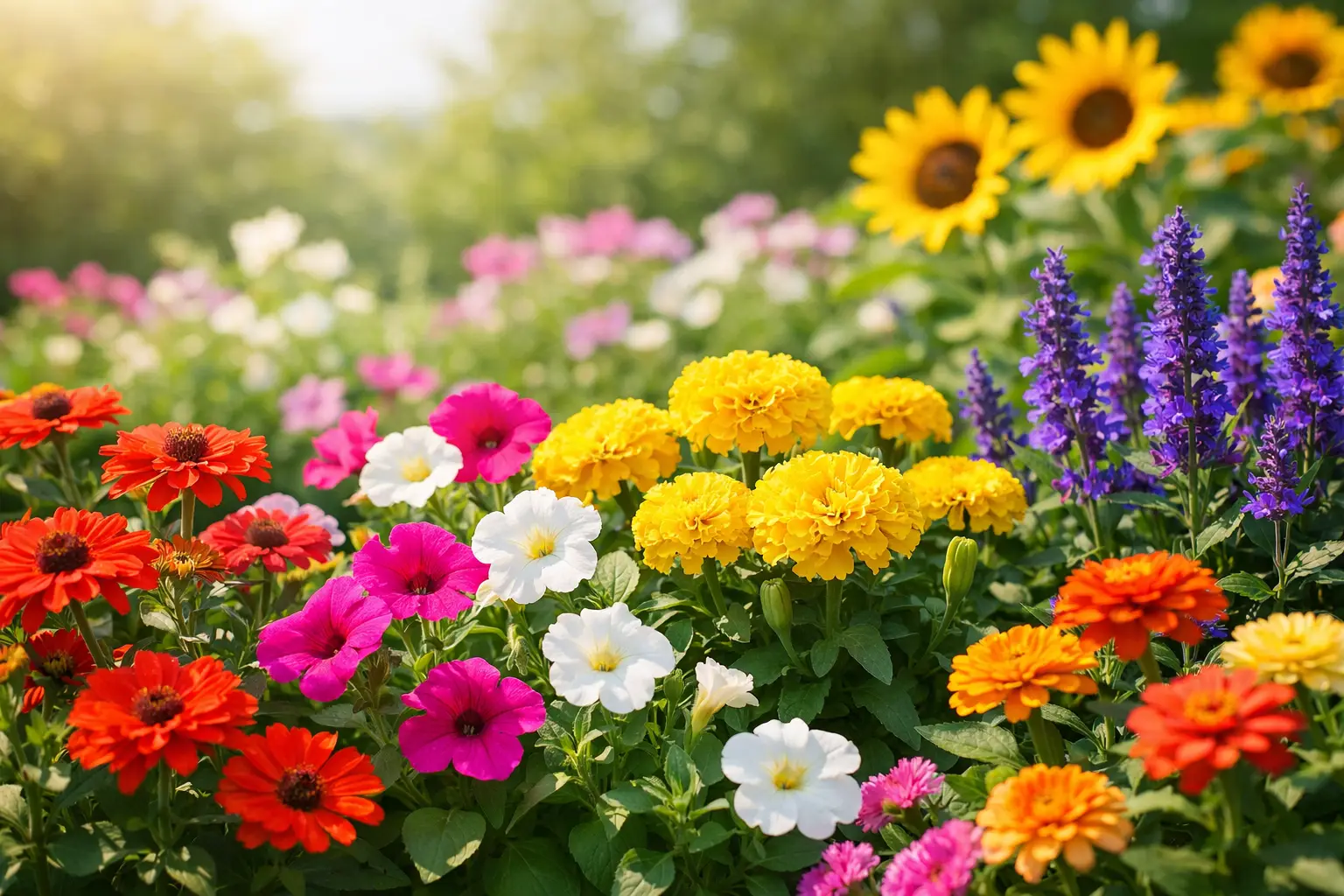
By mid-July, the difference between a planted pot and a really successful one is easy to spot. The winners are the annual flowers for full sun that keep pushing color through heat, reflected light, and long afternoons without looking tired by dinner time. For homeowners across Nassau County and Long Island, that matters – because sunny front beds, porch planters, mailbox gardens, and poolside containers need plants that can handle real summer conditions and still look like you meant to impress.
Why annual flowers for full sun earn their spot
Sunny spaces are often the most visible parts of the property. They frame the entry, brighten the patio, and carry the color that makes a house feel finished from spring through fall. That is exactly where annuals shine. They grow fast, flower hard, and let you refresh the look of your landscape every season.
The trade-off is simple. Full-sun annuals usually ask for more consistent watering and feeding than shrubs or established perennials. If they are going to bloom nonstop, they need support. The good news is that the payoff is immediate color, strong curb appeal, and the flexibility to swap styles from bold and tropical to soft and classic.
The best annual flowers for full sun in Long Island gardens
Not every sunny annual performs the same way. Some are built for containers, some spread beautifully through beds, and some thrive even when July gets hot and dry. Choosing the right mix makes maintenance easier and the display much stronger.
Petunias for nonstop color
Petunias are still one of the most reliable choices for full sun, and for good reason. They bloom heavily, come in just about every color, and work in hanging baskets, window boxes, mixed planters, and garden beds. If you want instant impact near the front walk or on a sunny deck, petunias do the job quickly.
Their main need is regular feeding and a little cleanup. Some newer varieties are more self-cleaning than older types, but all petunias look better when they are watered consistently and not left to dry out for too long. In containers, that can mean daily attention during peak summer heat.
Geraniums for structure and staying power
Geraniums bring a different kind of value. They offer tidy form, bold flower clusters, and strong performance in hot, sunny spots. They are especially useful for homeowners who want a more polished look in porch pots, entry containers, or formal beds.
They do not trail or spread the way petunias do, so they are often best used where you want shape and height rather than a cascading effect. Red, coral, pink, and white varieties all read clearly from the street, which makes them a smart curb appeal plant.
Marigolds for dependable summer performance
If you want color that keeps going with minimal drama, marigolds deserve a place in the conversation. They tolerate heat well, flower steadily, and bring bright gold, orange, and yellow tones that feel right at home in summer landscapes. They also fit nicely into vegetable gardens, walkway borders, and sunny mixed beds.
Marigolds are not the most delicate-looking annual, and that is part of the appeal. They are sturdy, cheerful, and useful. For families who want seasonal color without constant fussing, they are often one of the easiest wins.
Zinnias for bold, upright color
Zinnias thrive in full sun and bring a fresh, high-energy look to beds and cutting gardens. They bloom in vivid shades, attract pollinators, and give you upright stems that stand out among lower-growing plants. In a sunny bed that needs height and movement, zinnias can carry a lot of visual weight.
The key with zinnias is spacing. If they are packed too tightly, airflow drops and the foliage can suffer. Give them room, keep water at the soil line when possible, and they reward you with weeks of strong color.
Vinca for hot, dry stretches
When the heat settles in and some annuals start to slow down, vinca often keeps moving. It is one of the best choices for full sun areas that get intense exposure and may not be watered as often as premium containers by the front door. Vinca stays neat, blooms steadily, and handles tough summer weather well.
This is a good plant for driveway beds, islands, curbside plantings, and other spots where conditions can be harsher. It does not have the same lush look as a thirsty petunia basket, but it makes up for that with resilience.
Lantana for heat and pollinator appeal
Lantana brings bright flower clusters and excellent heat tolerance, especially in sunny containers and mixed borders. It has a slightly looser, more relaxed habit than geraniums or marigolds, which makes it useful when you want a planting to feel colorful without looking stiff.
It is especially appealing if you enjoy seeing butterflies and other pollinators around the yard. In the right sunny location, lantana can be one of the hardest-working annuals of the season.
Portulaca for the hottest spots
Some locations are just brutal – baking stone borders, sunny patio edges, and shallow containers that dry out fast. Portulaca is made for those spots. Its succulent foliage helps it handle heat and dry conditions better than many traditional annuals, and its flowers open brightly in strong sun.
This is not the plant for a lush, cottage-style display. It is the plant for difficult sunny areas where you need color and know the site is going to be unforgiving.
Where full-sun annuals perform best
Annual flowers for full sun are incredibly flexible, but placement still matters. In-ground beds usually hold moisture longer and give roots more room, so plants can grow larger and require less frequent watering than those in pots. Containers, on the other hand, let you create concentrated color exactly where people see it most.
For front entries and patios, combinations usually work best. You might use geraniums or zinnias for height, petunias for spill, and a heat-tolerant filler to round things out. In wider landscape beds, repeating one or two annuals in larger drifts often looks cleaner and more intentional than trying to fit in every color on the bench.
Around pools, driveways, and reflective surfaces, lean toward tougher performers like vinca, lantana, marigolds, and portulaca. These sites often run hotter than expected, and plants that look great in a protected backyard bed may struggle there.
What full sun really means before you buy
A lot of planting frustration comes from one simple mismatch. A spot may feel sunny, but if it only gets four or five hours of direct light, some sun-loving annuals will bloom less aggressively. Full sun generally means at least six hours of direct sun, and many of the strongest performers prefer even more.
It also helps to think about the type of sun. Morning sun is bright but gentler. Harsh afternoon sun, especially near pavement or masonry, raises the stress level fast. If your site gets intense afternoon exposure, choose varieties known for heat tolerance instead of picking by flower color alone.
How to keep sunny annuals looking strong all season
The best planting starts with good soil and the right container size. Crowded roots dry out faster and become harder to manage in summer. Larger pots hold moisture better, and beds improved with quality soil tend to support stronger growth and more even flowering.
Watering is where the season is won or lost. Deep, thorough watering is better than quick surface splashes. Containers may need water every day in hot weather, while in-ground beds may go longer depending on soil and exposure. If plants are wilting by late afternoon every day, they are telling you the site is demanding more than the current routine provides.
Feeding matters too. Most blooming annuals perform better with regular fertilizer during the growing season. Deadheading helps some varieties continue flowering, while others are bred to keep going with less cleanup. It depends on the plant, which is why in-person guidance makes a difference when you are choosing for specific beds or containers.
Choosing color with your home and property in mind
There is no single right palette for annuals, but there is a smart one for your space. Bright reds, oranges, and yellows create strong street visibility and pair well with traditional front entries. Pinks, purples, and whites can soften brick, stone, or light-colored siding. Mixed plantings feel lively and abundant, while single-color mass plantings often look more upscale and organized.
For larger properties, repeating the same annual flowers in planters and beds can tie the whole landscape together. That kind of consistency makes even simple plantings feel more professionally designed. If you are balancing front curb appeal with backyard entertaining areas, it often makes sense to go bolder in visible front beds and a little more relaxed around patios and outdoor living spaces.
When you want strong summer color without guessing, a local garden center with a broad annual selection can help you match plant performance to real Long Island conditions. Westminster Nursery helps homeowners shop for sun-loving annuals, containers, hanging baskets, and larger landscape needs all in one place, which makes seasonal updates a lot easier.
The right annuals do more than fill a bed. They make the sunny parts of your property feel finished, lively, and ready for the season ahead.