
Why Are My Hydrangeas Drooping? Fixes That Work
Why are my hydrangeas drooping? Learn how heat, dry roots, wet soil, transplant shock, and heavy blooms cause wilt in Long Island gardens, plus care tips
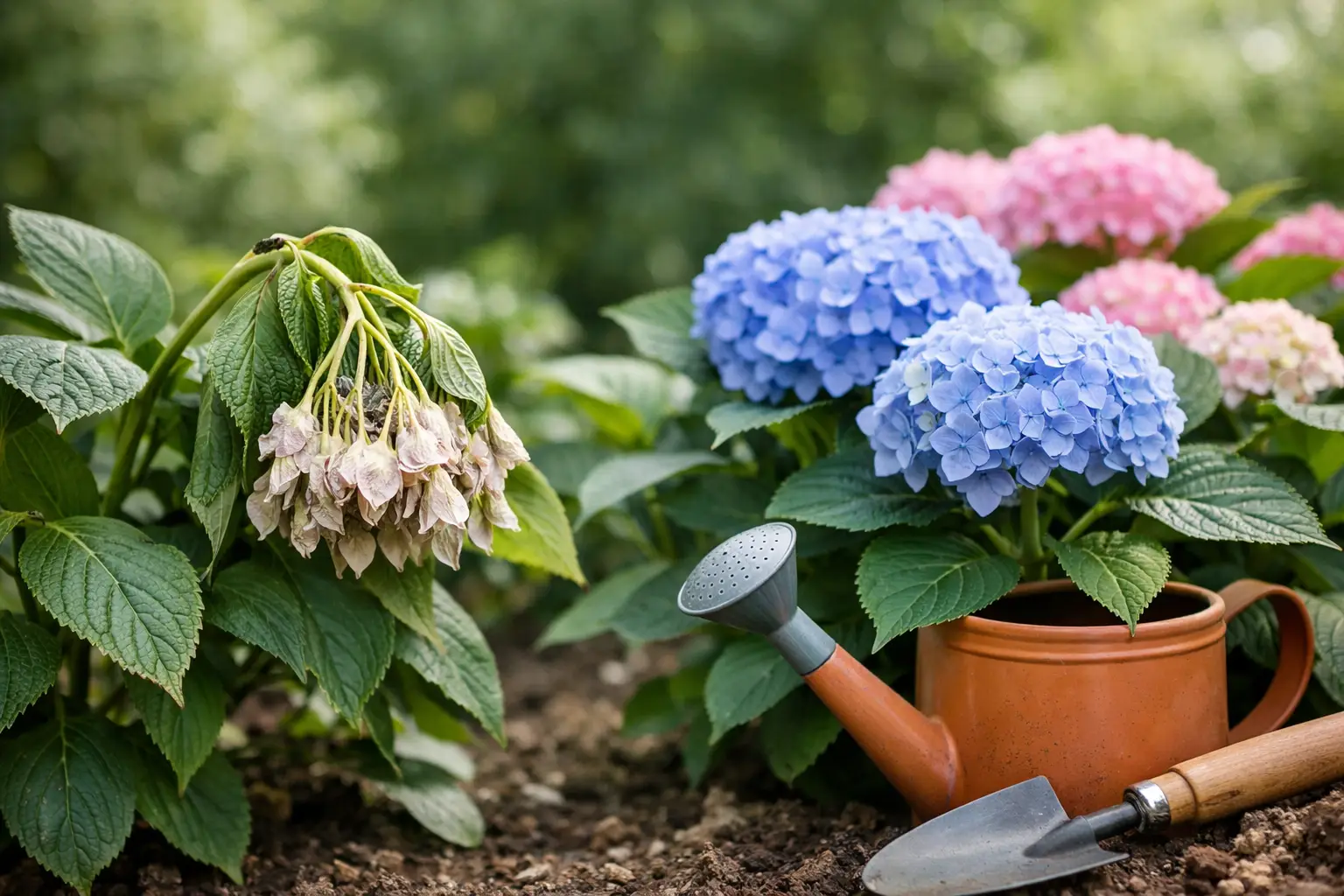
A hydrangea can look perfectly healthy at breakfast and completely wilted by midafternoon. If you are asking, why are my hydrangeas drooping, do not reach for the hose automatically. On Long Island, summer heat, sandy soil, humid nights, sudden storms, and container growing can all produce the same sad-looking leaves for very different reasons. The right fix depends on what the plant and soil are telling you.
Why are my hydrangeas drooping in the heat?
The most common answer is temporary heat stress. Bigleaf hydrangeas, including mopheads and lacecaps, have broad leaves that lose moisture quickly. When afternoon sun is intense, the plant may transpire water faster than its roots can replace it. Leaves and flowers soften, stems lean, and the whole shrub can appear dramatically wilted.
Check it again in the evening or early the next morning. If the foliage has perked up after temperatures drop, your hydrangea was likely reacting to heat rather than suffering lasting damage. Watering deeply at the root zone can help during a dry stretch, but avoid repeatedly soaking a plant whose soil is already moist. Too much water creates a different problem.
Afternoon shade is especially valuable for hydrangeas in Nassau County gardens. Morning sun with protection from the hottest late-day rays is often the sweet spot. A shrub planted against a heat-reflecting fence, driveway, patio, or brick wall may need more protection than one growing in an open, mulched bed.
When heat wilt becomes a concern
A little afternoon droop that disappears overnight is usually manageable. Persistent wilt is not. If leaves remain limp in the morning, turn yellow, develop brown edges, or drop, inspect the soil before watering. The roots may be dry, but they may also be sitting in saturated soil and unable to take up water.
Check the soil before you water
Hydrangeas prefer consistently moist, well-drained soil. That phrase matters because moist and wet are not the same thing. Stick a finger two to three inches into the soil near the base of the plant, away from the stem. If it feels dry at that depth, give the shrub a slow, thorough watering. If it feels soggy or muddy, wait and investigate drainage instead.
A quick sprinkle wets the surface but may not reach the active roots. Deep watering encourages roots to grow farther into the soil, where they are less vulnerable to a hot afternoon. For an established in-ground hydrangea, water slowly enough that moisture penetrates several inches down rather than running off across the bed.
Newly planted hydrangeas need closer attention. Their root systems are still limited to the original root ball, which can dry out faster than the surrounding soil. During the first growing season, check them often, particularly after windy weather or several hot days in a row.
Signs your hydrangea is too dry
Dry soil is often light in color and may pull away from the sides of a container. Leaves feel thin or papery, and flower heads may crisp along their edges. The plant may rebound noticeably after a deep drink.
Container hydrangeas are particularly prone to this. A pot can go from evenly moist to bone dry in a single warm, breezy day. Check containers daily during summer, and make sure the pot has drainage holes. Water until moisture runs through the bottom, then let excess water drain away.
Signs your hydrangea is too wet
Overwatered hydrangeas can droop just as much as thirsty ones. The difference is that the soil stays wet, leaves may yellow from the bottom upward, and stems can feel soft. A sour smell, standing water near the root zone, or blackened roots are stronger warnings that drainage is poor.
Do not keep adding water to a wilted plant without checking first. Roots need oxygen. In heavy clay soil or a low spot in the yard, prolonged saturation can lead to root rot and a slow decline that looks like thirst from above.
If drainage is the issue, improve the planting area rather than trying to outwater the problem. A slightly raised bed, well-prepared soil, and a layer of mulch can make a meaningful difference. Avoid piling mulch against the stems, where it holds unwanted moisture and can encourage disease.
Drooping blooms may simply be too heavy
Large hydrangea flower heads are beautiful, but rain can turn them into waterlogged weights. After a downpour, stems may bow under oversized blooms even while the leaves look healthy. This is common with mophead varieties and does not always mean the plant is in trouble.
Gently shake excess water from flower heads if possible, then give stems time to recover. A discreet plant support can keep a young or heavily flowering shrub from sprawling. If a stem has snapped, make a clean cut just above a healthy pair of leaves.
Sometimes the blooms themselves are simply reaching the end of their display. Older flowers often soften, fade, and hang before the foliage does. Deadheading can tidy the plant, but be cautious with pruning. Many hydrangeas form next year’s flower buds on older wood, and cutting too aggressively can remove future blooms.
Recent planting, pruning, and fertilizer can cause drooping
A hydrangea that droops after planting may be dealing with transplant stress. Roots were disturbed, and the plant has not yet adjusted to its new soil, light, and moisture conditions. Keep the root zone evenly moist, shield it from harsh afternoon sun if practical, and resist the urge to fertilize heavily right away.
Too much fertilizer can stress roots and push soft, fast growth that wilts easily. Hydrangeas generally respond better to a measured feeding plan than repeated applications. If you fertilize, follow the product directions and consider the plant’s age, soil condition, and bloom type.
Pruning at the wrong time can also leave a hydrangea sparse or weak. Before cutting back a drooping shrub, identify what type you have. Panicle and smooth hydrangeas bloom on new growth and are usually pruned in late winter or early spring. Bigleaf and oakleaf hydrangeas often bloom on older wood, so major pruning after buds form can cost you flowers.
Look for pests, disease, and damaged stems
Most drooping hydrangeas are responding to water or weather, but inspect closely if the problem is isolated to one section of the shrub. A bent, chewed, or cracked stem can cut off water to leaves and blooms above it. Remove badly damaged stems with clean pruners.
Leaf spots, mildew, and pests may weaken a plant, especially when foliage stays wet for long periods. Water at the soil line rather than overhead whenever possible, and give shrubs enough space for air to move around them. Remove fallen diseased leaves from the bed instead of leaving them under the plant.
Deer browsing can also leave hydrangeas looking uneven or suddenly deflated. Torn stem tips and missing new growth are clues. Protecting vulnerable shrubs early in the season is easier than trying to restore a heavily browsed plant later.
A practical recovery plan for drooping hydrangeas
Start with observation, not guesswork. Check the soil several inches down, inspect stems for damage, and note whether the plant revives after sunset. Then match the response to the cause: water deeply when the root zone is dry, pause watering and address drainage when it is saturated, and provide shade support when repeated heat is the trigger.
A two-to-three-inch layer of organic mulch helps stabilize soil moisture and keeps roots cooler, especially through Long Island’s hottest weeks. Keep that mulch a few inches away from the stems. If your hydrangea is in a container, move it out of harsh afternoon exposure when possible and stay ahead of daily watering needs.
For shrubs that continue to wilt despite correct watering, bring clear photos and a sample of affected leaves to Westminster Nursery. Seeing the leaf pattern, blooms, and planting conditions can make it much easier to separate a simple heat response from a drainage, disease, or placement problem.
Hydrangeas are expressive plants, and that is part of their charm. A dramatic afternoon droop is often their way of asking for cooler roots, steadier moisture, or relief from intense sun. Read the soil first, make one thoughtful adjustment at a time, and give the plant a chance to respond.