
When Should Bulbs Be Planted on Long Island?
Wondering when bulbs should be planted on Long Island? Get practical timing tips for tulips, daffodils, summer color, and healthy blooms in your yard.
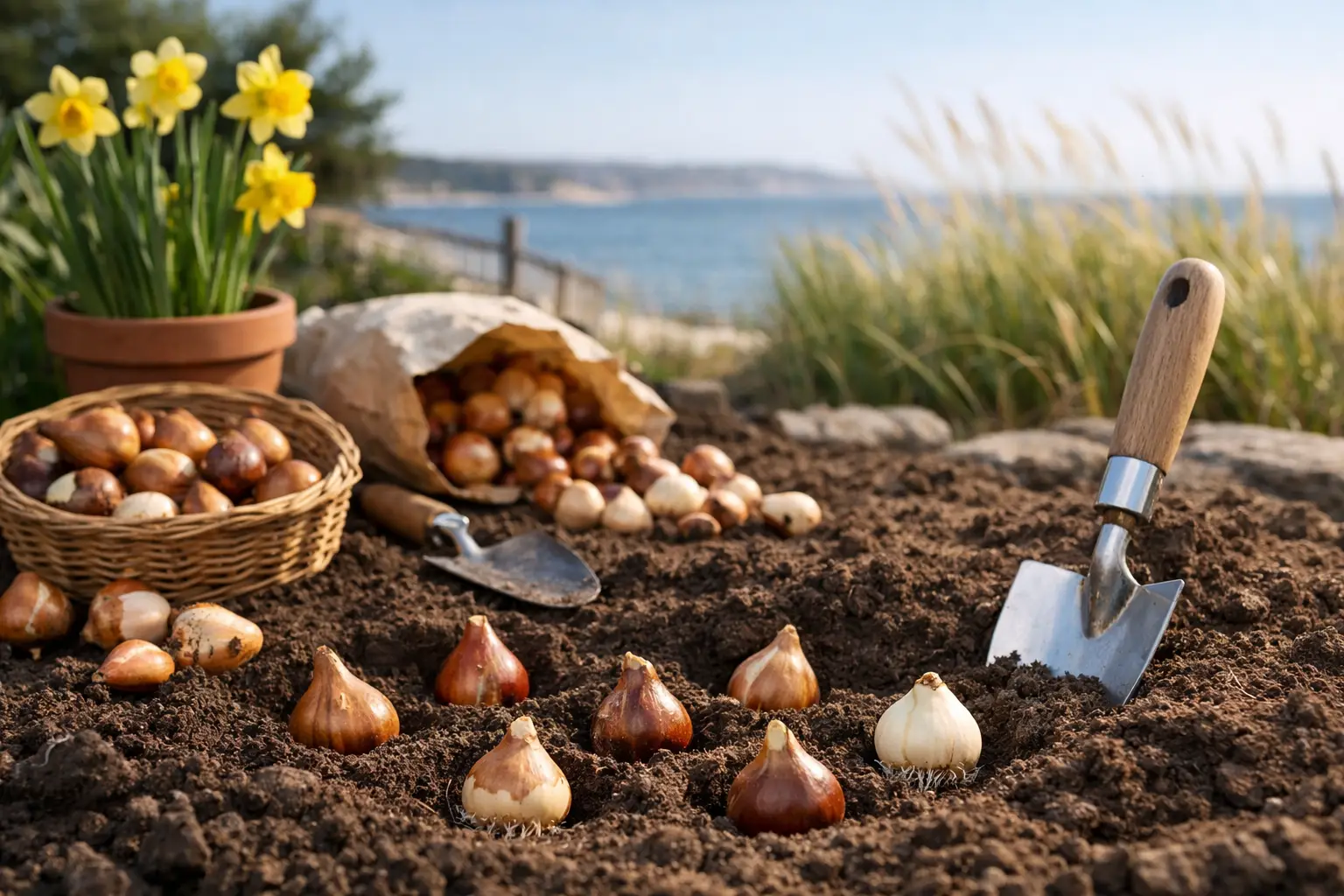
A bag of tulip bulbs can look like a promise of spring, but planting it during a warm September stretch can lead to disappointing results. When customers ask, “when should bulbs be planted?” the best answer depends on whether they are planting hardy spring-blooming bulbs or tender summer-blooming varieties. On Long Island, timing matters because our soil stays warm well after the first hints of fall.
When Should Bulbs Be Planted for Spring Blooms?
Spring-flowering bulbs should be planted in fall. Tulips, daffodils, hyacinths, crocuses, alliums, grape hyacinths, and snowdrops need a period of winter cold to develop strong roots and flower well the following spring.
For Nassau County and much of Long Island, the ideal planting window is generally from late September through November. October is often the sweet spot. The summer heat has eased, the soil is still workable, and bulbs have enough time to root before the ground becomes consistently cold.
Do not rush just because bulbs have arrived in stores. Early fall air can feel cool while the soil remains too warm. For most hardy bulbs, wait until soil temperatures are near 55 degrees or lower. Planting in overly warm soil can encourage early top growth or create conditions that increase the chance of rot and disease.
If autumn gets busy, do not assume you have missed your chance. Bulbs can often be planted into December as long as the ground has not frozen solid. They may flower a little later or with slightly less vigor in their first season, but planting them is usually better than leaving them in a warm garage or basement.
The fall-blooming exceptions
A small number of bulbs flower in fall rather than spring. Autumn crocus and colchicum are planted in late summer to early fall, typically August through September, so they can settle in before blooming. Their schedule is different from tulips and daffodils, so always check the variety label before planting.
Plant Tender Summer Bulbs After Frost Danger Passes
Not every bulb belongs in the ground during fall. Dahlias, gladiolus, calla lilies, cannas, caladiums, elephant ears, and tuberous begonias are tender summer bloomers. They do not tolerate a Long Island winter outdoors and should be planted in spring after the danger of frost has passed.
For many gardens in West Hempstead and across Nassau County, that means waiting until around mid-May. A sudden chilly night in early May can damage tender new growth, especially in exposed yards or cooler pockets near the coast. If the forecast still shows cold nights, hold off for a week or two.
Warm soil is just as helpful as frost protection. Tender bulbs grow more quickly and reliably when the ground has begun to warm. Cannas and elephant ears, for example, may sit still for weeks in cold, wet soil. Once warm weather arrives, they quickly deliver the large leaves and bold seasonal color that make patios, entryways, and pool areas feel finished.
Gardeners who want an earlier start can pot up certain tender bulbs indoors in containers. Keep them in a bright location and move them outside gradually once nighttime temperatures are consistently mild. This works especially well for tuberous begonias and caladiums, but avoid planting outdoor-grown starts too early just to chase an extra week of color.
Timing Is Only Half the Job
The right planting date gives bulbs a strong start, but depth, drainage, and placement determine whether they return looking their best. Hardy bulbs need well-drained soil. A low spot that holds winter water may be perfect for neither tulips nor daffodils, even if the bulbs were planted at exactly the right time.
A dependable rule is to plant most bulbs two to three times as deep as the bulb is tall. A 2-inch tulip bulb generally goes about 6 inches deep, measured from the soil surface to the base of the bulb. Smaller bulbs such as crocus are planted more shallowly, while larger alliums may need more depth. Follow the package recommendation when it differs, since bulb size and variety make a difference.
Place bulbs pointy end up whenever you can identify it. The flatter side is usually the root plate. If a bulb lands sideways, do not worry - it can still find its way upward, though correct positioning makes the process easier.
In heavy Long Island soil, work in compost to improve the planting area rather than creating a loose, overly amended pocket around each bulb. Water after planting to settle the soil and begin root development. After that, fall rain usually handles the job unless conditions are unusually dry.
Choose Bulbs for the Way You Garden
A front-yard display has different needs than a naturalized area under trees. Before filling your cart, think about how much sun the site receives in spring, what blooms you want, and whether you prefer a formal look or a looser sweep of color.
Daffodils are a dependable choice for long-term plantings because they return readily and are less tempting to deer and squirrels than tulips. They work well along driveways, beneath deciduous trees, and in broad drifts near shrubs. Crocus and snowdrops offer some of the earliest flowers of the season, making them especially welcome near walkways and front entries.
Tulips bring dramatic color and a polished look to beds, containers, and borders, but they can be more particular. Some varieties perform beautifully for one season and are best treated as annual color, while others have better repeat performance. If perennial return is your priority, choose varieties labeled for naturalizing or perennializing, and make sure their foliage can mature after flowering.
For a longer show, layer varieties with different bloom times. Early crocus can give way to daffodils, followed by midseason tulips and tall alliums. This approach makes a bed feel intentionally planted rather than briefly colorful for only one week in April.
Protect Newly Planted Bulbs From Common Problems
Squirrels, voles, and chipmunks are persistent fall gardeners. Tulips are particularly appealing to them. Planting bulbs at the proper depth, packing soil firmly afterward, and cleaning up loose bulb skins can help keep attention away from the bed. In areas with frequent digging, wire mesh placed over the planting area before covering it with soil offers added protection.
Avoid putting bulbs into soggy ground or letting mulch become excessively thick over the bed. A light layer of mulch is useful for moderating soil temperature and keeping beds neat, but bulbs still need oxygen and drainage. If water regularly pools in the spot after rain, choose a better location or raise the bed before planting.
After spring flowering, let the foliage yellow naturally before trimming it back. The leaves are recharging the bulb for next year. This can be the awkward part of bulb gardening, especially with tulips and daffodils in prominent beds. Planting bulbs among emerging perennials, ornamental grasses, or groundcovers helps conceal fading foliage without cutting it too soon.
Shop With Your Yard and Season in Mind
Fall is the time to plan the spring garden you want to see from the first warm days onward. Bring a few photos of your planting area, note whether it gets full sun or shade, and consider the colors already around your home. A well-chosen mix of bulbs can brighten a mailbox bed, add rhythm along a front walk, or create a welcoming layer beneath established trees.
At Westminster Nursery, Long Island gardeners can find seasonal bulb selections along with the soil, containers, and expert advice needed to put them to work. Whether you are refreshing one border or planning a complete landscape update, choosing bulbs that fit your site is the easiest way to make spring color feel right at home.
Plant when the soil and season are ready, then let winter do its quiet work. By the time the first green shoots push through next spring, those few fall afternoons in the garden will feel very well spent.