
What Plants Are Pet Safe for Your Home?
Wondering what plants are pet safe? See indoor and outdoor picks for dog and cat-friendly homes, plus smart tips for safer plant shopping.
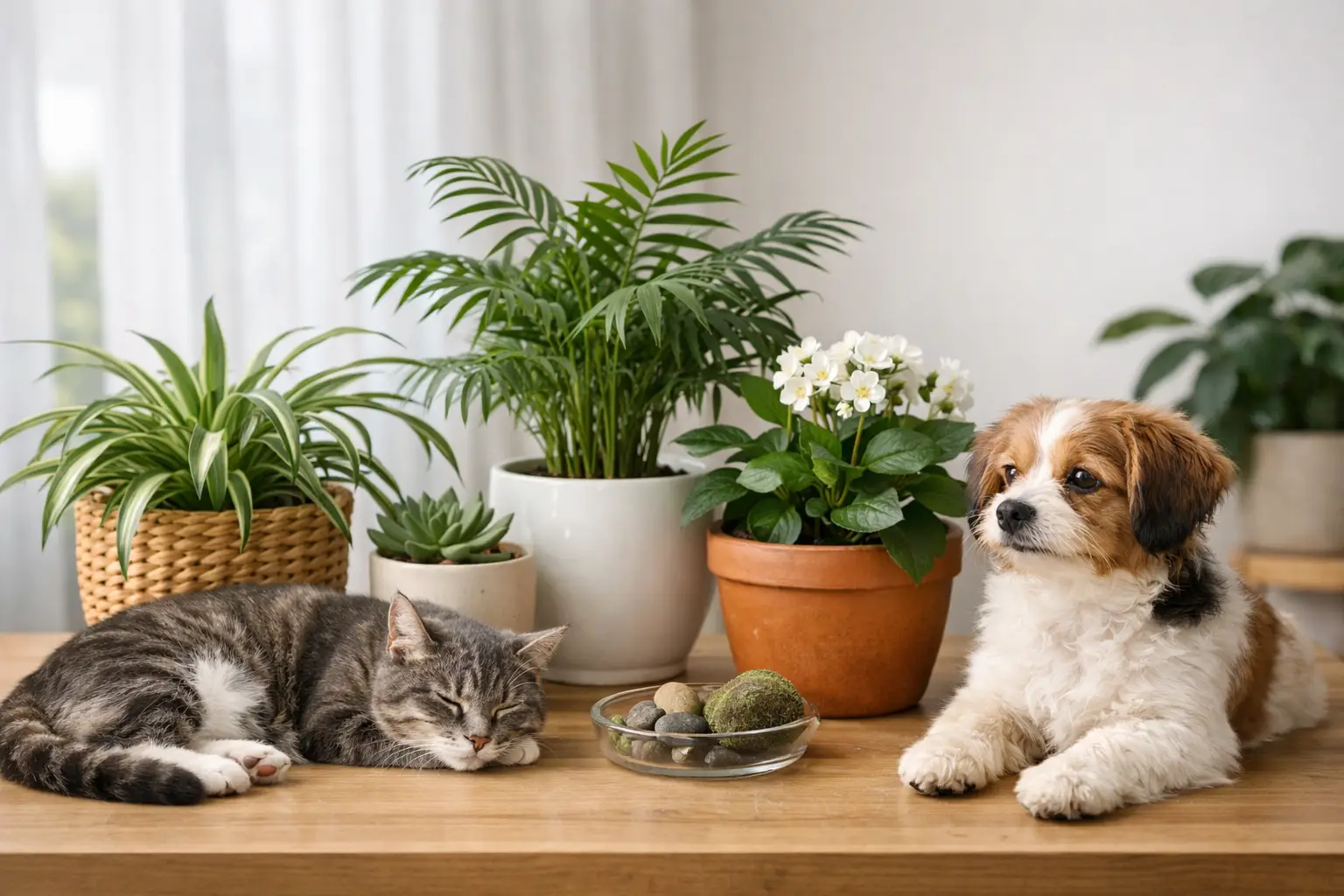
A knocked-over pot, a chewed leaf, and a dog or cat acting suspiciously guilty - that is usually when homeowners start asking what plants are pet safe. If you share your home with curious pets, plant shopping looks a little different. You want beautiful greenery, seasonal color, and that fresh finished look indoors or out, but you also want choices that make everyday life feel easier.
The good news is that pet-friendly planting does not mean settling for a boring mix. There are plenty of attractive options for homes, patios, porches, and yards. The key is knowing that plant safety is not always black and white. Some plants are considered non-toxic, but a pet that eats a lot of any foliage can still end up with an upset stomach. That is why the smartest approach is to choose safer varieties and place them thoughtfully.
What plants are pet safe indoors?
For indoor spaces, the best pet-safe plants tend to be easy to live with and easy to style. Spider plants are one of the most popular choices because they are forgiving, lively, and look great in hanging baskets or on shelves. Areca palms are another strong option if you want a soft, tropical feel in a living room or sunroom. They add height without creating the same concern as many look-alike houseplants.
Calatheas are a favorite for homeowners who want patterned leaves and more visual interest. They bring color and texture without relying on blooms, and they fit well in bedrooms, offices, and entryways. Peperomias are also worth a look if you prefer compact plants for countertops or small corners. They come in several leaf shapes and shades, so you can mix them into your space without making everything look the same.
Parlor palms continue to be a reliable choice for pet-friendly homes because they work with classic, coastal, and modern interiors. If you like a softer cottage look, African violets can add bloom color while staying manageable in size. Orchids are another option that feels a bit more polished, especially if you want a flowering plant for a kitchen island or dining area.
That said, indoor plant selection always depends on light and lifestyle. A pet-safe plant that needs bright indirect light may struggle in a darker room, and a stressed plant is never going to look its best. If your home has low light, compact pet-safe foliage plants often perform better than flowering choices. If your rooms are brighter, you have more flexibility.
Best pet-safe houseplants for everyday spaces
If you want a short list to start with, look at spider plants, parlor palms, areca palms, calatheas, peperomias, prayer plants, orchids, and African violets. These are the kinds of plants that help you decorate confidently without turning every purchase into a research project.
What plants are pet safe outside?
Outdoor planting opens up even more possibilities, especially on Long Island where homeowners often want front entry color, backyard containers, and landscape beds that look full through the season. Pet-safe outdoor choices can include sunflowers, zinnias, snapdragons, petunias, marigolds, and nasturtiums, depending on the look you want and the growing conditions you have.
For herb gardeners, basil, thyme, rosemary, and parsley are commonly chosen in pet-conscious homes. They are practical, fragrant, and useful beyond the garden bed. If you like a porch planter that does double duty, herbs are a smart way to get greenery that feels attractive and functional at the same time.
Shrubs and larger landscape material require a little more attention because many homeowners plant once and expect those choices to stay in place for years. If pets spend a lot of time roaming the yard, especially puppies or young dogs that chew everything, it makes sense to ask about safer options before installing foundation beds or privacy plantings. Not every ornamental shrub is ideal for every pet household, and this is one area where guidance really matters.
Outdoor pet-safe planting depends on behavior too
A calm older dog that ignores the garden gives you more flexibility than a puppy that samples every leaf in sight. The same goes for cats that lounge on the patio versus cats that nibble container plants. Safety is partly about the plant itself and partly about your pet's habits. A safer plant palette is always the better starting point, but placement still matters.
Common plants that deserve a second look
Many plants people love for their shape or color are not the right fit for pet-heavy households. Lilies are the classic example, especially for cat owners, because the risk can be serious. Sago palms, oleander, aloe, pothos, snake plants, philodendrons, and some ivy varieties are also plants people often bring home without realizing there may be a concern.
This is where quick impulse buying can create problems. A plant might be trendy, easy to find, or perfect for a design trend, but that does not automatically make it a good match for a home with dogs or cats. If you are buying for a pet-friendly house, it is worth slowing down and checking each selection instead of assuming all common houseplants are equal.
How to build a pet-friendly plant setup that still looks finished
Choosing what plants are pet safe is only part of the process. The way you arrange them can make a big difference in how successful your setup feels. Hanging baskets are useful when you want trailing greenery without putting leaves at nose level. Plant stands can also help, especially in rooms where pets tend to patrol the floor.
For patios and porches, heavier containers can discourage tipping, and grouping plants by height can create a fuller look while keeping the most tempting foliage less accessible. In family homes, this kind of practical styling matters. You want your space to feel polished, not like you are constantly moving things out of the dog's reach.
If your pet is especially determined, no plant placement is completely foolproof. Some dogs dig. Some cats climb. In that case, it may be better to focus on very durable, pet-safe options and avoid delicate statement plants entirely. The best plant plan is the one that suits real life in your home.
Shopping for pet-safe plants without overcomplicating it
The easiest way to shop well is to start with the room or area you want to finish. Are you filling a bright kitchen corner, styling a shaded patio, or refreshing a front porch planter? Once you know the purpose, you can narrow your options by light, size, and pet safety instead of trying to sort through everything at once.
It also helps to think seasonally. Spring and summer containers may lean toward colorful annuals and herbs, while indoor winter refreshes often focus on foliage and tropicals. Families across Nassau County and Long Island usually want plants that look good right away and fit into busy schedules. That means the right recommendation is not always the rarest plant or the most dramatic one. Often, it is the plant that suits the space, handles the conditions, and keeps the household more comfortable.
When in doubt, ask questions before you buy. A local garden center with a broad selection can help you compare options, especially if you are balancing curb appeal, indoor style, and pet safety at the same time. At Westminster Nursery, that kind of practical guidance is part of helping customers choose plants they can actually enjoy at home.
A few smart reminders for safer plant ownership
Even when you choose pet-safe plants, it is still wise to keep fertilizers, potting soil additives, and pest treatments stored securely. Sometimes the bigger issue is not the plant itself but what has been added to it. Decorative mulch, cocoa hulls, and certain garden products can create avoidable problems if pets get into them.
Watering habits matter too. Pets sometimes drink from saucers or outdoor containers, so keeping plant areas clean and tidy is part of the overall plan. If your dog or cat has a history of chewing greenery, redirecting that behavior with toys, enrichment, or pet grass may help reduce interest in your pots and beds.
And if a pet ever eats a plant and you are unsure about it, act quickly. It is always better to check than to guess.
A home with pets should still be a home with plants if that is the look you love. With the right choices, you can enjoy houseplants, porch pots, and garden color without making every leaf a worry. Start with safer varieties, match them to your space, and build from there - your home can be green, welcoming, and a lot easier to live with.