
What Causes Brown Lawn Patches? Find the Clue
What causes brown lawn patches on Long Island? Learn how to spot drought, disease, pests, pet damage, and soil trouble before your lawn thins out fast.
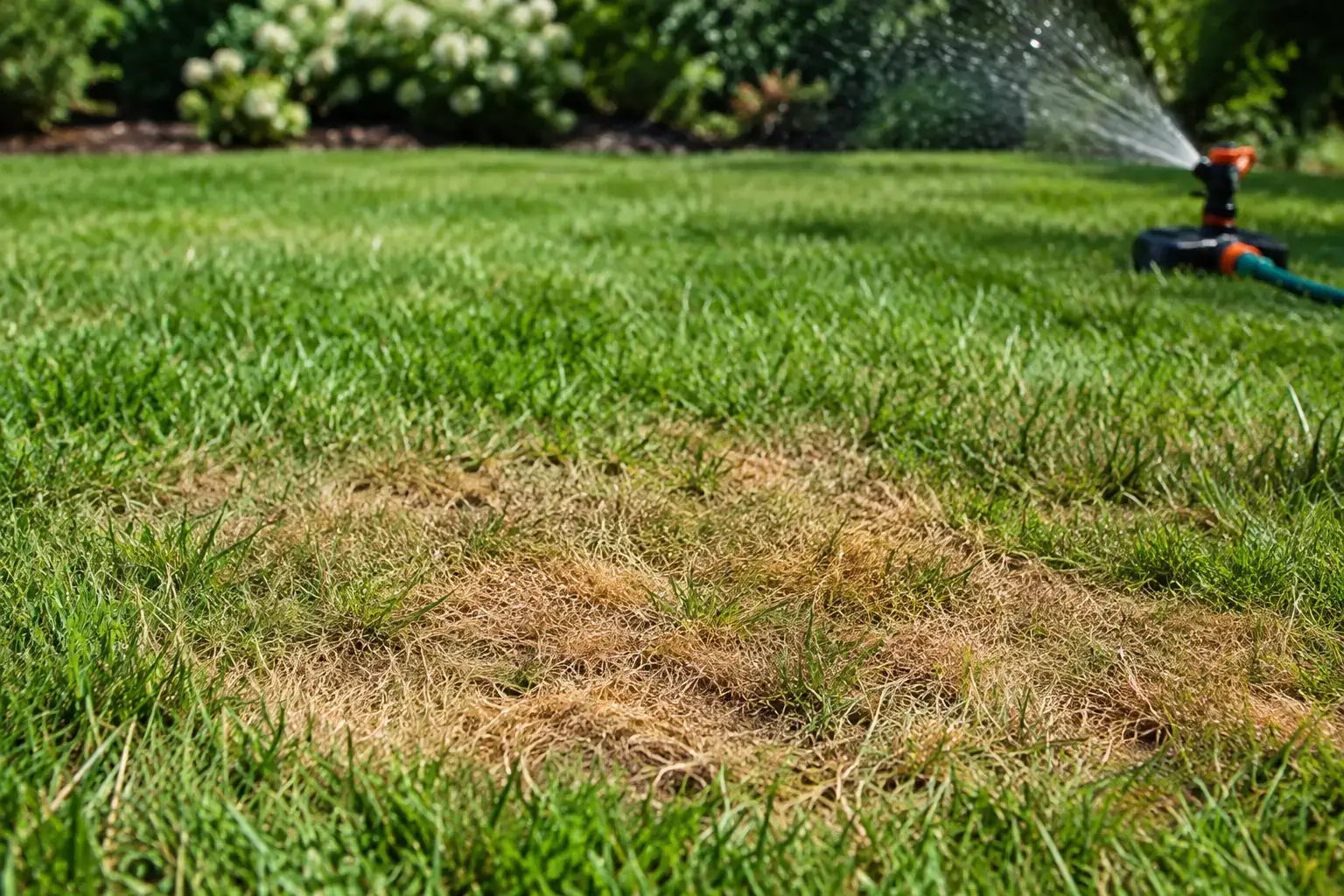
A lawn can look healthy on Friday and develop a few alarming brown spots after one hot, humid Long Island weekend. So, what causes brown lawn patches? Usually, the answer is not simply that the grass needs more water. Brown turf can point to uneven irrigation, compacted soil, insects, fungal disease, pet activity, mowing habits, or a combination of seasonal stresses.
The shape, location, and timing of the patch provide the best clues. Before treating the entire yard, take a close look at the affected grass and the conditions around it. A targeted response saves time, protects the healthy parts of your lawn, and gives new growth a better chance to fill in.
What Causes Brown Lawn Patches? Look for Patterns First
Start by asking where the patches appear. Brown grass along pavement, driveways, curbs, and south-facing walls often reflects heat and drought stress. These areas absorb and radiate heat, while turf roots may be competing with compacted soil or shallow ground cover.
Patches in the center of the lawn are more likely to be related to watering coverage, disease, grubs, or soil conditions. A neat circle can suggest a fungal issue, while irregular patches that pull up easily may signal insect damage beneath the surface. Small, intensely yellow or brown spots that appear repeatedly in the same place often have a different source: pet urine.
Timing matters, too. Cool-season lawns common across Nassau County can slow down during summer heat, especially if they are growing in thin soil or receiving inconsistent moisture. Brown grass that appears after a stretch of wet, humid weather deserves a closer look for disease. Turf that declines in late summer and early fall may be dealing with grubs feeding on the roots.
Watering Problems: Too Little, Too Much, or Too Uneven
A thirsty lawn often turns dull blue-green before it becomes brown. Grass blades may fold inward, and footprints can remain visible after someone walks across the lawn. If the turf is dry several inches below the surface, it needs a deeper, more consistent watering routine.
The goal is not to wet the blades every day. Frequent, shallow watering encourages shallow roots, which makes grass less prepared for heat. Instead, water early in the morning long enough for moisture to reach the root zone. The exact schedule depends on rainfall, soil type, shade, and the lawn’s condition, but the soil should be moist below the surface rather than muddy on top.
Overwatering can create brown patches as well. Constantly wet ground limits oxygen around the roots and creates favorable conditions for fungal diseases. If a lawn stays damp late into the day, check whether sprinklers are running too long, too often, or at the wrong time. Also look for clogged heads, poor spray overlap, or a sprinkler pattern blocked by shrubs, furniture, or parked vehicles.
Heat, Compaction, and Poor Soil Conditions
Long Island lawns often face a difficult mix of summer heat, foot traffic, and compacted ground. Soil compaction is common near play areas, gates, driveways, and frequently used backyard paths. Water may puddle on the surface or run off instead of soaking in, leaving roots thirsty even after a sprinkler cycle.
Try pressing a screwdriver into moist soil near the affected area. If it is difficult to push in, compaction may be part of the problem. Core aeration can help open the soil, improve water movement, and make room for stronger root growth. It is most effective when paired with overseeding at the right time of year, particularly for lawns that have become thin.
Soil quality also matters. A lawn growing in very sandy soil can dry out quickly, while heavy soil may hold too much water. Grass near mature trees may be struggling with shade and root competition, not a lack of fertilizer. More fertilizer is not always the answer. Applied at the wrong time or in excess, it can stress the turf and contribute to scorch or disease.
Lawn Disease Can Turn Green Grass Brown Quickly
Fungal lawn diseases are especially common when warm temperatures, humidity, and extended leaf wetness arrive together. Brown patch, dollar spot, and other turf diseases can create discolored circles, rings, or scattered straw-colored areas. You may notice that the grass looks worse in the morning, when dew is still present.
Disease is more likely when grass is watered at night, mowed too short, or heavily fertilized during hot weather. Improve air movement where possible, water in the morning, and avoid leaving thick clumps of clippings across the lawn. Keep mower blades sharp, too. A dull blade tears grass tips instead of making a clean cut, leaving the lawn with a ragged, brownish cast.
Not every brown patch needs a fungicide. In some cases, changing irrigation and mowing practices is enough to stop the problem from spreading. If patches are expanding quickly or returning every season, a lawn professional can help identify the disease before you invest in the wrong treatment.
Grubs and Other Insects Damage Grass From Below
When brown grass peels back like a loose piece of carpet, inspect the soil underneath. White grubs feed on grass roots, weakening the lawn until it can no longer stay anchored. Skunks, raccoons, and birds digging at the turf can be another clue that insects are present below ground.
Check several areas, not just one. A few grubs in a square foot of soil may not require action, but a heavy population can cause serious damage. Treatment timing matters because insects are easier to control at certain stages of their life cycle. Applying a product without confirming the problem can waste effort and affect the lawn unnecessarily.
Chinch bugs, sod webworms, and other pests can also create irregular brown areas, especially during hot, dry conditions. These issues can resemble drought stress, which is why checking the roots and thatch layer is more reliable than guessing from color alone.
Pet Spots, Salt, and Everyday Lawn Damage
Dog urine can leave a familiar pattern: a brown center with a darker green ring around it. The concentrated salts and nitrogen can burn the turf in one small area, while the surrounding grass receives a light nutrient boost. Promptly watering the spot after a dog uses the lawn can dilute the concentration, although results vary with grass type, soil moisture, and frequency.
Winter deicing salt can cause similar browning near sidewalks, driveways, and street edges. The damage may not be obvious until spring, when nearby grass is slow to green up. Physical damage from parked vehicles, pool equipment, construction traffic, or repeated foot traffic can also compact or tear turf enough to create bare, brown sections.
How to Help Brown Patches Recover
Once you identify the likely cause, remove the stress before trying to repair the turf. Correct watering coverage, adjust mowing height, reduce traffic where possible, and address insects or disease only when the evidence supports it. Grass that still has healthy roots may recover on its own as conditions improve.
Areas that are fully dead or bare may need light raking, soil preparation, and overseeding. For many Long Island lawns, late summer into early fall is an excellent repair window because the soil is warm, the air is cooler, and new grass has time to establish before winter. Keep newly seeded areas evenly moist until seedlings are established, then transition to deeper watering.
If the same brown patches return year after year, treat that as useful information rather than bad luck. The site may need better drainage, soil improvement, irrigation adjustments, or a more suitable grass mix for the amount of sun it receives.
A healthy lawn is built from the roots up, not painted green from the surface down. For hands-on guidance, quality lawn and garden supplies, or help diagnosing persistent turf trouble, the team at Westminster Nursery is ready to help Nassau County homeowners give their outdoor spaces the attention they deserve.