
Tree Planting Services for Long Island Homes
Tree planting services bring lasting shade, privacy, and curb appeal to Nassau County properties, with the right tree, placement, and professional care.
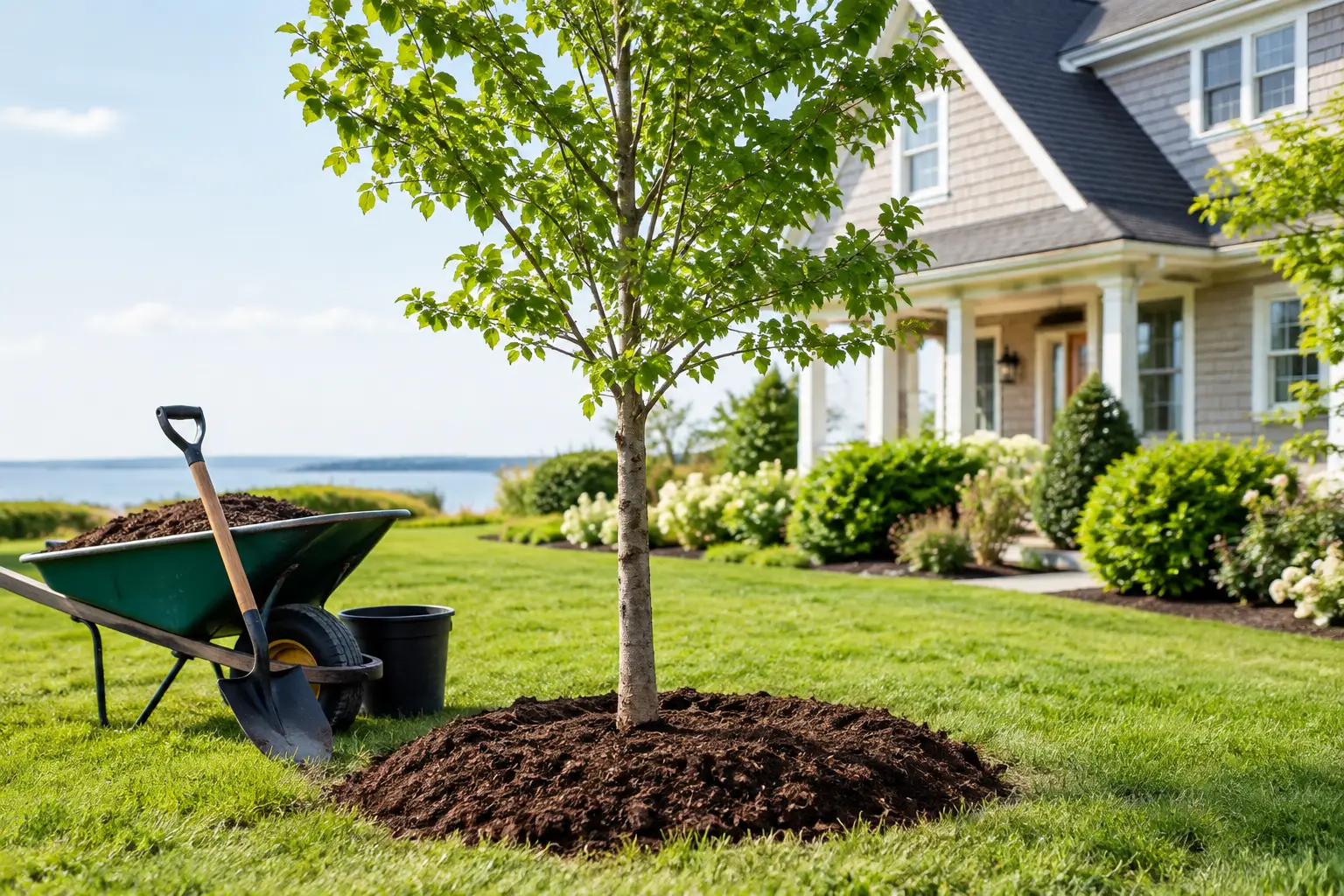
A newly planted tree can change the entire feel of a property long before it reaches mature size. It can frame a front entry, soften a fence line, create a more private backyard, or bring welcome shade to a sunny lawn. The difference between a tree that settles in beautifully and one that struggles often comes down to the details. Professional tree planting services bring the plant selection, site preparation, and installation experience needed to give your investment a strong start.
For homeowners across West Hempstead, Nassau County, and Long Island, planting a tree is not simply a matter of digging a hole. Soil conditions, drainage, sun exposure, overhead wires, mature spread, and the purpose of the planting all affect the right choice. A tree that looks perfect at the nursery needs to be equally right for the space it will call home.
What Tree Planting Services Should Include
The best tree planting projects begin with a conversation about how you use your property. Are you looking to screen a neighboring yard? Add seasonal color near the patio? Establish a strong focal point in the front landscape? Replace a tree that was removed? Each goal points toward different plant material, spacing, and placement.
A professional installation team evaluates the site before making recommendations. That means looking at how much direct sun the area receives, whether water tends to collect after a heavy rain, where utilities and structures are located, and how large the tree will become over time. Long Island yards can vary greatly from one block to the next, so a choice that works in one landscape may not be the best fit a few streets away.
Installation should also account for the root ball, planting depth, soil backfill, watering needs, and mulch placement. Planting too deeply is a common problem and can limit a tree's health. A properly planted tree has its root flare positioned correctly, room for roots to expand, and mulch kept away from the trunk. These details are easy to overlook, but they matter for years.
Choose Trees for the Job They Need to Do
A great landscape feels intentional because every plant has a purpose. Before choosing a species, decide what you want the tree to accomplish. A shade tree, ornamental flowering tree, evergreen screen, and small accent tree each solve a different landscape need.
For shade and long-term structure
Large canopy trees make a property feel established and can provide relief in open, sunny areas. They need ample space away from foundations, driveways, power lines, and other trees. This is a long-view decision: consider the mature width, not just the size of the tree on planting day.
For privacy and screening
Evergreen material is often the first choice for homeowners who want year-round coverage. Arborvitaes, Green Giants, Leyland cypress, and skip laurels are popular options for privacy plantings, but the best choice depends on the available width, sun conditions, desired height, and soil drainage. Spacing is especially important. Planting too tightly can create a dense look quickly, yet it may also restrict airflow and leave plants competing for water and nutrients as they grow.
For color near patios, walks, and entryways
Ornamental trees bring flowers, foliage color, texture, or attractive branching into spaces where a massive canopy would feel out of scale. These trees can make a front yard more welcoming or give a backyard garden a finished appearance. Because they are viewed up close, placement should consider sightlines from windows, walkways, and outdoor seating areas.
For challenging small spaces
A compact yard does not rule out trees. It simply calls for more careful selection. Narrow-growing forms, smaller ornamental varieties, and thoughtfully placed evergreens can provide visual impact without crowding the house or overwhelming the lawn. The goal is to give a tree enough room to mature naturally rather than repeatedly cutting it back to fit.
Placement Matters as Much as Plant Selection
It is tempting to place a tree where the yard looks empty today. A better approach is to picture the landscape five, 10, and 20 years from now. Mature height and canopy spread should guide the plan from the beginning.
Keep future roots, branches, and access in mind. Trees planted too close to a driveway may eventually interfere with vehicles or paving. Trees near a house can block light, brush against siding, or complicate roof maintenance. A tree positioned well away from a fence may look less dramatic at first, but it has room to develop without creating conflicts later.
The same principle applies to privacy screening. If a hedge will border a pool, patio, or play area, leave enough room for people to move around it and for the plants to be maintained over time. A well-designed screen provides privacy without turning the yard into a cramped corridor.
The First Season Sets the Tone
New trees need attention after installation, especially during their first growing season. Watering is usually the most important responsibility. Even if the surrounding lawn looks green after rain, the root ball may not have received enough moisture. Deep, consistent watering helps roots establish beyond the original planting area.
The exact schedule depends on weather, soil, tree size, and exposure. Hot, dry, or windy stretches may require more frequent checks, while heavy rainfall and poorly drained soil call for restraint. Too much water can be just as harmful as too little. The soil should be moist around the root zone, not constantly saturated.
Mulch helps conserve moisture, moderate soil temperature, and reduce competition from weeds. Apply it in a broad layer around the tree, but do not pile it against the trunk. The familiar volcano shape may look tidy, but it can trap moisture against bark and invite problems. Keep the trunk area open so air can circulate.
New trees may also need protection from lawn equipment, deer pressure, or strong winds, depending on the site. Staking is not always necessary, and leaving a tree tied too tightly can limit natural trunk development. This is another area where an experienced installer can make a site-specific recommendation rather than treating every tree the same way.
When a Landscape Plan Makes the Difference
A single tree can be a meaningful improvement. A coordinated planting plan can make the entire property work better. Trees, shrubs, perennials, lawn areas, walkways, and outdoor living spaces should relate to one another instead of competing for space.
For example, an evergreen privacy planting may need lower shrubs in front to create depth. A shade tree may call for plants that tolerate less direct sun as the canopy develops. A flowering tree at the entry can be paired with seasonal color to carry interest from spring through fall. Planning these layers in advance avoids the patchwork look that can happen when plants are added one at a time without a bigger picture.
Westminster Nursery brings more than 30 years of local landscaping experience to tree and shrub installations, with a broad selection of plant material and a professional landscape division ready to help shape the full project. Whether the need is one statement tree, a new privacy border, or a complete landscape refresh, choosing plants and installation support in one place keeps the process focused and practical.
A Better Time to Plant Starts With the Right Plan
Spring and fall are often popular planting seasons because temperatures are generally milder and rainfall can support root establishment. Still, the best timing depends on the species, local conditions, and the level of care available after planting. A tree planted during a warm stretch can still succeed with attentive watering, while a fall planting may need protection from an early cold snap.
Rather than choosing a tree based only on what looks good in the moment, start with the role you want it to play in your landscape. Bring in property photos, rough measurements, and ideas about privacy, shade, or curb appeal. A thoughtful choice today gives your home a living feature that grows more valuable with every season.