
12 Low Maintenance Perennial Flowers to Plant
Find low maintenance perennial flowers that add reliable color to Long Island gardens with less watering, pruning, and seasonal upkeep.
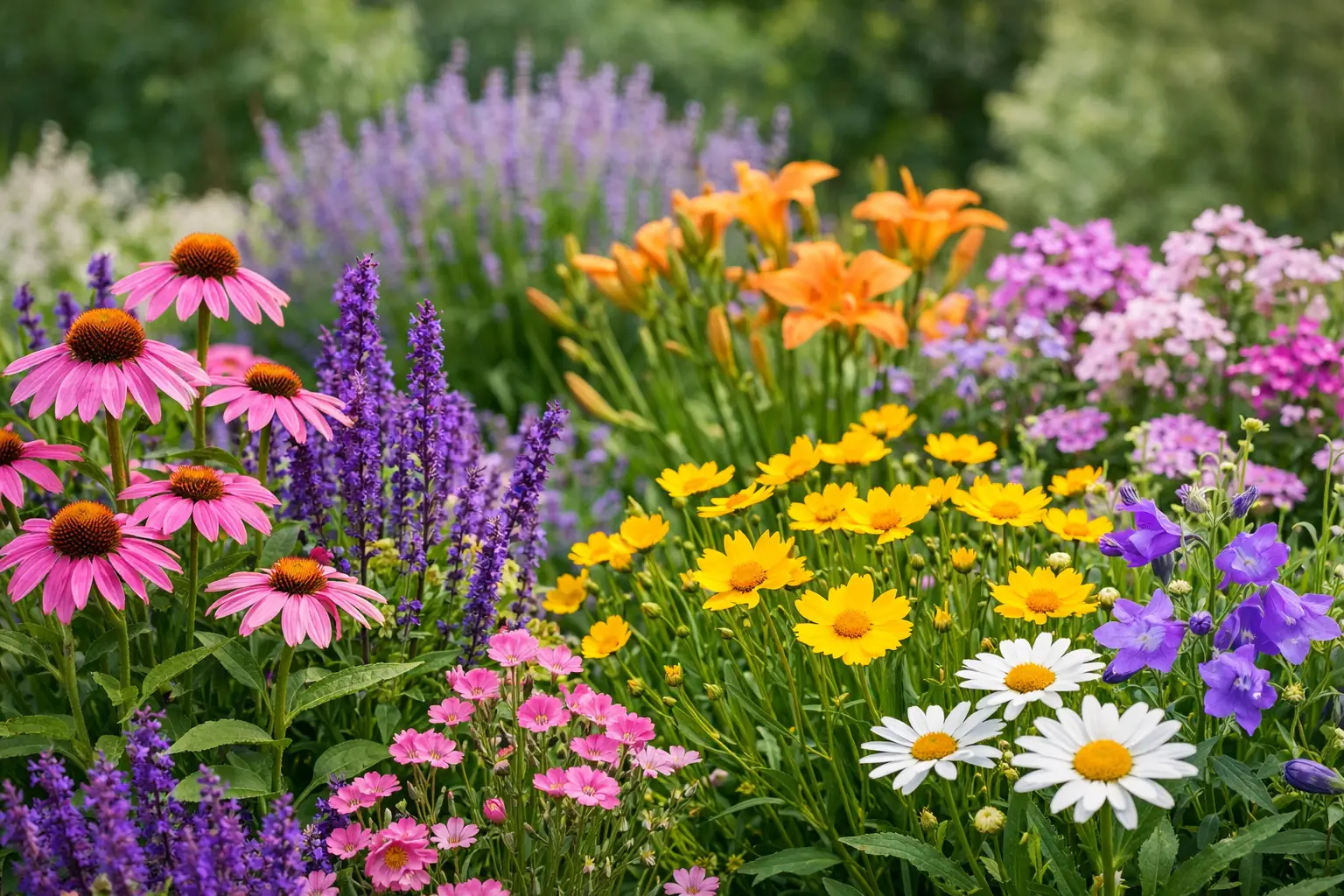
Some plants look great for two weeks, then start asking for constant deadheading, extra water, and attention you did not plan to give. Low maintenance perennial flowers are different. Once they are planted in the right spot, they come back year after year with dependable color and far less work, which is exactly why they are such a smart choice for Long Island homeowners who want attractive beds without turning every weekend into a garden project.
For Nassau County yards, the real goal is not just finding perennials that survive. It is choosing varieties that can handle our seasonal swings, perform well through summer, and still keep the landscape looking polished from spring into fall. The best picks give you strong color, good repeat performance, and a clean habit that fits foundation beds, mailbox plantings, walkways, pool areas, and mixed borders.
Why low maintenance perennial flowers make sense
There is a reason these plants are always in demand at a busy garden center. They bring back color each year without needing to be replanted like annuals, and many of the best varieties settle in quickly after their first season. That means less shopping to replace empty spaces, less ongoing fuss, and a more established look across the property.
That said, low maintenance does not mean no maintenance. Even the easiest perennial still needs the basics - the right sun exposure, decent soil drainage, and watering while it gets established. If a full-sun plant is tucked into too much shade or a drought-tolerant variety is planted where water sits after every rain, the result is usually disappointing. The easier route is matching the plant to the location from the start.
12 low maintenance perennial flowers worth planting
Coneflower
Coneflower is one of the most dependable choices for sunny Long Island beds. It handles heat well, offers a long bloom period, and brings strong color in pink, purple, white, and newer shades. The upright form works especially well in mixed borders where you want structure without a lot of trimming.
It is a good fit for homeowners who like a natural, full garden look but do not want a plant that flops all over the place. Give it sun and average drainage, and it generally settles in with very little complaint.
Black-eyed Susan
If you want bright summer color that reads from the street, black-eyed Susan is hard to ignore. The golden yellow flowers are cheerful, reliable, and easy to pair with shrubs, grasses, and other perennials. It has a long bloom season and usually looks right at home in both casual and more traditional landscapes.
The trade-off is that it can spread a bit in happy conditions, which is great if you want beds to fill in faster and less ideal if you prefer a tightly controlled planting plan.
Daylily
Daylilies have been a go-to landscape perennial for years for a simple reason - they perform. They tolerate heat, handle a range of soil conditions, and create dense clumps of foliage that help beds look finished even when blooms are between cycles.
Some reblooming varieties offer color beyond the first flush, while others give you a big early show and then settle into clean green foliage. If you are after maximum flower power all season, choose carefully. If you want toughness and reliability, daylilies are always in the conversation.
Salvia
Salvia earns its spot because it gives you color early, handles sunny locations beautifully, and has a neat, manageable habit. The flower spikes add height and contrast to rounded plants, making it useful in front-yard beds where shape matters as much as bloom.
A light trim after the first bloom can encourage another round, but even without much attention it stays attractive. For homeowners who want a polished look with minimal upkeep, salvia is one of the better choices.
Coreopsis
Coreopsis brings bright yellow or golden tones that can lighten up a planting bed fast. It is often selected for sunny areas where customers want extended bloom time without a high-maintenance routine. The fine-textured foliage also helps soften heavier shrubs and broader-leaf plants.
Not every variety behaves exactly the same, so this is one category where plant selection matters. Some stay compact and tidy, while others have a looser, more airy habit.
Catmint
Catmint is one of those plants that does a lot of work in the landscape without asking for much in return. It offers soft blue to violet color, silvery-green foliage, and a relaxed shape that blends easily with roses, ornamental grasses, and foundation plantings.
It is especially useful when you want something that looks full and established quickly. In a hot, sunny bed, catmint often keeps its cool better than fussier flowering plants.
Shasta Daisy
Shasta daisy gives you the classic white daisy look that never feels out of place. It brightens mixed borders, works well in cottage-style gardens, and pairs nicely with purple, yellow, and blue flowering perennials.
The only real caution is drainage. In a bed that stays too wet, it may not be as happy long term. In a sunnier, well-drained setting, it is a dependable performer that delivers a clean summer look.
Sedum
Sedum is a strong choice for homeowners who want late-season color and very little fuss. The fleshy foliage looks good well before flowering starts, and the blooms carry the garden into late summer and fall when some earlier perennials have already faded.
It is also one of the better options for dry spots and tougher locations. If your planting area gets baked by afternoon sun, sedum is often a smarter pick than thirstier perennials.
Yarrow
Yarrow has a long bloom period, handles heat well, and brings a flatter flower shape that adds variety to perennial borders. It works especially well in naturalistic plantings and in spots where you want color without encouraging a lot of extra maintenance.
Some gardeners love its feathery foliage, while others prefer a cleaner, more formal look. It depends on the style of the bed. In the right setting, it is a very practical plant.
Russian Sage
Russian sage is a standout for hot, sunny sites where many other perennials struggle. It creates a cloud of blue-purple color and airy texture that can soften hardscape edges, fences, and long foundation lines.
It does need space. This is not the plant to squeeze into a tiny front border and hope for the best. But if you have room for it to develop naturally, it rewards you with a strong season of color and minimal upkeep.
Peony
Peonies are not the longest bloomers on this list, but they are still among the most requested perennials for established home landscapes. The flowers are lush, memorable, and highly anticipated each spring, while the plant itself can remain in place for years.
The trade-off is timing. You get a beautiful bloom window, then rely on the foliage for the rest of the season. For many homeowners, that is still well worth it.
Hellebore
For part-shade areas, hellebore is a valuable option. It blooms early, offers handsome foliage, and gives shaded beds more presence when many other perennials are barely waking up. That makes it particularly useful near entryways and foundation plantings where early-season interest matters.
It is not the loudest plant in the garden, but it is one of the steadiest. If you want quiet reliability in a shaded location, hellebore deserves a closer look.
How to choose the right low maintenance perennial flowers
Start with sunlight. Most of the easiest flowering perennials want full sun, which usually means at least six hours of direct light. If the bed gets only morning sun or filtered light near trees, your plant list changes fast.
Next, think about how you want the space to function. A front walkway planting usually looks better with compact, tidy growers. A backyard border can handle bigger drifts and softer shapes. This is where a plant that is technically easy may still be the wrong choice if its mature size overwhelms the area.
Bloom timing matters too. If every plant in the bed peaks in June, the yard can feel flat later in the summer. Mixing early, midseason, and late bloomers gives you a longer run of color without making the design more complicated.
Getting better results with less work
The easiest way to keep perennial care low is to invest a little attention up front. Prepare the bed properly, improve drainage if needed, and give plants room to mature. Crowding may look full on planting day, but it often leads to more dividing, more disease pressure, and more cleanup later.
Mulch also does a lot of the heavy lifting. It helps hold soil moisture, reduces weed growth, and gives beds a cleaner finished appearance. Add a smart watering routine during establishment, and many perennials become much easier to manage after the first season.
If you are building a new bed or refreshing older plantings, it helps to shop with local conditions in mind. Homeowners across West Hempstead and the broader Long Island area usually get the best results when they choose proven varieties suited to our climate, exposure, and seasonal demands. A local garden center such as Westminster Nursery can help narrow the options based on whether you need sun-loving bloomers, shade-tolerant performers, or a full planting mix that keeps the property looking strong with less effort.
A garden does not need to be complicated to look established and full of color. The right perennial mix can carry a bed through multiple seasons, cut down on replanting, and make the whole yard easier to keep looking sharp. When you choose plants that match the site instead of fighting it, less work usually leads to a better-looking result.