
Landscape Architect vs Contractor - Who to Hire?
Compare a landscape architect vs contractor for your Long Island project. Learn who plans, who builds, and when a coordinated team makes sense locally.
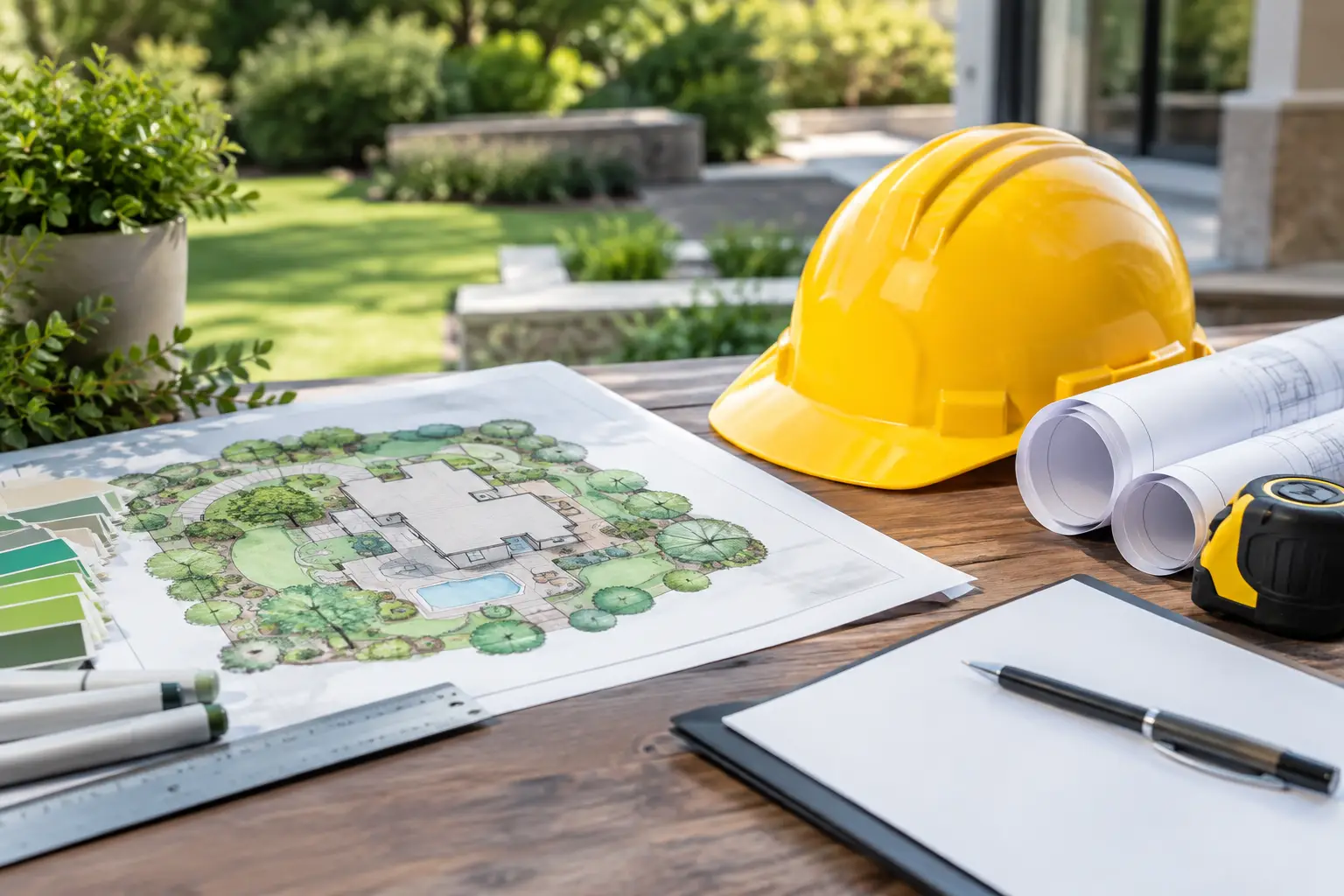
A new patio can change how your family uses the backyard. A privacy planting can make a busy property feel like your own. But before the first paver is set or the first Green Giant goes into the ground, many homeowners face the same question: landscape architect vs contractor - who should lead the project?
The answer depends on the scope, the site, and what you want the finished space to accomplish. Some projects need a detailed plan before construction begins. Others are ready for an experienced installation crew. Knowing the difference helps you spend your budget where it delivers the greatest value and avoid a beautiful-looking project that does not work well over time.
Landscape Architect vs Contractor: The Core Difference
A landscape architect is a licensed design professional who plans outdoor environments. Their work can include site layout, grading concepts, drainage, planting plans, circulation, patios, retaining walls, lighting, outdoor amenities, and the way all of those pieces relate to the home and property. On complex sites, they may prepare formal drawings and coordinate with other professionals when permits or engineering are involved.
A landscape contractor is focused on making the plan real. Contractors manage installation, materials, equipment, crews, scheduling, and the construction details required to build a landscape. Depending on the company and project, that may include planting, sod, irrigation, masonry, fencing coordination, drainage work, lighting, seasonal color, and ongoing maintenance.
There is overlap. Many landscape contractors offer design services, especially for residential planting, walkways, patios, and outdoor living improvements. A landscape architect may also stay involved during construction to help ensure the work follows the design intent. The key distinction is that one role begins with professional site planning, while the other centers on execution in the field.
When a Landscape Architect Makes Sense
A landscape architect is often the right starting point when a project has meaningful complexity or when decisions made now will affect the property for decades. This is less about making a yard look formal and more about solving the hard problems before crews and materials arrive.
Consider bringing in a landscape architect when you are building on a sloped lot, addressing recurring drainage issues, changing grades near the foundation, adding substantial retaining walls, or planning a major renovation that combines several features. They can help establish where water should move, how people should travel through the property, which areas should remain open, and how plantings can soften the finished structure.
They are also valuable when you want a long-range master plan. Perhaps this year calls for a new front walk and foundation planting, while a pool area, kitchen garden, or entertaining space may come later. A complete plan can organize those phases so that future work does not require tearing out what was just installed.
For Long Island properties, drainage and privacy are frequent reasons to plan carefully. Clay soil, compact lots, shade from mature trees, coastal exposure, and neighboring homes can all change which materials and plants will perform well. A thoughtful design accounts for mature plant size, sunlight, access for maintenance, and the amount of room a hedge or specimen tree actually needs.
When a Landscape Contractor Is the Better Fit
If you have a clear goal and the work is straightforward, a landscape contractor may be all you need. This is common for homeowners who know they want a refreshed planting bed, a row of arborvitaes for screening, a patio replacement within the existing footprint, sod installation, or a seasonal color update near the entry.
A skilled contractor can walk the property, recommend practical options, source healthy materials, and build an installation plan around the site. That field experience matters. Contractors understand access limitations, material handling, soil preparation, planting depth, base construction, and the small adjustments that turn a concept into a durable finished space.
The best contractor conversations are specific. Share how you use the space, how much sun it receives, whether deer are a concern, and how much upkeep you expect to handle. If privacy is the priority, say whether you need a quick screen, evergreen coverage through winter, or a layered planting that feels more natural. A contractor can then recommend appropriate choices, from Green Giants and skip laurels to mixed shrubs and perennials.
Design-Build Can Bring Both Sides Together
For many residential projects, the most practical answer is not choosing one role over the other. It is working with a design-build landscape company that can plan, source, install, and maintain the project under one coordinated team.
This approach works particularly well when you want professional guidance without managing separate design and construction relationships. The people developing the plan understand available materials, installation realities, and the maintenance needs of the finished landscape. That can keep decisions moving and reduce surprises between a drawing and a job site.
Still, design-build is not a one-size-fits-all answer. If your project requires highly technical site planning, extensive approvals, or specialized documentation, an independent landscape architect may be the best first call. If your goals are clear and the scope is focused, a contractor-led design consultation can be more efficient.
At Westminster Nursery, homeowners can pair local plant knowledge with landscape design, installation, and maintenance support. That is useful when a project needs more than a shopping list - it needs the right trees, shrubs, seasonal color, and construction decisions working together.
Questions to Ask Before You Commit
The right professional should be able to explain not only what they recommend, but why it fits your property. Ask to see examples of projects similar in scale and style to yours. Discuss the proposed materials, plant varieties, site preparation, drainage approach, timeline, and what maintenance will look like after installation.
It is also wise to clarify who is responsible for each part of the job. Will the same team handle demolition, grading, masonry, planting, lighting, and cleanup? Are there elements that require separate specialists or local approvals? For projects involving significant construction, confirm the contractor's applicable licensing and insurance requirements for your municipality before work begins.
A detailed scope protects the project. It should spell out quantities, materials, plant sizes, finish selections, allowances where relevant, and any conditions that could affect the work. In landscape construction, underground surprises, poor drainage, hidden roots, and limited access can change the plan. Clear communication does not eliminate those conditions, but it makes them easier to address thoughtfully.
Choose Based on the Problem You Need Solved
Do not choose a landscape architect simply because the project is expensive, or a contractor simply because the project is outdoors. Start with the problem. If you need a cohesive vision, technical site analysis, phased planning, or solutions for a difficult property, lead with design. If you need a well-defined improvement installed correctly with sound material and plant recommendations, lead with a contractor.
For a project that includes both, ask how the design and installation teams will communicate from the first site visit through the final planting. The best results come from decisions that respect both the big picture and the realities beneath the soil.
Before you select a professional, take a few photos of the area, note the sun patterns, and write down how you want the space to feel in every season. Those simple details give the conversation a strong starting point and help turn an outdoor wish list into a landscape your family can enjoy for years.