
How to Winterize Lawn for Long Island Weather
Learn how to winterize lawn in Nassau County with timely mowing, cleanup, aeration, seed, fertilizer, and watering steps for stronger spring grass ahead.
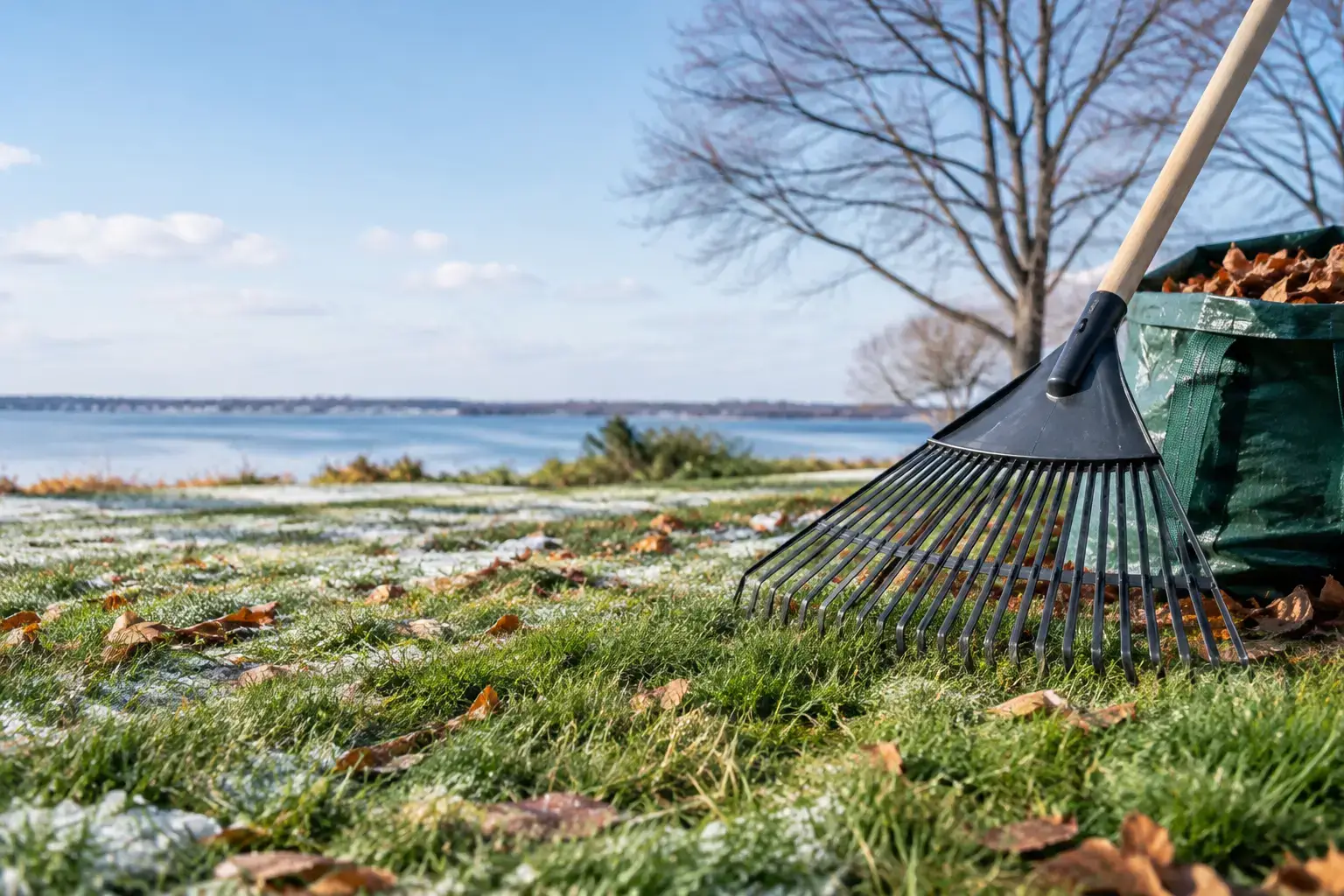
A Long Island lawn can look tired by late fall: leaves collect in corners, summer foot traffic leaves compacted paths, and cooler nights slow growth almost overnight. Knowing how to winterize lawn properly gives cool-season grass the support it needs to come through winter with stronger roots, better color, and fewer thin spots in spring.
When to Winterize a Lawn on Long Island
For most Nassau County lawns, the key window runs from late August through November. The exact timing depends on the weather, your grass type, and the condition of the lawn. Kentucky bluegrass, perennial ryegrass, and tall fescue are common in our area, and all respond well to fall care because the soil stays warm longer than the air.
Start major work while grass is still actively growing. Aeration, overseeding, and early fall feeding belong in the earlier part of the season. Your final mowing, leaf cleanup, and late-fall fertilizer application happen later, when growth has slowed but the ground has not frozen.
Do not wait for the first snow forecast to begin. A rushed weekend of cleanup rarely produces the same results as a few well-timed tasks completed over several weeks.
Mow at the Right Height Before Winter
Continue mowing as long as the lawn is growing. For the last cut or two, lower your normal mowing height slightly, aiming for about 2 1/2 to 3 inches for most cool-season turf. This is short enough to reduce matting under snow and fallen leaves, but not so short that the grass loses the leaf surface it needs to store energy.
Avoid scalping. Cutting grass extremely short can expose the crown of the plant, weaken roots, and invite winter injury. It also gives weeds more opportunity to establish when spring arrives. A sharp mower blade matters in fall just as much as it does in May. Clean cuts heal better and leave the lawn looking tidier going into the dormant season.
If your lawn is growing quickly after early fall rain, mow regularly rather than removing a large amount of grass all at once. As a general rule, never remove more than one-third of the blade height in a single mowing.
Relieve Compaction With Aeration
Aeration is one of the most useful steps for lawns that see regular activity from children, pets, entertaining, or frequent mowing equipment. Compacted soil keeps water, oxygen, and nutrients near the surface instead of letting them reach the root zone. You may notice compacted areas where grass thins along walkways, driveways, patio edges, and favorite backyard routes.
Core aeration removes small plugs of soil, creating space for air and moisture to move below the surface. On Long Island, early fall is generally the best time because turf can recover before winter. Leave the soil plugs on the lawn. They break down naturally and return valuable organic material to the soil.
Aeration is not necessary every year for every property. A lawn with loose soil, healthy growth, and minimal traffic may need it less often. If water puddles after rain or the ground feels hard and dry beneath the grass, aeration is worth considering.
Overseed Thin Areas While Conditions Are Favorable
After aeration, overseeding is especially effective. Seed makes good contact with exposed soil and can settle into the aeration holes. Choose a quality grass seed suited to sun exposure and the way your lawn is used. Sunny, high-traffic areas often benefit from a durable blend, while a lawn with heavy shade may need a seed mix selected specifically for lower light.
Do not expect seed spread in late November to establish before winter. The best results come from seeding early enough for young grass to develop roots before hard freezes. Keep newly seeded areas consistently moist until seedlings are established, then transition to deeper, less frequent watering.
Feed Roots, Not Fast Top Growth
A thoughtful fall fertilizer program helps grass store energy in its root system for winter and spring green-up. The best product and application rate depend on your soil, the health of the turf, and what has already been applied during the year. A soil test is the most reliable way to avoid guessing, especially if your lawn repeatedly struggles with color, weeds, or patchy growth.
For established cool-season lawns, a late-fall application is often beneficial after top growth slows down. At this stage, the grass is not trying to produce a flush of long blades, but its roots can still use nutrients while the soil remains workable. Follow the product label closely and use a spreader for even coverage. More fertilizer is not better. Overapplication can stress turf and contribute to nutrient runoff.
If you are unsure whether your lawn needs a fall feeding, look at the season as a whole. A lawn that was heavily fertilized late in summer may need a lighter approach than one that received minimal nutrition. Local soil conditions, shade, irrigation, and recent renovation work all change the answer.
Keep Watering Until the Ground Freezes
Cooler temperatures can make it easy to forget about watering, but grass roots still need moisture in fall. Continue watering during dry stretches until the ground begins to freeze. Established lawns generally benefit from a deep soaking when rainfall has been limited, while newly seeded areas need more frequent, lighter watering until they mature.
Watch the forecast and adjust rather than following a rigid schedule. A wet October may require little supplemental water. A dry, windy fall can leave turf dehydrated even when daytime temperatures feel comfortable. Saturated soil is not the goal. Consistent moisture at the root zone is.
If you have an in-ground irrigation system, arrange for it to be winterized before prolonged freezing weather arrives. Protecting the system helps prevent damaged pipes and fittings, while your lawn enters winter with the moisture it needs.
Do Not Let Leaves Smother the Grass
A light layer of dry leaves can often be mulched with the mower, returning small pieces of organic matter to the lawn. Thick or wet layers are different. They block sunlight, trap moisture, and create a damp environment where grass can thin or develop disease problems.
Keep up with leaf removal throughout the fall, particularly beneath trees and along fences where piles accumulate. Rake leaves into garden beds where appropriate, compost them, or bag them for disposal. If you mulch, do it often enough that the leaf pieces disappear into the grass rather than forming a blanket on top.
This is also the time to remove fallen branches, toys, patio furniture, and other objects that may sit on the turf all winter. Anything that blocks light and airflow for months can leave a dead patch behind.
Tackle Weeds Before They Settle In
Fall is a valuable time to address broadleaf weeds because many are moving resources down into their roots. Spot treatment can be more effective than blanket applications when weeds are scattered. Identify the problem first, since different weeds and lawn conditions call for different approaches.
A thicker lawn is still your best long-term weed defense. Proper mowing, aeration when needed, good seed coverage, and sensible feeding reduce the open spaces where weeds gain a foothold. Avoid applying products to stressed, drought-damaged, or newly seeded turf unless the label specifically allows it.
Protect Lawn Edges From Winter Stress
The grass along driveways, sidewalks, and streets takes the most abuse during winter. Snow piles, foot traffic, plow damage, and de-icing salt can all leave edges thin or brown. Before winter, clean up the edge line and make sure drainage is moving away from the lawn rather than pooling at the curb.
When icy weather arrives, use de-icing materials carefully near turf and plant beds. Keep shoveling piles off vulnerable lawn areas when possible, and avoid pushing salt-heavy slush onto the grass. These small decisions can prevent the frustrating strip of winter damage that appears along pavement every spring.
A lawn does not need complicated treatment to get through a Long Island winter well. It needs timely attention, healthy soil, and a clean surface before dormancy sets in. For seasonal lawn supplies, grass seed, soil amendments, and knowledgeable local guidance, Westminster Nursery can help you prepare your property for a greener return in spring.