
How to Prune Flowering Shrubs Without Losing Blooms
Learn how to prune flowering shrubs at the right time, make clean cuts, and keep hydrangeas, lilacs, and other Long Island favorites blooming beautifully.
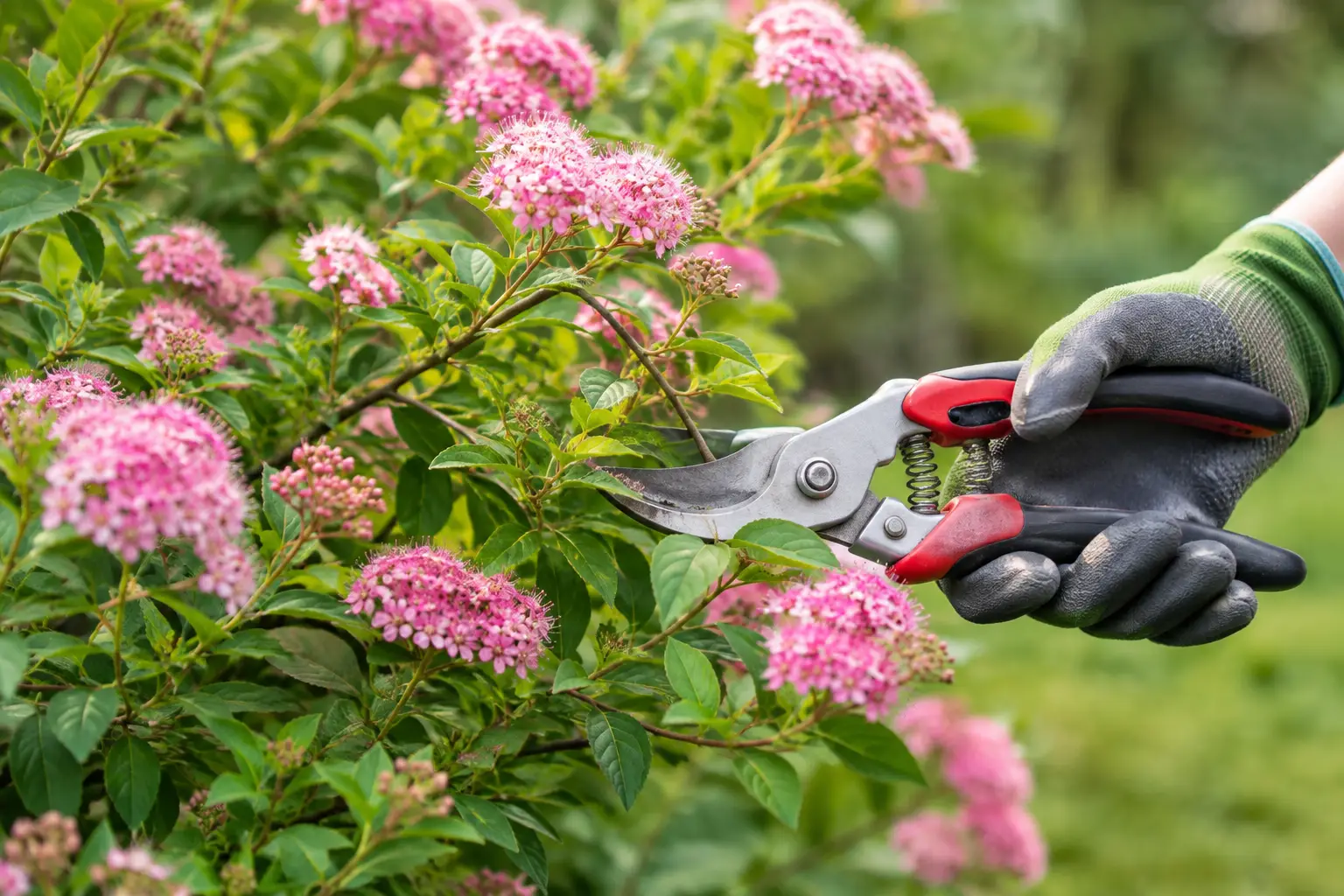
A lilac that never flowers, a hydrangea cut down to bare stems, or a forsythia shaped into a tight green ball usually has one cause: pruning happened at the wrong time or in the wrong place. Learning how to prune flowering shrubs is less about making every plant look perfectly round and more about knowing when that shrub sets its buds.
For Long Island gardens, timing matters especially after a tough winter, a late frost, or a dry summer. A few thoughtful cuts can improve bloom, airflow, size, and overall shape. Too many cuts can remove next season’s show. Start by identifying your shrub, then prune with its natural growth habit in mind.
The First Rule: Find Out When It Blooms
Flowering shrubs fall into two basic groups: those that bloom on old wood and those that bloom on new wood. Old wood means stems that grew the previous year. New wood means fresh growth produced in the current season.
Shrubs that bloom on old wood should generally be pruned right after their flowers fade. They have already begun preparing buds for next year by summer or early fall. If you wait until late winter or early spring, you may cut away the very stems that would have carried blooms.
Common old-wood bloomers include lilac, forsythia, weigela, azalea, rhododendron, bridal wreath spirea, oakleaf hydrangea, and most bigleaf hydrangeas. For these plants, the best pruning window is usually just after flowering.
New-wood bloomers can be pruned in late winter or early spring, before vigorous growth starts. These shrubs form flowers on the season’s new stems, so a timely early-season cut often encourages strong, bloom-producing growth. Panicle hydrangeas, smooth hydrangeas, butterfly bush, potentilla, and many summer-blooming spireas fit this group.
There are exceptions. Hydrangeas in particular can be confusing because different types have very different pruning needs. If you are unsure which variety is in your yard, bring a photo to Westminster Nursery before making major cuts. One quick identification can prevent a bloomless season.
How to Prune Flowering Shrubs Step by Step
Begin with sharp, clean hand pruners. Loppers are useful for thicker branches, while a pruning saw is the right choice for mature stems that are too large for loppers. Dull blades crush stems rather than making clean cuts, leaving plants slower to recover.
First, remove dead, damaged, or crossing branches. Dead wood is often brittle, discolored, and lacks healthy buds. Crossing branches rub against one another and create wounds where pests and disease can gain a foothold. Make each cut back to a healthy side branch, outward-facing bud, or the base of the stem.
Next, look for the oldest stems. Rather than shearing the outside of a shrub, remove a few of its oldest, thickest stems at ground level. This is called renewal pruning. It opens the center of the plant, lets in more light, and encourages vigorous new shoots from the base.
Then step back. A shrub should still look like itself when you are finished. Forsythia should arch gracefully. Lilacs should be upright and open. Hydrangeas should retain a balanced framework. If every branch ends at the same height, the plant can look stiff and may produce a dense layer of foliage with fewer flowers inside.
As a general guideline, avoid taking more than about one-third of a healthy shrub in a single year. An overgrown plant may need renewal over two or three seasons instead of one dramatic haircut. That approach is easier on the shrub and more likely to preserve flowering.
Make Cuts Where They Help the Plant
Where you cut matters as much as when you cut. For a small shortening cut, make the cut about one-quarter inch above an outward-facing bud. New growth will usually head in the direction of that bud, so outward-facing buds help keep the center open.
When removing a branch completely, cut it back to its point of origin without leaving a long stub. Stubs die back and rarely improve the shape of the plant. On multi-stem shrubs such as lilacs, viburnums, and many hydrangeas, cutting selected old canes at the ground is often more useful than shortening every stem.
Avoid cutting randomly in the middle of a bare branch. If there is no healthy bud or side branch beneath the cut, that section may not regrow as expected. Clean, purposeful cuts are better than many small cuts made in a rush.
Pruning Popular Flowering Shrubs in Nassau County Gardens
Lilacs and Forsythia
Prune lilacs and forsythia immediately after flowering. Start by removing spent flower clusters if you can reach them, then take out a few of the oldest stems at the base. Mature lilacs benefit from this gradual renewal because flowering is strongest on younger, well-lit branches.
Forsythia can become crowded and woody when it is only sheared along the outside. Remove older canes at ground level and shorten a few long shoots after flowering. This preserves the fountain-like form that makes forsythia such a welcome early-spring sight.
Hydrangeas
Panicle hydrangeas, including many cone-shaped white-to-pink varieties, bloom on new wood. Prune them in late winter or early spring, removing weak growth and shortening stems to a sturdy framework. Leave enough strong stems to support the summer flower heads.
Smooth hydrangeas can also be cut back in early spring. They are forgiving, but cutting them extremely low may lead to larger flowers on stems that need support. Leaving a stronger framework can help the plant stand up better after summer rain.
Bigleaf, mountain, and oakleaf hydrangeas usually bloom on old wood, although some reblooming varieties can flower on both old and new stems. In most cases, remove winter-damaged tips and dead stems in spring, then do major shaping right after the first flowering period. If you have had a hydrangea with healthy leaves but no blooms, late-season pruning may be the reason.
Spirea, Weigela, and Butterfly Bush
Spring-blooming spirea and weigela should be pruned after bloom. Remove older stems and lightly shape only where needed. Summer-blooming spirea can be cut back in early spring to encourage fresh growth and a fuller display.
Butterfly bush is typically cut back in early spring after the harshest winter weather has passed. It often dies back significantly in colder seasons, so wait until you can see where healthy growth is beginning. Cutting too early can make it harder to judge which wood survived.
Don’t Let Neatness Cost You Flowers
Shearing has a place for formal hedges, but most flowering shrubs are not hedges. Repeatedly trimming only the outer layer creates a shell of foliage around a shaded, twiggy interior. Flowers shift to the outside, the shrub gets wider every year, and eventually the plant looks crowded instead of natural.
If a shrub is blocking a walkway, crowding a foundation, or growing into a window, selective thinning is usually the smarter solution. Remove entire branches that are creating the problem rather than giving the whole plant a severe all-over trim. You will keep more of the plant’s natural shape while solving the practical issue.
Also resist the urge to prune in fall just because the garden is being cleaned up. Fall pruning can stimulate tender new growth that is vulnerable to winter damage, and it can remove flower buds from old-wood bloomers. Focus fall work on removing broken or clearly dead branches, then save major decisions for the proper pruning season.
After Pruning: Help Shrubs Recover Well
Rake away fallen leaves, old flower debris, and pruned branches from around the base. A two- to three-inch layer of mulch helps hold soil moisture and moderates temperature, but keep mulch a few inches away from the stems. Mulch piled against the base can trap moisture where it does not belong.
Water newly pruned shrubs during dry stretches, particularly if pruning coincides with warm weather. Do not assume fertilizer is the answer to every weak-looking shrub. Overfeeding can produce lush leaves at the expense of flowers. Good light, correct timing, sound soil, and careful pruning usually make the bigger difference.
A flowering shrub does not need to look freshly sculpted to be healthy. It needs room for light and air, young stems coming along behind older ones, and a pruning schedule that respects when its buds are made. Take a close look before you cut, and your garden will reward you with stronger growth and a far better flower display next season.