
How to Exchange Propane Tanks Safely and Easily
Learn how to exchange propane tanks safely for your grill, patio heater, or fire pit, with simple checks for Long Island homeowners before pickup today.
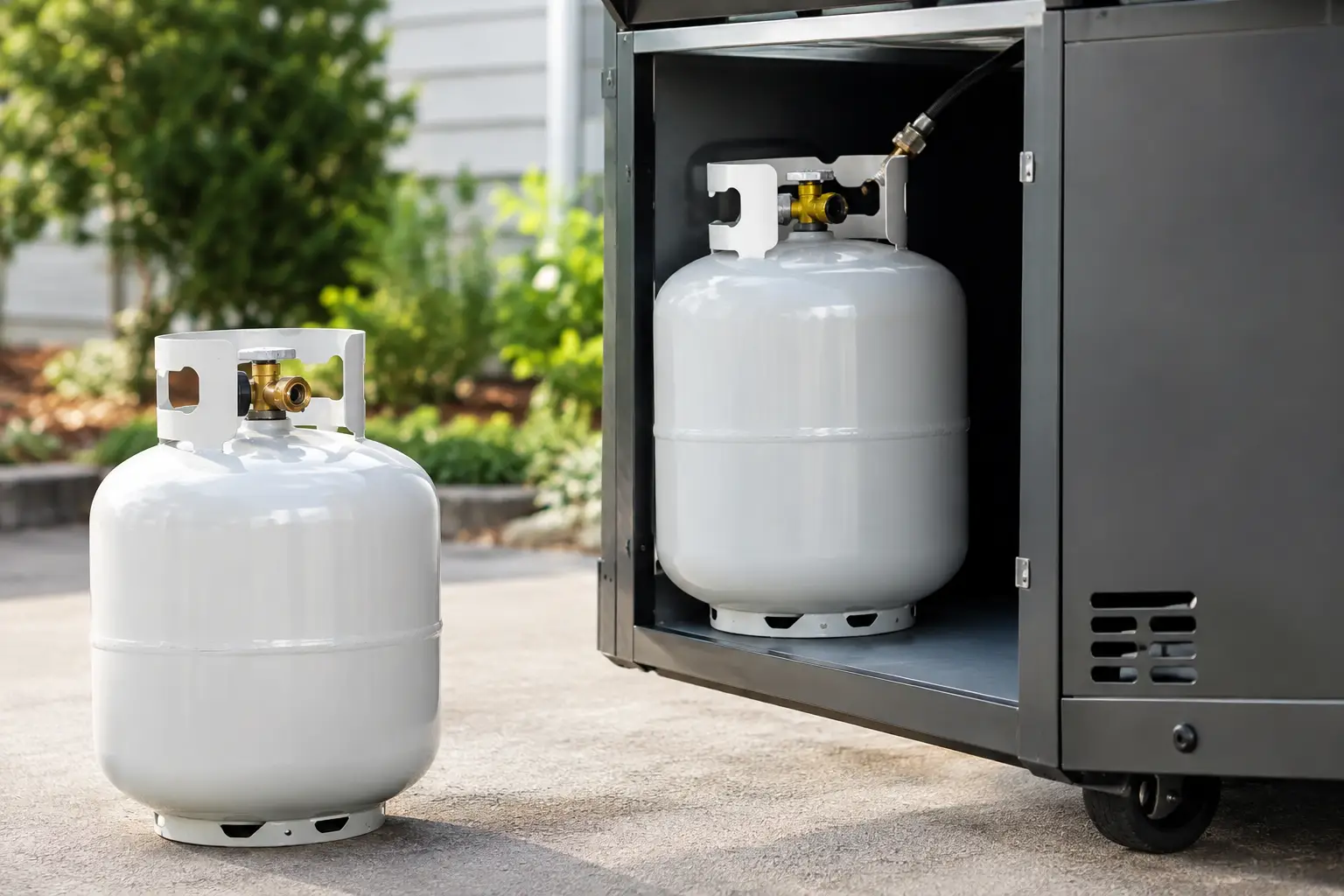
A backyard cookout can lose momentum fast when the grill flame fades halfway through dinner. Knowing how to exchange propane tanks means you can get back to grilling, warming the patio, or enjoying a fire pit without turning a simple errand into a safety concern. For Long Island homeowners, a propane exchange is one of the quickest ways to replace an empty standard grill cylinder and keep outdoor plans moving.
When It Is Time to Exchange a Propane Tank
Most propane tanks used with gas grills, patio heaters, and fire pits are 20-pound cylinders. Even though they are often called 20-pound tanks, that number refers to the propane capacity rather than the weight of the full cylinder. A full tank is much heavier once the cylinder itself is included.
The most obvious sign that it is time for an exchange is a weak or sputtering flame. Your grill may take longer to heat, a patio heater may not stay lit, or the fuel gauge may show that the tank is nearly empty. If you are planning a weekend gathering, it is smart to check the tank before guests arrive rather than discovering the problem after the burgers are already on the grill.
An exchange also makes sense when your current cylinder shows normal age-related wear, has an expired certification date, or needs a valve replacement. The exchange process puts an approved, inspected cylinder back in your hands while your old one is taken out of circulation for servicing, recertification, or recycling.
How to Exchange Propane Tanks Step by Step
Before removing the tank, make sure every burner and pilot light on the connected appliance is completely off. Let a grill cool down if it has recently been used. Then close the propane valve by turning it clockwise until it stops. Do not force the valve beyond its natural stopping point.
Next, disconnect the tank from the regulator. On most modern grills, the connector can be loosened by hand. Turn it counterclockwise, remove it carefully, and keep the hose and regulator clean and out of the way. Place the protective plastic cap over the tank valve if you have one. It helps keep dirt, moisture, and debris out of the connection during transport.
Bring the empty cylinder to a propane exchange location and select a sealed replacement tank. At Westminster Nursery, propane exchange is a convenient stop while you are shopping for outdoor essentials, seasonal plants, firewood, or supplies for your next backyard project. Exchange requirements can vary slightly by location, so bring the empty tank with you and ask the team if you have questions about its condition.
Before taking the replacement cylinder home, inspect it closely. The tank should have a protective seal or cap on the valve, a readable label, and no obvious dents, deep rust, bulges, or signs of damage. A little surface wear can be normal on an exchange cylinder, but the tank should still look well maintained and ready for safe use.
Do Not Exchange a Tank That Is Actively Leaking
If you smell propane, hear a hissing sound, or see damage around the valve, treat the cylinder as a safety issue rather than a routine exchange. Move away from ignition sources, do not smoke, and avoid starting a vehicle nearby. If it can be done safely, leave the tank outdoors in an open area away from buildings and contact the appropriate local emergency or propane safety resource for guidance.
Never try to repair a propane valve yourself. Propane is highly flammable, and a damaged cylinder needs professional handling.
Transport Your Propane Tank the Right Way
Transport is a short part of the trip, but it deserves attention. Keep the cylinder upright at all times and secure it so it cannot roll, tip, or slide around in the vehicle. A milk crate, sturdy box, or purpose-built tank holder can help keep it stable.
Carry the tank in a well-ventilated vehicle whenever possible. Once you arrive home, remove it from the car promptly. Do not leave a propane tank in a hot vehicle, enclosed trunk, garage, basement, or shed. Propane cylinders should be stored upright outdoors, away from doors, windows, dryer vents, direct heat, and anything that could create a spark or flame.
If you are picking up mulch, flowers, shrubs, or other garden center items at the same time, make sure nothing presses against the valve or forces the propane cylinder onto its side. A few extra seconds spent securing the tank can prevent a damaged fitting and make the ride home much easier.
Exchange or Refill: Which Is Better?
For many homeowners, exchanging a propane tank is the most convenient option. You hand over the empty cylinder and leave with an inspected replacement, which is especially useful before a holiday cookout, outdoor party, or chilly evening on the patio. It also avoids questions about the age or certification status of your existing tank.
Refilling can be a good choice in some situations, particularly if your cylinder is newer, in excellent condition, and you want to pay only for the propane added. The trade-off is availability and timing. Exchange locations are often easier to fit into a regular shopping trip, while refill service may require a dedicated stop or have limited hours.
There is another detail worth checking: a standard 20-pound propane cylinder is typically not filled to its maximum water capacity. Exchange cylinders may contain a different amount of propane than a refill, depending on the program and local practices. If the number of grilling hours matters for a big event, read the label and consider keeping a second full tank on hand.
Connect the Replacement Tank Safely
Once you are home, set the tank upright beside the grill, fire pit, or patio heater. Check that the appliance controls are off. Remove the valve cap, inspect the rubber seal inside the regulator connection, and attach the connector hand-tight. Do not use tools unless the appliance manufacturer specifically directs you to do so.
Open the propane valve slowly. Opening it too quickly can trigger a safety feature in some grill regulators and limit the gas flow. After the valve is open, test the connection with a soap-and-water solution. Brush or spray the solution around the valve and regulator connection. If bubbles form or grow, turn the valve off immediately and tighten or reconnect the fitting before testing again.
Never test for a propane leak with a lighter, match, or any open flame. Once the connection passes the soap-and-water test, light the appliance according to its operating instructions and watch for a steady, normal flame.
A Few Habits That Keep Outdoor Cooking Ready
Propane exchange is easy when you make it part of your seasonal routine. Check your tank before Memorial Day, summer cookouts, fall gatherings, and holiday entertaining. If you rely on a patio heater in cooler weather, inspect the fuel level before the temperature drops.
It also helps to keep the tank area around your grill clear of leaves, potting soil, tools, and stored patio items. A clean setup makes it easier to spot a loose connection, read a gauge, and access the shutoff valve when needed. For households that grill often, having a spare cylinder can save a last-minute trip when one tank runs out.
Your outdoor space should feel ready when family and friends arrive. A properly handled propane exchange keeps the grill hot, the patio comfortable, and the evening focused where it belongs: around the table, not around an empty tank.