
How to Design Perennial Borders That Last
Learn how to design perennial borders for Long Island gardens with smart plant layers, season-long color, and practical care tips from local experts today.
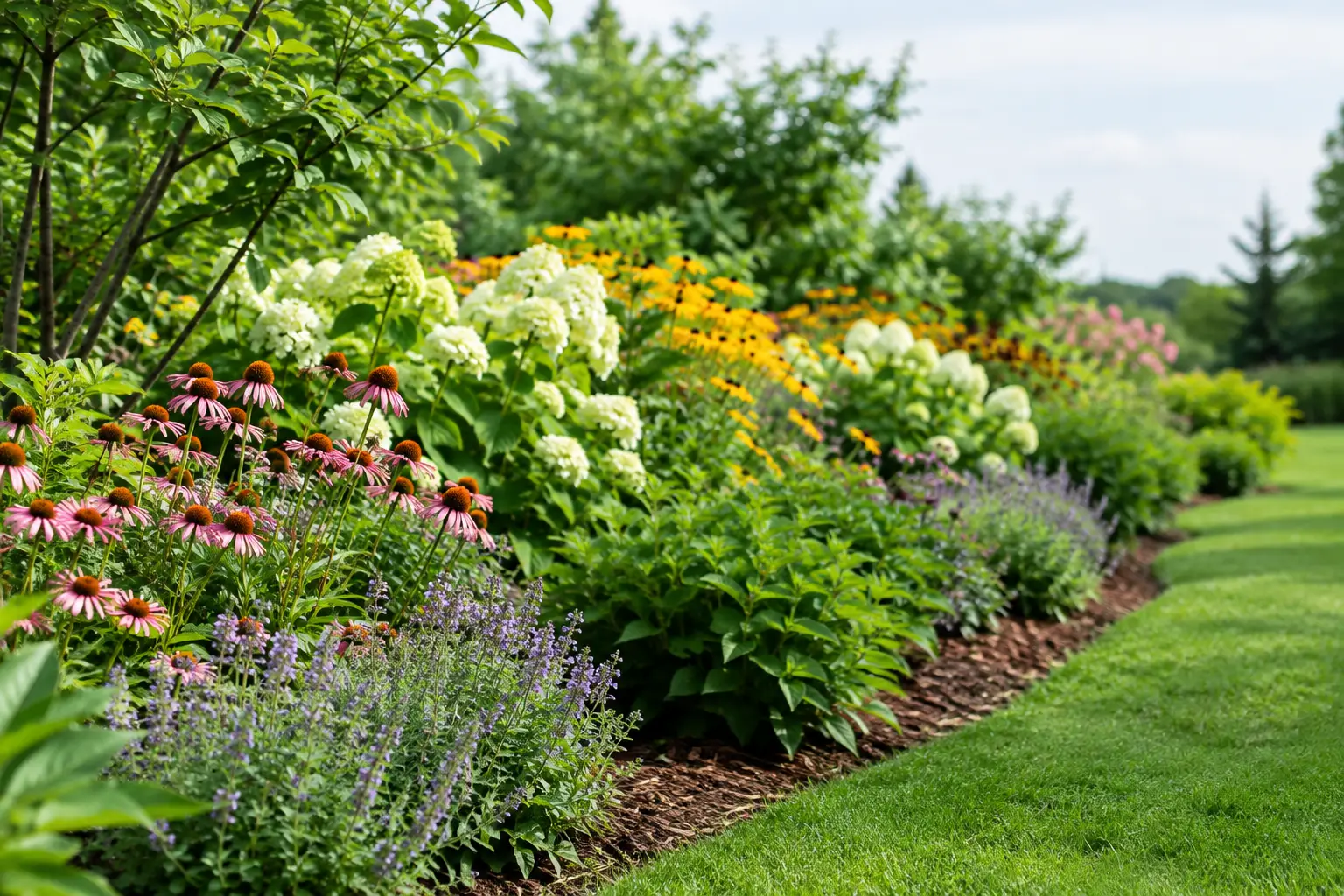
A well-planted perennial border should not look its best for only two weeks in June. It should greet you with early spring color, build into summer, carry texture through fall, and still have enough structure to look intentional after the last leaves drop. That is the real answer to how to design perennial borders for Long Island homes: start with the conditions in your yard, then choose plants that perform together through the seasons.
For Nassau County gardeners, the right border also has to handle real-life demands. It may sit beside a driveway, frame a patio, soften a fence line, or provide curb appeal from the street. Deer pressure, summer heat, coastal wind, clay soil, and uneven drainage can all affect what thrives. A beautiful border is not about filling every open inch on planting day. It is about giving the garden a clear framework and room to mature.
Start With the Site, Not the Plant Tag
Before choosing colors, spend a few days watching the border area. Note how many hours of direct sun it gets, especially in midsummer. Morning sun is gentler than the intense afternoon exposure common along south- and west-facing foundations. A plant labeled for full sun generally needs at least six hours of direct light, while part-shade selections are better for beds that receive filtered light or several hours of morning sun.
Soil and drainage matter just as much. After heavy rain, look for standing water or soggy pockets. Areas that stay wet may suit moisture-tolerant perennials, while a dry strip beneath roof overhangs needs plants that can manage with less water once established. If your soil is compacted, work in organic matter before planting and loosen the bed deeply enough for roots to spread.
Also consider the view. A border seen mainly from the front should be arranged with taller plants toward the back. A bed viewed from a patio, walkway, or both sides needs height near the center and lower plants along its edges. This simple decision prevents the common problem of planting tall flowers in front of shorter ones and hiding half the display by July.
Build a Perennial Border in Layers
The easiest way to make a garden bed feel full rather than scattered is to think in layers. Use a few reliable structural plants first, then add seasonal bloomers and finishing plants that knit the design together.
Begin with anchors
Anchors are the plants that give a border shape before most flowers open. Ornamental grasses, compact evergreens, hydrangeas, small shrubs, and large perennials with strong foliage can all serve this purpose. They create a steady backdrop for flowering plants and keep the bed from looking bare in early spring or late fall.
In a sunny Long Island border, ornamental grasses and broad-leaved perennials can add movement and texture. In part shade, consider foliage-forward choices with distinct leaf shapes and tones. The exact plant mix depends on light and soil, but the principle remains the same: choose a small number of dependable anchor plants and repeat them rather than buying one of everything.
Add a middle layer for the main show
The middle layer does most of the visual work. These are the flowering perennials that establish the border's color palette and bloom sequence. Coneflowers, salvia, daylilies, garden phlox, black-eyed Susans, asters, and bee balm are familiar options for sunny spaces. Hostas, astilbe, heuchera, Japanese anemones, and ferns can create a rich effect in shadier beds.
Avoid placing one of each perennial across the bed like a collection shelf. Group the same variety in clusters of three, five, or more, depending on the size of the border. Repeated drifts of color read clearly from a distance, look more polished, and make the garden feel connected to the rest of the property.
Finish with lower plants and edging
Low-growing perennials belong near the front edge, where they soften hard lines and keep mulch from becoming the main visual feature. Depending on sun exposure, this layer might include creeping phlox, dianthus, coreopsis, catmint, coral bells, lady's mantle, or compact sedums.
Choose edging plants for foliage as well as flowers. Blooms come and go, but a neat mound, silver leaf, deep burgundy foliage, or fine grassy texture gives the border a finished look for months. This is particularly useful along walkways and front foundations, where the bed is seen often and up close.
Plan for Bloom Time, Foliage, and Fall Interest
A border with nonstop flowers is a good goal, but a border with nonstop interest is better. No perennial blooms forever. The solution is to combine plants that peak at different times while paying attention to foliage, seed heads, and plant form.
Start with a spring group, such as creeping phlox, peonies, iris, or alliums. Follow with early- and midsummer performers such as salvia, daylilies, coneflowers, and bee balm. Then make sure late summer and fall are covered with options like sedum, asters, ornamental grasses, and hardy mums. In many Long Island gardens, late-season color is what makes the landscape continue to feel welcoming after annual containers begin to fade.
Do not overlook leaf color. A border made entirely of green foliage can still be lovely, but contrasting chartreuse, blue-green, silver, burgundy, and variegated leaves create depth even between bloom cycles. Seed heads and grasses also deserve a place in the plan. They add texture in autumn and can give the winter garden shape instead of leaving a flat, empty bed.
Choose a Color Plan That Fits Your Home
A limited color palette usually has more impact than a little bit of every color. Look at your house siding, front door, stonework, and existing landscaping before selecting blooms. Cool combinations of blue, purple, white, and soft pink can feel calm and classic. Hot shades of yellow, orange, red, and gold create a brighter, more energetic display. White flowers are especially useful in partially shaded beds and near entryways because they stand out at dusk.
That does not mean every flower must match perfectly. Gardens should have personality. The goal is to repeat a few colors often enough that the border feels deliberate. For example, a foundation bed might carry purple salvia, pink coneflowers, white summer blooms, and ornamental grass throughout the season. Add one contrasting accent color, and the planting stays lively without becoming chaotic.
Give Plants Enough Room to Grow
Newly installed perennials can look small, which makes it tempting to plant too closely. Resist the urge. Most perennials need room for air circulation and mature width, especially in humid summer weather. Crowded plants are more likely to flop, develop mildew, and require dividing sooner.
Read the mature spread on the plant tag and use it as a guide, not an absolute rule. A formal, densely planted border may be spaced a little closer, while large, vigorous varieties need more breathing room. Mulch the open spaces with a two- to three-inch layer, keeping it away from stems and crowns. Mulch helps regulate soil moisture, suppresses weeds, and makes young plantings look tidy while they fill in.
For the first growing season, consistent watering is more valuable than frequent light sprinkling. Water deeply at the base of plants so roots travel down into the soil. Once established, many perennials need less attention, but newly planted borders should not be left to fend for themselves during a hot, dry stretch.
Make Maintenance Part of the Design
The best perennial border is one you can realistically maintain. If you enjoy deadheading and dividing, you can include varieties that reward regular care with additional flowers. If weekends are busy, lean on plants with long bloom windows, durable foliage, and tidy habits.
Plan for access before planting. A border deeper than four to six feet may need stepping stones or a path so you can reach the back without crushing the front. Keep taller plants away from narrow walkways where they will spill into traffic. In deer-prone neighborhoods, prioritize plants that are generally less appealing to deer, while remembering that no plant is completely guaranteed when food is scarce.
Perennials also evolve. After a few years, some will need division, others will grow larger than expected, and a few may not like a particular spot. That is normal gardening, not a design failure. Leave room to edit the planting as you learn what performs best in your yard.
Get a Strong Start for Your Long Island Garden
A thoughtful border can make a front yard feel more welcoming, give a backyard patio a finished setting, and bring fresh color to the property from spring through fall. Westminster Nursery can help homeowners match perennial choices to sun, soil, bloom time, and the style of their landscape, whether the project is a single foundation bed or a complete outdoor redesign.
Bring a few photos and rough measurements of your planting area when you shop. Seeing the space as it is - not just the plants in bloom - is often the simplest way to choose a border that will look better with every passing season.