
Evergreen Hedge Versus Fence Costs on Long Island
Compare evergreen hedge versus fence costs for Long Island privacy, with installation, care, timing, and the value each option brings to your property.
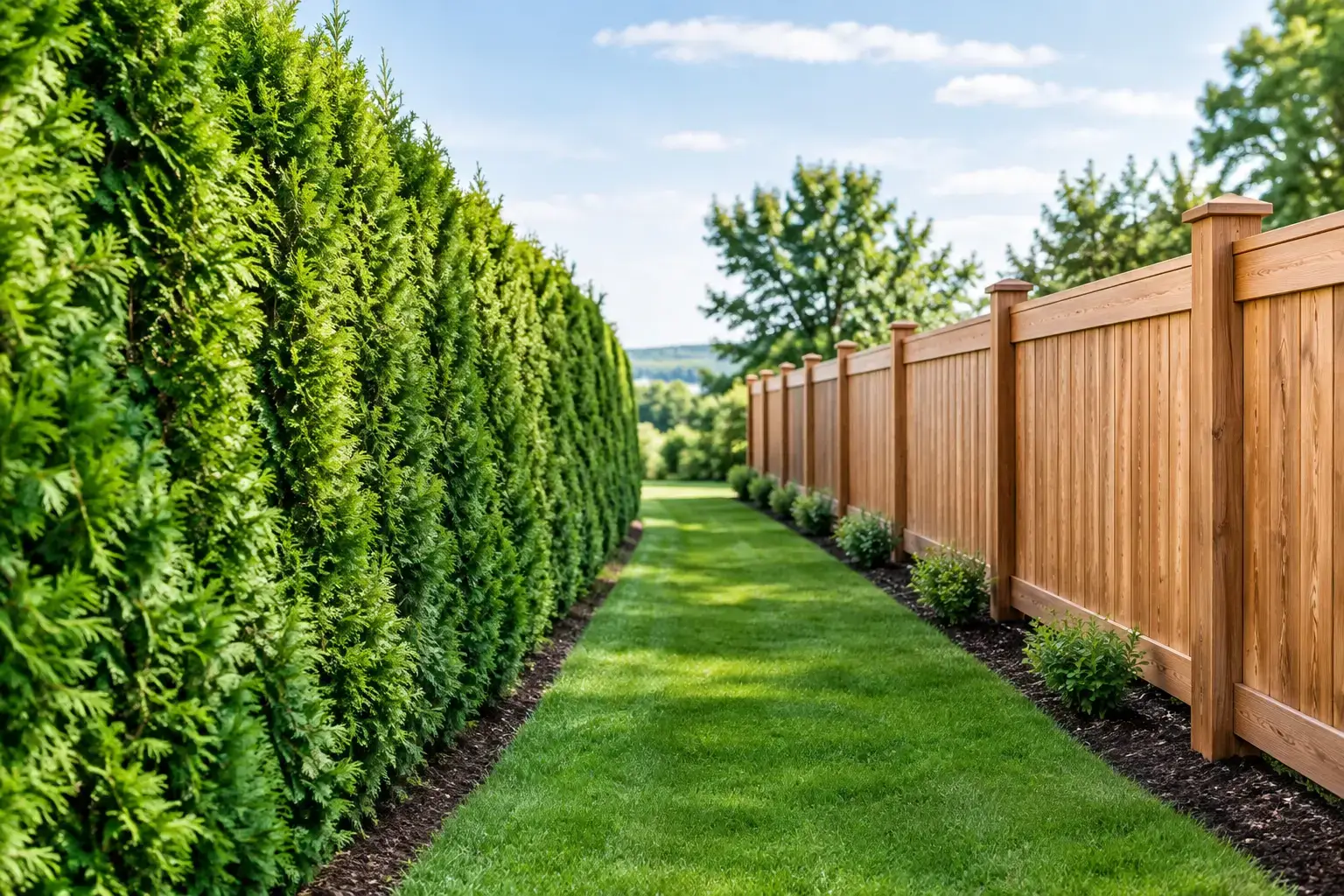
A backyard privacy project can look very different on paper than it does from the patio. When homeowners compare evergreen hedge versus fence costs, the upfront number is only one part of the decision. On Long Island, lot size, existing trees, soil conditions, local exposure, installation access, and the level of privacy you want all affect the real investment.
A fence gives you an immediate boundary. An evergreen hedge becomes a living feature that can add softness, screening, and year-round curb appeal. The better choice depends on what you need now, what you want your property to look like in a few years, and how much ongoing care fits your routine.
Evergreen Hedge Versus Fence Costs: What You Pay For
Fence pricing is generally easier to understand at the start. Your total is based on linear footage, material, height, gates, post setting, removal of an old fence, and the conditions of the work area. A simple wood fence, a low-maintenance vinyl fence, an ornamental metal design, and a custom privacy installation can have very different price points. Slopes, tight side yards, utility lines, and difficult access can raise installation costs as well.
With a hedge, the initial investment is shaped by plant variety, plant size, spacing, delivery, soil preparation, and installation. A row of younger evergreens costs less initially than mature specimens, but it takes longer to create a solid screen. Larger plants deliver a more immediate result, though each plant costs more and needs careful handling to establish well.
For either option, measurements matter. A 40-foot property line is a different project from a 140-foot rear-yard screen. Before comparing quotes or shopping for materials, measure the area you want to cover, note where doors, gates, air-conditioning units, and utility access are located, and decide whether privacy is needed from one direction or several.
The Upfront Cost Question: Instant Privacy or Living Privacy?
A fence often wins when the priority is immediate screening. Once installed, it creates a visual barrier that day. This can be especially useful beside a driveway, near a busy street, around a pool area, or along a property line where neighboring sightlines are close.
An evergreen hedge can also provide strong privacy from the start when installed at a substantial size. Green Giant arborvitae, arborvitae varieties suited to narrower spaces, Leyland cypress, and skip laurel are popular choices for Long Island homeowners because each can create a dense green boundary under the right conditions. The cost rises with the height and fullness of the material, but so does the immediate impact.
The middle-ground option is to plant smaller material and allow time for growth. This lowers the initial plant bill, but it is not the same as purchasing privacy today. A homeowner who is comfortable waiting several growing seasons may find this approach appealing. Someone looking to block a direct view this summer may be better served by larger plants, a fence, or a thoughtful combination of both.
Long-Term Costs Change the Comparison
A fence is not necessarily a one-time expense. Wood may need staining, sealing, board replacement, or eventual rebuilding. Vinyl can be lower maintenance, but it may need cleaning and can be damaged by impact or severe weather. Metal fencing can last for many years, yet may require attention to scratches, hardware, or rust depending on the finish and location.
A hedge has its own ongoing needs: watering during establishment, mulching, seasonal feeding when appropriate, pruning, and monitoring for pests or disease. The first one to two years are particularly important. Newly planted evergreens need consistent moisture, especially through hot, dry periods, to develop roots that can support healthy growth.
That care is not simply an added chore. It is part of protecting the investment. An established hedge can be a long-lasting landscape element, but plants are living material. Deer pressure, winter wind, salt exposure, drainage problems, and compacted soil can affect performance. A hedge planted in the right location and cared for properly can be remarkably durable. A hedge placed where conditions do not suit it can become costly to correct.
Choose the Right Evergreen for the Space
The least expensive plant is not always the best value. A hedge needs room to reach its natural width, and crowding plants to get an instant wall can create trouble later. Poor airflow, uneven growth, and difficult pruning are common results of planting too tightly.
Arborvitae remains a familiar choice for formal privacy screens. Certain varieties offer a tall, narrow profile that works well in tighter side yards, while Green Giants need more room but can create a broad, fast-growing screen. Leyland cypress has a strong presence and quick growth in suitable locations. Skip laurel offers a different look, with broad, glossy foliage and a useful ability to form a dense, lower-to-medium-height evergreen boundary.
Sun exposure should guide the selection. So should the mature height you actually want. A hedge that grows far beyond the space can become a recurring pruning expense, while a variety that never reaches the desired height may leave you disappointed after years of waiting.
Four Costs Homeowners Commonly Miss
The purchase price of plants or fence panels is rarely the whole project. These four items deserve a place in the budget from the beginning:
- Site preparation: Old shrubs, roots, fence sections, weeds, and compacted soil may need to be removed or improved before installation.
- Irrigation and watering: A hedge needs dependable watering during establishment. Long runs of plants may call for a more organized watering plan.
- Property-line details: Survey information, local rules, and conversations with neighbors can prevent expensive adjustments after work begins.
- Future maintenance: Consider hedge trimming, mulch, replacement plants, fence cleaning, repairs, and the time involved over the years.
These details often explain why two projects with similar lengths can have very different totals. A clear, level yard with good access is a simpler job than a narrow, heavily landscaped property where every plant or panel must be moved through a side gate.
Appearance and Property Value Matter Too
A fence creates a crisp architectural line. It can complement a modern home, define outdoor rooms, and provide a reliable backdrop for planting beds. It also takes up relatively little ground space, which can be helpful on a compact property.
An evergreen hedge creates a softer, more natural edge. It can reduce the visual impact of neighboring structures, frame a patio, and bring color to the landscape even when deciduous trees are bare. Mature greenery can make a yard feel more established, which is one reason many homeowners see a hedge as an investment in both daily enjoyment and curb appeal.
The trade-off is that a hedge requires space. It also changes with the seasons and over time. A fence looks largely the same from year to year. A living screen grows fuller, can be shaped, and may eventually become one of the strongest features in the landscape.
When a Fence Makes More Sense
A fence may be the practical choice if your project requires immediate, complete screening at a specific height; if the planting area is too narrow for healthy evergreen growth; or if the site receives conditions that make a hedge difficult to establish. It is also useful when you want a secure enclosure for pets or a clear separation around a pool or play area.
For some homes, the cleanest solution is a fence softened with shrubs, perennials, or containers in front of it. You receive the immediate definition of a fence while adding the color, texture, and seasonal interest of a planted landscape.
When an Evergreen Hedge Is Worth It
A hedge is often worth the investment when the landscape itself is part of the goal. If you want privacy without making the yard feel boxed in, evergreens can create a more welcoming result. They are especially effective along rear property lines, beside patios, around outdoor entertaining areas, and where a view needs softening rather than a hard visual stop.
The strongest hedge projects begin with the right plant, proper spacing, and a realistic expectation for growth. Westminster Nursery can help homeowners select privacy material suited to their space and connect that choice to a complete landscape plan, from installation through seasonal care.
A Hybrid Approach Can Deliver the Best Value
You do not always have to choose one solution for the entire property. A fence along the narrowest or most visible edge can provide instant privacy, while an evergreen hedge can screen a longer boundary and improve the view from inside the yard. This approach can control costs while making the finished space feel more layered and intentional.
Walk your property at different times of day before deciding. Notice where privacy matters most, where the sun falls, where water collects after rain, and how much room is available for mature plants. The right boundary is the one that fits your property now and still feels like a good decision when the landscape has had time to grow.