
Why Are My Shrubs Browning? Local Answers
Why are my shrubs browning? Learn how to spot drought, pests, winter burn, disease, and root stress in Long Island landscapes before damage spreads quickly.
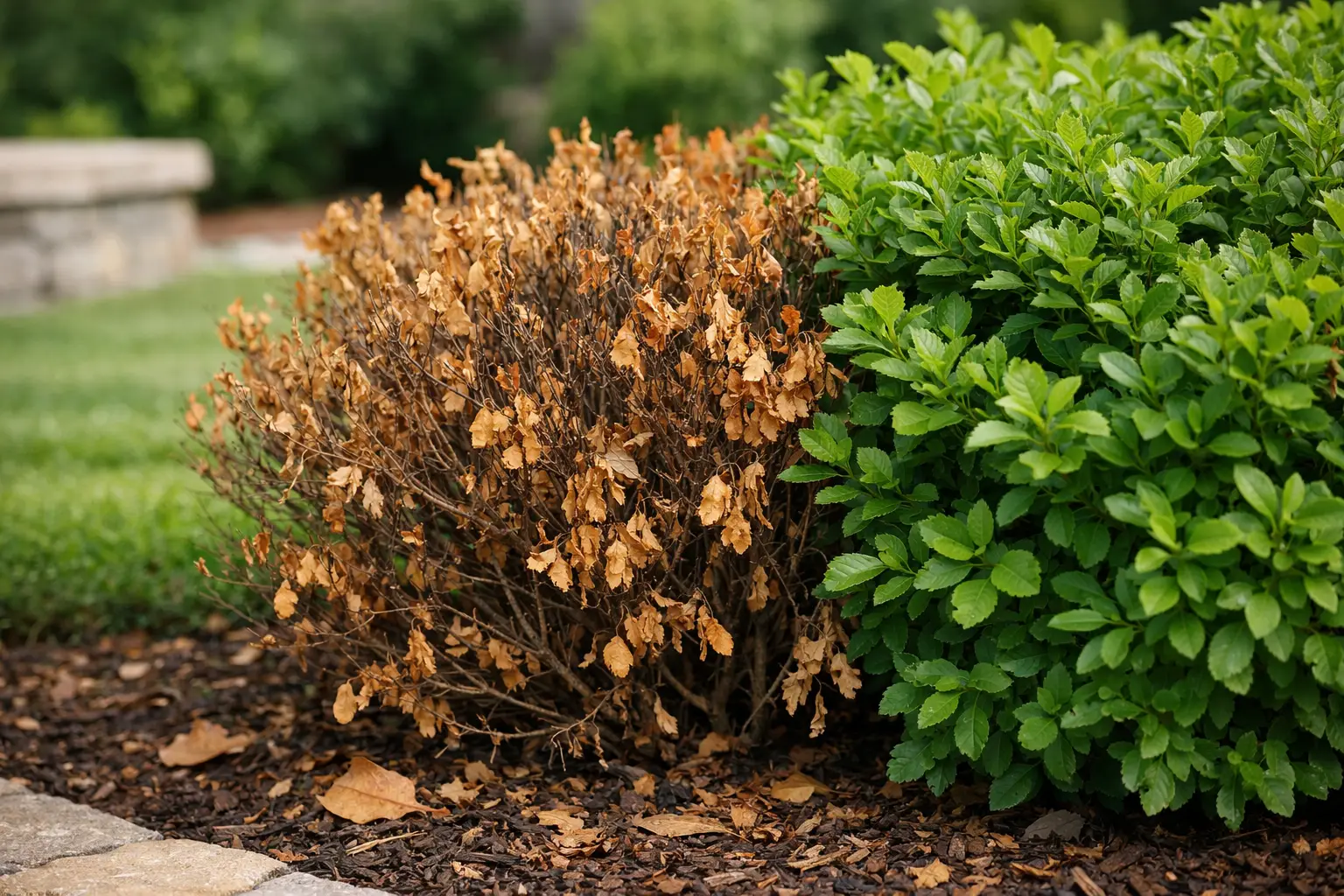
A row of arborvitae can look great on Friday and suddenly show bronze tips by Monday. That quick change is exactly why homeowners ask, why are my shrubs browning? On Long Island, the answer is rarely just one thing. Hot, dry spells, heavy rain, winter wind, road salt, compacted soil, insects, and planting problems can all leave their mark - sometimes at the same time.
The good news is that brown foliage does not automatically mean a shrub is lost. Start by looking closely at where the browning began, what time of year it appeared, and whether the branches beneath it are still alive. Those details point you toward the right response and can help protect the rest of your landscape.
Why Are My Shrubs Browning? Start With the Pattern
Before pruning or treating anything, inspect the shrub from the outside and the inside. Brown needles or leaves only deep in the center of an otherwise healthy evergreen are often normal. Arborvitae, spruce, yew, juniper, and many broadleaf evergreens naturally shed older interior growth as new foliage shades it out. This is most noticeable in late summer and fall.
Browning at the tips, on one side, or across the entire shrub calls for a closer look. Take a small twig and gently bend it. A living branch is usually flexible, with green tissue just beneath the bark when lightly scratched. A dead branch snaps easily and is brown and dry inside.
The pattern matters. Damage concentrated on the side facing a road may suggest salt spray. Browning on the sunny, windy side of an evergreen after winter often points to winter burn. A shrub turning brown from the bottom upward may be dealing with root trouble, poor drainage, or a pest issue. When several plants in the same bed decline together, look first at watering, soil conditions, and recent landscape changes.
Water Stress: Too Little and Too Much Look Similar
Drought is one of the most common reasons shrubs brown, especially during a hot Long Island summer. Newly planted shrubs are especially vulnerable because their roots have not yet grown into surrounding soil. Even established hedges can struggle when dry weather follows a period of heavy rain, because water may have run off rather than soaked into the root zone.
Check the soil several inches below the surface rather than judging by a dry-looking mulch layer. If it is dry and crumbly, water slowly and deeply at the base of the plant. A long soak is more useful than frequent light sprinkling, which encourages shallow roots. Morning watering gives foliage time to dry and reduces the chance of disease.
Too much water can create nearly identical symptoms: dull foliage, yellowing, browning, and branch dieback. In poorly drained areas, roots are starved of oxygen and begin to decline. This is common where a planting bed sits low, where clay-heavy soil compacts, or where downspouts send extra water toward shrubs.
If the soil remains wet for days, do not add more water simply because the foliage looks stressed. Improve drainage where possible, redirect runoff, and avoid piling mulch against stems. A mulch layer about 2 to 3 inches deep helps hold moisture and moderate soil temperature, but it should be kept a few inches away from the trunk or main stems.
Winter Burn, Wind, and Salt Exposure
Evergreen shrubs lose moisture through their foliage all winter. When the ground is frozen, roots cannot replace that moisture. Add cold wind and bright winter sun, and needles or leaves may turn tan, bronze, or brown by late winter or early spring. Arborvitae, boxwood, rhododendron, holly, and skip laurel can all show this type of damage.
Winter burn usually appears on the outermost foliage or on the side receiving the strongest wind and sun. Wait until spring growth begins before deciding how much to prune. Some branches that look rough in March will push new growth once roots become active again. Prune only clearly dead wood, cutting back to healthy green tissue.
Road salt is another frequent issue in Nassau County landscapes. Salt spray can brown foliage along driveways and roads, while salt-laden meltwater can damage roots and leave soil difficult for plants to use. The damage often appears on the road-facing side or in a narrow strip near pavement.
Where salt exposure is predictable, use a physical burlap barrier set several inches away from the shrub, not wrapped tightly around foliage. Watering the soil deeply in spring can help flush salts below the root zone when drainage allows. For heavily exposed sites, plant selection matters just as much as protection.
Pests and Disease Can Turn Foliage Brown
Not every brown branch is caused by weather. Spider mites are tiny but can do real damage during hot, dry periods. Look for faded, stippled foliage and fine webbing, especially inside arborvitae and spruce. Hold a sheet of white paper beneath a branch and tap it lightly. Tiny moving specks may indicate mites.
Bagworms can also brown sections of arborvitae, juniper, and other evergreens. Their small, hanging cases are made from bits of foliage and can blend into the plant. Remove visible bags by hand before they become a larger problem.
Fungal diseases and twig blights often create scattered brown shoots, sometimes beginning at the tips. On broadleaf evergreens, leaf spots may appear before leaves turn yellow or brown and drop. Good airflow, proper spacing, and watering at the root zone all help limit disease pressure. Avoid shearing wet shrubs, since pruning tools and wet foliage can help spread problems.
If you find a pest or suspect disease, bring a fresh sample in a sealed bag for a closer look. Include both healthy and affected foliage if possible. A correct diagnosis prevents wasted effort and helps you choose a response that fits the plant and the season.
Root Problems Often Begin at Planting Time
A shrub can look healthy for months after planting and then begin browning once heat, cold, or dry weather adds stress. One common cause is planting too deeply. The root flare - the point where the trunk or stems widen into the roots - should sit at or slightly above finished soil level. Buried stems stay wet, roots struggle, and decline may appear gradually.
Root-bound nursery plants can also have circling roots that fail to spread outward. When planting, loosen the outer roots gently and set the shrub in a hole two to three times wider than the root ball, but no deeper than the root ball itself. Backfill with the native soil rather than creating a sharply different pocket around the roots.
Construction, new patios, changes in grading, and repeated foot traffic can compact soil around mature shrubs. Roots need air as much as they need water. If decline began after work was done nearby, root disturbance may be part of the story. In those cases, aggressive pruning or heavy fertilizer can add more stress rather than solve the issue.
Should You Prune Brown Shrub Branches?
Pruning can improve appearance, but timing and restraint matter. Remove dead, brittle branches whenever you can confirm they are dead. For winter-damaged evergreens, wait until new growth begins so you can see what will recover. Never cut arborvitae or many other needle evergreens back into bare brown wood, because they often will not regenerate from it.
For broadleaf shrubs such as boxwood, holly, and skip laurel, prune back to healthy growth or a live side branch. Clean, sharp pruners make a cleaner cut. If much of a shrub is brown, resist the urge to reshape it immediately. Address watering, drainage, exposure, or pest pressure first, then prune after the plant has had time to respond.
When Replacement Is the Better Choice
A shrub is unlikely to recover when most branches are dry and brittle, the bark is brown beneath a scratch test, and no new growth appears during the growing season. Before replacing it, identify why it failed. Installing the same plant in the same poorly drained, salt-exposed, or overly shaded spot may lead to the same result.
This is where local plant guidance makes a difference. A privacy hedge needs a different solution beside a busy road than it does in a protected backyard. The right arborvitae, Green Giant, Leyland cypress, skip laurel, or flowering shrub depends on sunlight, soil moisture, mature size, and winter exposure.
Bring a few clear photos, a sample branch, and details about when the browning started to Westminster Nursery. A closer look can help separate normal seasonal change from a problem that needs action - and help your shrubs return to being the healthy backdrop your property deserves.