
Hydrangeas for Long Island Yards
Hydrangeas bring big color to Long Island landscapes. Learn which types thrive, when they bloom, and how to choose the right fit for your yard.
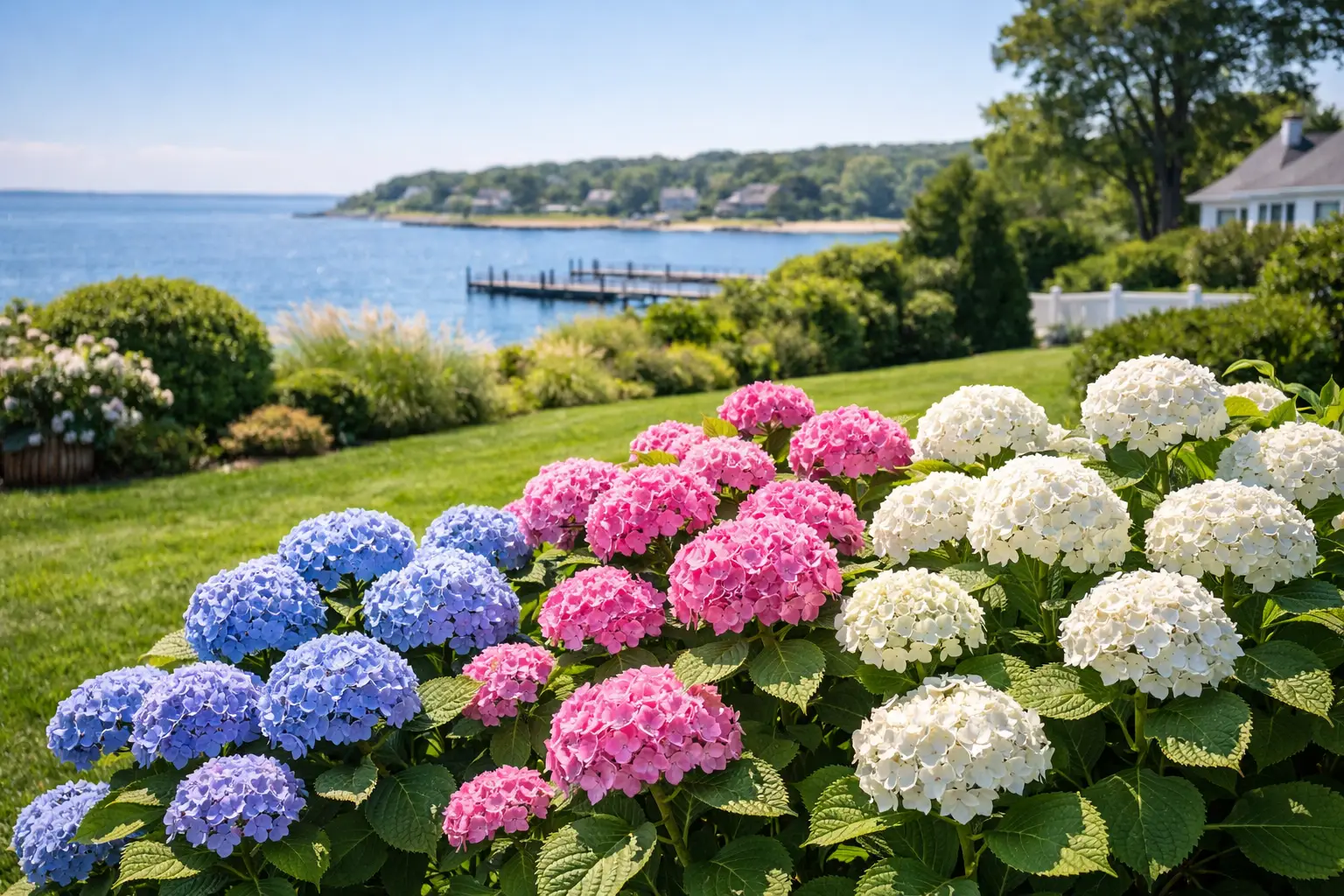
Few shrubs get asked for by name as often as Hydrangeas - and for good reason. They deliver the kind of full, showy color that can make a front foundation, backyard border, or patio planting feel finished fast. For Long Island homeowners who want strong seasonal impact without relying on short-lived annual color alone, hydrangeas are one of the smartest landscape choices.
The trick is choosing the right one. Not every hydrangea grows the same way, blooms at the same time, or handles the same conditions. If you have a sunny spot in one yard and part shade in another, or if you are planting near the house versus along a property line, those details matter.
Why Hydrangeas stay so popular
Hydrangeas earn their space because they do more than just flower. They create structure, soften hard edges around the home, and give planting beds a fuller, more established look. Even when they are not in peak bloom, their foliage adds substance that many flowering shrubs simply do not.
They also fit a wide range of properties across Nassau County and Long Island. A compact hydrangea can work near a walkway or entry, while larger varieties can anchor a mixed shrub border or fill out a backyard planting bed. That flexibility is a big reason they remain a favorite for both casual gardeners and homeowners planning bigger outdoor upgrades.
The main types of Hydrangeas to know
Bigleaf hydrangeas are the classic favorites many people picture first. These are the blue, pink, or purple mophead and lacecap types that bring a more traditional garden look. They are especially popular near patios, porches, and foundation beds where their blooms can be seen up close. Their flower color can vary depending on soil conditions, which is part of the appeal for some gardeners, but it also means results can be less predictable.
Panicle hydrangeas are a strong choice for homeowners who want reliability and size. These usually handle more sun than bigleaf varieties and produce large cone-shaped blooms that often open white and age into pink or rose tones. They are excellent for larger beds, specimen plantings, and landscapes where a bold summer presence matters.
Smooth hydrangeas are known for rounded blooms and a softer, classic look. They can be a great fit in part-sun locations and often bring strong midsummer color. Oakleaf hydrangeas add another layer of interest with textured foliage, white blooms, and standout fall color, making them a smart option for homeowners who want multi-season value.
Choosing the right hydrangea for your yard
Start with sunlight. Some hydrangeas appreciate morning sun and afternoon shade, while others are more tolerant of stronger sun exposure. On Long Island, summer heat and reflected heat from driveways, patios, and siding can affect how a plant performs, so placement matters more than many shoppers expect.
Next, think about size at maturity. A hydrangea that looks neat in a nursery pot can become far too large for a narrow bed if the variety is not matched to the space. That is one of the most common planting mistakes. It is better to choose a variety that naturally fits the area than to count on constant pruning to keep it under control.
Bloom timing matters too. Some hydrangeas flower on old wood, some on new wood, and some can do both. That affects when and how they should be pruned. If easy care is high on your list, choosing a variety with simpler maintenance can save time and frustration.
Hydrangea care that makes a real difference
Hydrangeas do best when they are planted in good soil with reliable moisture, especially during establishment. They are not a set-it-and-forget-it shrub in the first season. Deep watering during dry stretches helps roots settle in and supports better flowering.
Mulch helps, too. It keeps soil moisture more consistent and protects roots from stress during hot weather. Fertilizing should be done with intention, not excess. Too much feeding can push leafy growth at the expense of blooms.
Pruning is where many homeowners get tripped up. The wrong cut at the wrong time can mean fewer flowers the following season. That does not mean hydrangeas are difficult, but it does mean care should match the variety. If you are unsure, it is worth asking before cutting.
Where hydrangeas work best in the landscape
Hydrangeas are especially effective where homeowners want noticeable color without making the yard feel busy. They work well along front walks, around mailbox beds, near outdoor entertaining areas, and as part of layered foundation plantings. In larger properties, they can be grouped for a bigger visual block of summer bloom.
They also pair well with evergreens, ornamental grasses, and other shrubs that extend interest beyond flowering season. That balance matters in professionally planned landscapes. A yard looks stronger when hydrangeas are part of a complete planting approach rather than the only feature doing the visual work.
For homeowners looking to refresh curb appeal or build out a more polished backyard planting plan, Westminster Nursery offers hydrangeas alongside trees, shrubs, seasonal color, and landscape support that make choosing easier. Seeing varieties in person and matching them to real yard conditions can save time and lead to better results.
A great hydrangea planting does not start with picking the prettiest bloom. It starts with choosing the right plant for the right place, so your landscape looks better not just this season, but year after year.