
How to Select Nursery Shrubs for Your Yard
Learn how to select nursery shrubs for Long Island yards, from checking roots and foliage to matching light, mature size, soil, and privacy needs at home.
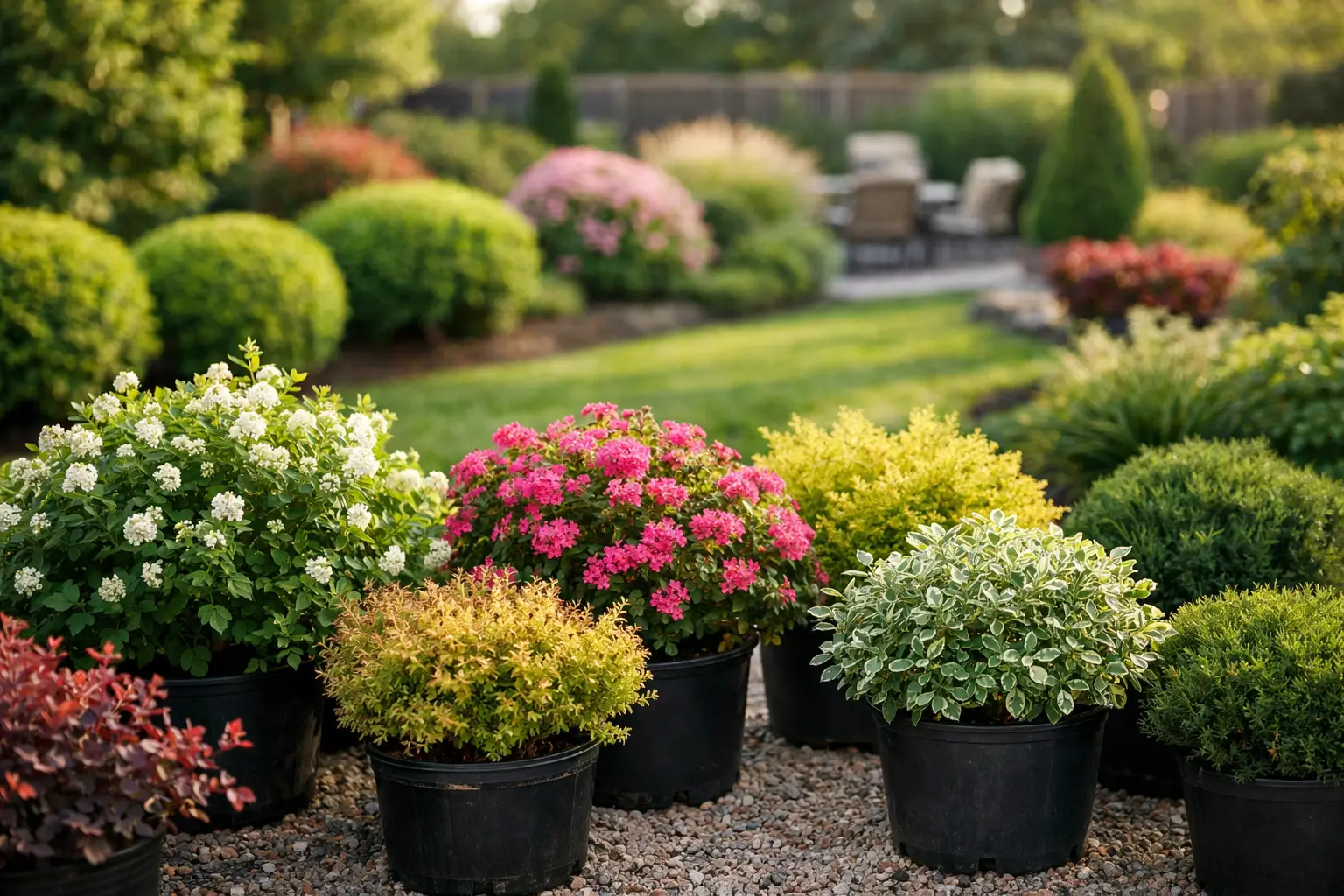
A shrub that looks great in a nursery pot can become a favorite part of your landscape for years - or a constant pruning job, a crowded walkway, or a disappointing bare spot. Knowing how to select nursery shrubs means looking beyond today’s flowers or glossy leaves and choosing plants that suit your Long Island property, your growing conditions, and the job you need them to do.
Whether you are filling a foundation bed, adding seasonal texture, screening a neighbor’s view, or building a new front-yard landscape, a little planning at the nursery makes the difference. Start with the location, then inspect the plant itself before it comes home.
Start With the Shrub’s Job in Your Landscape
Before choosing a variety, decide what you want the shrub to accomplish. A low evergreen edging plant has very different requirements from a flowering focal point or a tall privacy hedge. A clear purpose narrows the selection quickly and helps you avoid bringing home a plant that is beautiful but wrong for the space.
For foundation planting, consider shrubs with a naturally tidy habit and a mature height that will not cover windows, crowd siding, or block access to utility equipment. For a front entry, look for plants with four-season interest, attractive foliage, reliable blooms, berries, or distinctive branching. If privacy is the goal, choose dense plants that reach the necessary height and width without needing aggressive shearing every few weeks.
On Long Island, evergreen screening is especially popular for backyards and property lines. Arborvitaes, Green Giant arborvitaes, Leyland cypress, and skip laurels can all serve that purpose, but they are not interchangeable. Their mature size, growth rate, sun needs, and tolerance for wind exposure vary. A hedge should fit the site at maturity, not just fit into the car today.
Match Light, Soil, and Exposure Before You Shop
The most reliable shrubs are the ones matched to the conditions already present in your yard. Spend a day noticing how much direct sun the planting area receives. Full sun generally means six or more hours of direct light, while part sun or part shade means a shorter window of sun, often gentler morning light. Deep shade beneath mature trees calls for a much more selective plant choice.
Also consider the conditions that do not appear on a plant tag. Is the area exposed to winter wind? Does water collect after a heavy rain? Is it near a driveway where salt spray can be a concern? Is the soil dry because tree roots compete for moisture? Nassau County yards can change dramatically from one side of a property to the other, so one shrub selection rarely works everywhere.
Soil drainage deserves particular attention. Most shrubs prefer soil that drains well but holds enough moisture for roots to establish. If a spot stays wet for days after rain, do not try to solve the problem simply by adding a moisture-sensitive shrub. Choose plants adapted to wetter conditions or address drainage before planting. In a dry, sunny bed, choose varieties that can handle heat and reduced moisture after they are established.
Read the Tag, but Think in Mature Dimensions
A nursery tag provides a useful starting point for sunlight, water needs, hardiness, mature size, and bloom timing. The most overlooked detail is mature width. Homeowners often space young shrubs according to the gap they want filled right away, then find the plants touching, shading one another, and losing their natural shape a few seasons later.
Use the listed mature spread to determine spacing. If a shrub is expected to grow four feet wide, leave room for that width rather than planting it two feet from the next shrub. A dense hedge may be planted somewhat closer based on the variety and desired finished effect, but random crowding creates weak growth and poor air circulation.
Height matters just as much near a house, fence, walkway, or driveway. Think about sightlines when backing out of the driveway, the space needed to open a gate, and access for seasonal maintenance. If a plant will require repeated hard pruning to stay within bounds, it is probably not the right plant for the location.
How to Select Nursery Shrubs That Are Healthy
Once you have identified suitable varieties, inspect individual plants closely. Shrubs are living inventory, and two pots of the same variety can be in very different condition. Choose a plant with balanced growth, healthy foliage, and branches that are well distributed rather than concentrated on one side.
Leaves should look appropriately colored for the variety, without widespread yellowing, heavy spotting, webbing, sticky residue, or chewed edges. A few weather-marked leaves are not always a concern, especially late in the season, but the overall plant should look vigorous. Check branch tips and leaf undersides for obvious insect activity.
Gently inspect the root zone if possible. A healthy root system is often firm and well-developed, but it should not be a dense, circling mass that has filled the pot with tangled roots. Plants that have been in containers too long can become root-bound, making establishment more difficult. If roots are visible through drainage holes, ask a nursery professional to help assess whether the shrub is ready to plant or has outgrown its container.
Avoid shrubs with snapped main branches, loose root balls, or trunks that wobble excessively in the soil. A plant may recover from a minor broken twig, but structural damage can affect its long-term form. For grafted shrubs or tree-form plants, check that the graft area is sound and that the plant is not sending vigorous shoots from below the graft.
Choose the Right Size Plant for Your Project
Bigger is not automatically better. A larger shrub creates immediate impact, but it costs more, weighs more, and can need closer attention to watering while it establishes. Smaller container-grown plants are often easier to handle and may settle into their new site quickly when properly planted and cared for.
The right choice depends on your goals. If you are refreshing a front bed and want a finished look for an upcoming season, larger specimens can make sense. If you are planting a long border or building a hedge, smaller sizes may allow you to cover more ground while still giving plants room to grow. For privacy projects, ask about the expected annual growth rate rather than assuming a young plant will provide screening immediately.
When choosing several shrubs for one bed, look for plants with similar size and fullness. They do not need to be perfectly identical, but a grouping looks more intentional when the plants are comparable in condition and development.
Plan for Planting and the First Season
A healthy shrub still needs a good start. Plan to plant promptly, especially during warm or windy weather. Keep the root ball moist while you prepare the site, and avoid leaving plants in a hot vehicle or on dark pavement for extended periods.
Dig a hole roughly two to three times as wide as the root ball, but no deeper than the root ball itself. The top of the root ball should sit at or slightly above surrounding grade after planting. Planting too deeply is one of the most common reasons shrubs struggle. Backfill with the native soil, water thoroughly, and apply a modest layer of mulch while keeping mulch away from stems and trunks.
New shrubs need consistent watering during their first growing season. The exact schedule depends on rainfall, soil, sun exposure, and plant type, but deep watering is generally more useful than frequent shallow sprinkling. Check the soil beneath the mulch rather than relying on the surface appearance alone.
Ask for Local Guidance Before You Load Up
A plant label cannot see your yard. Bring photos of the planting area, measurements, notes on sun exposure, and a few details about drainage or deer activity when you shop. That information helps nursery staff suggest options that match your goals instead of simply pointing to the most eye-catching plants on the lot.
At Westminster Nursery, homeowners can shop shrubs alongside privacy material, seasonal color, trees, and the practical supplies needed to complete a planting project. For larger changes, professional landscape support can help turn a plant list into a cohesive plan that accounts for spacing, curb appeal, and long-term maintenance.
Choose shrubs with the next five or ten years in mind, not just the next weekend. The right plants will make your property look more established with every season, while giving you a landscape that feels easier to enjoy.